
To prevent galvanic corrosion, you should guarantee proper bonding between dissimilar metals, selecting compatible materials based on their electrochemical properties. Installing sacrificial anodes, like zinc or aluminum, helps protect the structure by corroding first. Using electrical isolators or barriers prevents unwanted current flow. Addressing common issues like poor connections or incorrect anode placement is essential for long-term protection. Explore these strategies further to keep your metal systems durable and free from corrosion damage.
Key Takeaways
- Proper bonding ensures secure electrical connections, reducing the risk of galvanic currents that cause corrosion.
- Sacrificial anodes, like zinc or aluminum, protect structures by preferentially corroding instead of the metal.
- Isolators act as barriers to prevent electrical contact between dissimilar metals, stopping galvanic cell formation.
- Selecting compatible materials based on electrochemical properties minimizes galvanic potential differences.
- Regular inspection and maintenance of bonding, anodes, and isolators ensure long-term corrosion prevention effectiveness.

CorrosionX Rustproofing Kit, Two Step Corrosion Protection System
- Two-Step Corrosion Protection: Protects entire vehicle from moisture and salt
- Self-Healing Coating: Forms a bonded, resilient film on metal surfaces
- Safe for Electronics: Protects electrical systems and prevents galvanic corrosion
As an affiliate, we earn on qualifying purchases.
As an affiliate, we earn on qualifying purchases.
What Is Galvanic Corrosion and Why Does It Matter?
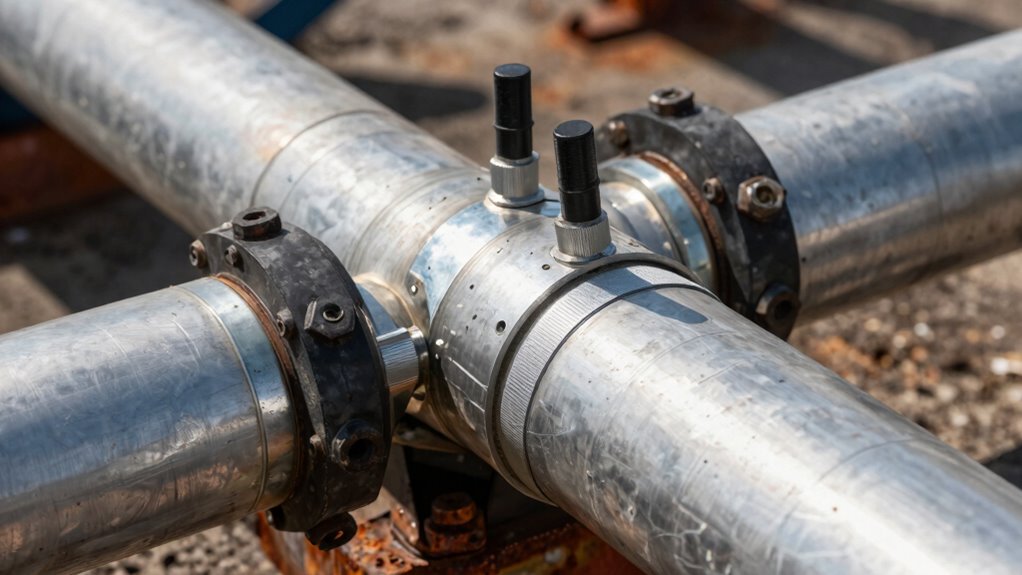
Galvanic corrosion occurs when two different metals are in electrical contact in the presence of an electrolyte, such as water or moisture. This process involves electrochemical reactions that transfer electrons from one metal to another, creating a corrosion cell. As a result, one metal acts as the anode and degrades faster, while the other acts as the cathode. This electrochemical process leads to material degradation, weakening structures and causing damage over time. Understanding why galvanic corrosion happens is essential because it helps you identify vulnerable metal pairings and prevent costly failures. Without proper measures, these electrochemical interactions can accelerate deterioration, reducing the lifespan of metal components and increasing maintenance expenses. Recognizing the significance of galvanic corrosion allows you to implement effective prevention strategies. Additionally, selecting compatible metals and using isolators can significantly reduce corrosion risk, and extending the durability of metal assemblies. Proper metal pairing is crucial for long-term corrosion prevention, especially in environments prone to moisture. Being aware of electrochemical reactions can further aid in designing corrosion-resistant systems.

EverCrystal Zinc Anode for Saltwater Pools, Corrosion Protection
- Corrosion Protection: Prevents rust in pool equipment
- Inspection Window: Monitor anode wear easily
- Heavy-Duty Zinc Anode: Lasts 3-5 years with seals included
As an affiliate, we earn on qualifying purchases.
As an affiliate, we earn on qualifying purchases.
What Causes Galvanic Corrosion and How Can You Recognize It?
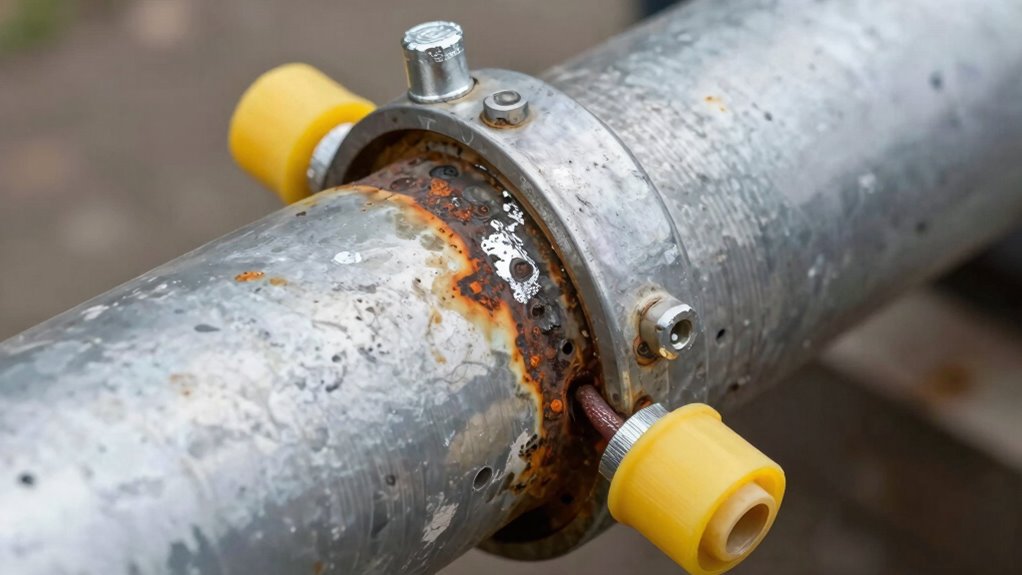
Understanding what causes galvanic corrosion is key to preventing it. It occurs when two different metals or conductive materials come into contact in the presence of an electrolyte, creating a galvanic cell. This process leads to material degradation of the more anodic metal, often indicated by corrosion indicators like pitting, rust, or discoloration. Recognizing these signs early helps you identify ongoing corrosion before significant damage occurs. Factors such as moisture, electrical contact, and the choice of incompatible materials accelerate the process. Paying attention to corrosion indicators can help you determine if galvanic corrosion is happening. Additionally, the power of electric bikes highlights the importance of proper material selection and insulation in electrical systems. Being aware of these causes allows you to take proactive steps, such as improving insulation or selecting compatible materials, to minimize material degradation and extend your equipment’s lifespan. Using appropriate bonding techniques can also help distribute electrical currents evenly and reduce corrosion risks. Proper material selection is essential to avoid creating galvanic cells, especially in environments prone to moisture or electrical contact. Understanding the influence of electrolyte conductivity can further aid in designing corrosion-resistant systems.
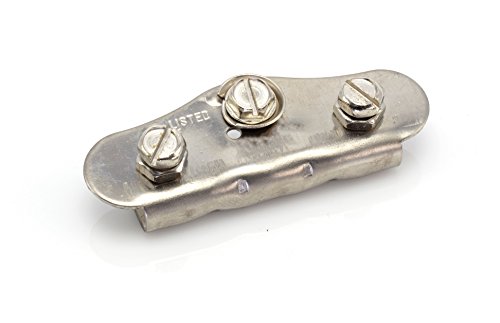
THE CIMPLE CO Meter Box Ground Clamps for Electrical Meter Panels, Pans, and Boxes – Bonding and Grounding Clamps for Homes, Antennas, CATV, Cable TV, Satellite Dish – UL Listed, 4 Pack
- Secure bonding connection: Connects copper wire to meter frame
- Non-intrusive design: Fixed contact without opening meter cover
- Reliable grounding: Sturdy, electrically resistant connections
As an affiliate, we earn on qualifying purchases.
As an affiliate, we earn on qualifying purchases.
How Can Bonding and Proper Material Selection Prevent Corrosion?
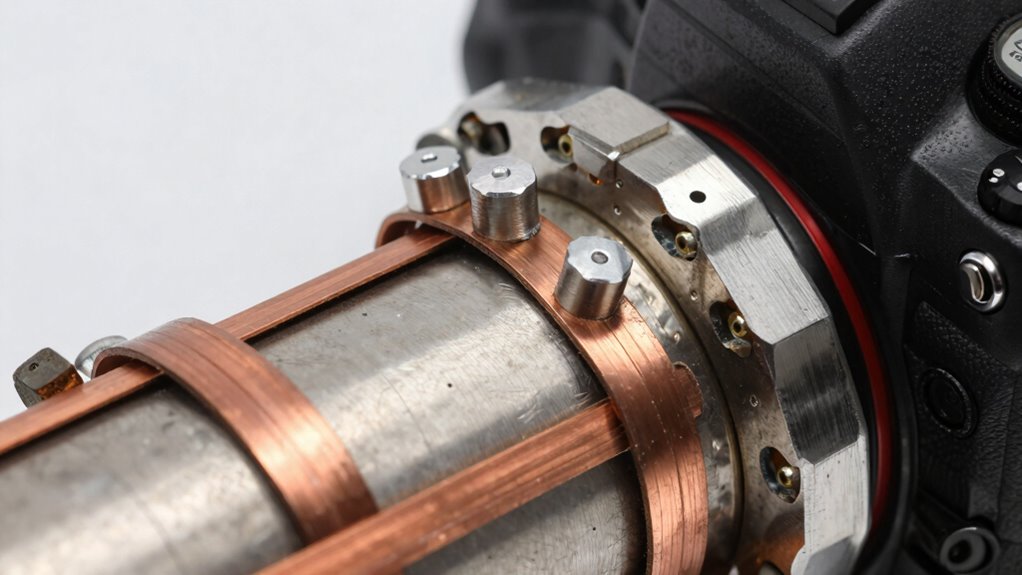
Choosing compatible materials and using effective bonding techniques can substantially reduce galvanic corrosion. When you select materials wisely, you prevent harmful electrical currents from forming between dissimilar metals. Proper bonding ensures a secure connection, further protecting your equipment from corrosion damage. Additionally, understanding digital content formats can aid in designing more resilient systems that resist corrosion-related failures. Incorporating metal compatibility knowledge helps select materials less prone to galvanic interactions, enhancing overall system durability. Being aware of electrical grounding practices also plays a crucial role in minimizing corrosion risks and ensuring system longevity. Implementing corrosion-resistant coatings can provide an extra layer of protection against environmental factors that accelerate galvanic processes. Furthermore, considering environmental conditions is essential for selecting appropriate materials and protective measures.
Material Compatibility Strategies
Selecting compatible materials is crucial for preventing galvanic corrosion, as it helps guarantee that dissimilar metals don’t create harmful electrical currents when in contact with each other. You should focus on coating selection to provide an insulating barrier that minimizes direct metal contact and reduces corrosion risk. Environmental considerations also play a key role; in harsh conditions like saltwater or high humidity, choosing materials resistant to environmental stressors helps maintain longevity. When selecting materials, consider their electrochemical properties alongside environmental factors to prevent unintended galvanic activity. Proper material compatibility ensures that metals won’t generate damaging currents, especially when combined with suitable coatings. Additionally, understanding material compatibility can guide you in choosing metals less prone to galvanic reactions. By carefully matching materials and accounting for environmental conditions, you create a more reliable system that resists galvanic corrosion over time. Incorporating material compatibility strategies into your design process further enhances the durability of your system.
Effective Bonding Techniques
Effective bonding techniques play a vital role in preventing galvanic corrosion by guaranteeing a secure and stable connection between dissimilar metals. Proper bonding minimizes electrical resistance, reducing the risk of corrosion caused by potential differences. When applying coatings, verify they are compatible with the bonding materials to avoid weak spots that can lead to corrosion. Environmental factors like moisture, temperature, and exposure to chemicals influence bonding effectiveness, so selecting materials resistant to these conditions is essential. Using high-quality connectors and ensuring thorough surface preparation improve bond integrity. Proper bonding not only provides a reliable electrical connection but also creates a barrier against corrosive agents, especially in challenging coating applications. Additionally, selecting corrosion-resistant materials enhances long-term protection against galvanic reactions. Incorporating appropriate material compatibility assessments ensures that all components work harmoniously to prevent electrochemical reactions. Regular inspection and maintenance of bonded areas further reduce corrosion risk, ensuring the longevity of your metal components. Implementing these practices can also help mitigate the effects of electrochemical processes that accelerate corrosion. Ultimately, effective bonding protects your metals from galvanic reactions, extending their lifespan.

Victron Galvanic Isolator VDI-64 A
- Corrosion Protection: Prevents electrolytic corrosion of metal parts
- Shore Power Compatibility: Designed for marine shore power systems
- High Capacity: 64A galvanic isolator for robust protection
As an affiliate, we earn on qualifying purchases.
As an affiliate, we earn on qualifying purchases.
How Do Sacrificial Anodes and Isolators Protect Metal Structures?
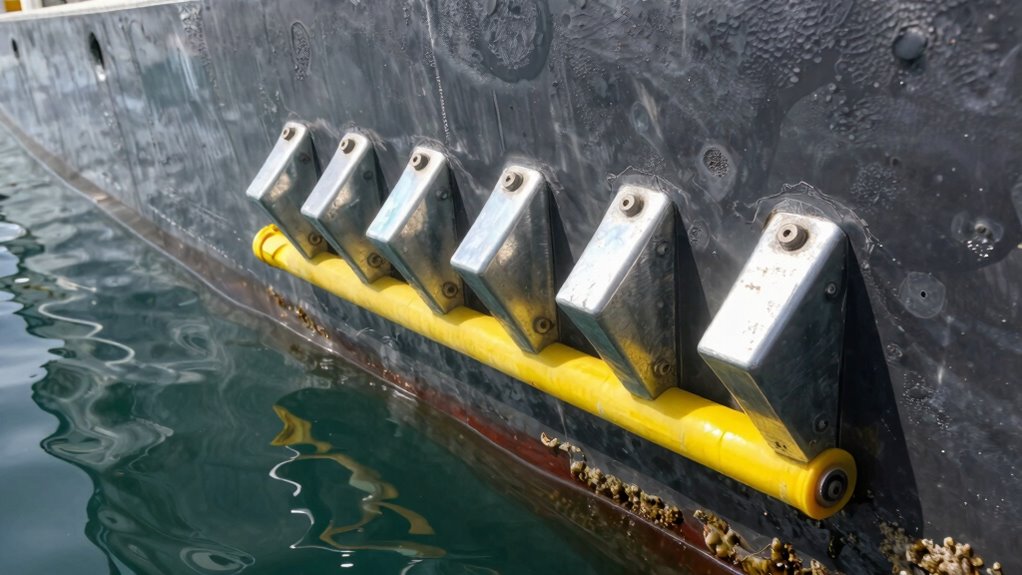
Sacrificial anodes protect your metal structures by corroding first, sparing the main metal from damage. To work effectively, they must be compatible within the galvanic series, ensuring they corrode preferentially. Proper industry knowledge helps optimize the selection and application of these corrosion prevention methods. Additionally, understanding the support networks for new fathers can assist in maintaining mental well-being during installation and maintenance processes. Recognizing the importance of material compatibility is essential to prevent unintended electrochemical reactions. Using proper application techniques ensures the longevity and effectiveness of the protective measures. Isolators also play a key role by preventing electrical contact, reducing galvanic flow and corrosion risk. Selecting appropriate body jewelry materials can further prevent corrosion issues in sensitive environments.
Sacrificial Anode Functionality
Sacrificial anodes protect metal structures by intentionally corroding before the protected metal does, a process known as cathodic protection. When you select a sacrificial anode, material choice is vital; it must be more anodic than the metal you’re protecting. Common materials like zinc, magnesium, or aluminum are selected based on the environment and the specific application. As the anode corrodes, it releases electrons that neutralize the corrosive elements attacking your metal structure. This controlled corrosion sacrifices the anode, preserving the integrity of the protected metal. Proper material selection guarantees the anode’s longevity and effectiveness, maintaining a steady flow of protection. This process provides a reliable, maintenance-free way to extend the lifespan of your metal assets against galvanic corrosion.
Galvanic Series Compatibility
Understanding galvanic series compatibility is essential because it determines how well sacrificial anodes and isolators protect your metal structures. The galvanic series ranks metals by their electrochemical potential, guiding material compatibility choices. When selecting anode materials, confirm they are more anodic than the protected metal, promoting a galvanic reaction that sacrifices the anode instead of your structure. Using incompatible materials can cause unintended corrosion or ineffective protection. Here’s a quick comparison:
| Metal/Material | Position in Galvanic Series | Compatibility Notes |
|---|---|---|
| Zinc | More anodic | Ideal for steel protection |
| Steel | Less anodic | Should be protected by zinc or aluminum |
| Aluminum | Slightly more anodic | Suitable with compatible isolators |
| Copper | Less anodic | Not recommended with zinc anodes |
This table highlights the importance of material compatibility and galvanic series awareness for effective corrosion prevention. Additionally, understanding the electrochemical potential of metals helps in selecting appropriate materials for long-term durability.
Isolator Effectiveness and Use
Isolators and sacrificial anodes work together to protect your metal structures by disrupting electrical pathways that lead to corrosion. Proper isolator installation guarantees that dissimilar metals remain electrically isolated, preventing galvanic currents. To maximize effectiveness, you should conduct material testing before selecting and installing isolators, confirming compatibility with your specific metals. Isolators act as barriers, stopping the flow of corrosive currents, while sacrificial anodes provide a dedicated site for corrosion, sparing your main structure. Regular inspection and maintenance of isolators are essential to sustain their protective qualities. When installed correctly and tested thoroughly, isolators reliably reduce galvanic corrosion, extending the lifespan of your metal components and maintaining structural integrity over time. Material testing ensures optimal protection and compatibility for your specific application.
What Are Common Problems in Galvanic Protection and How Do You Fix Them?
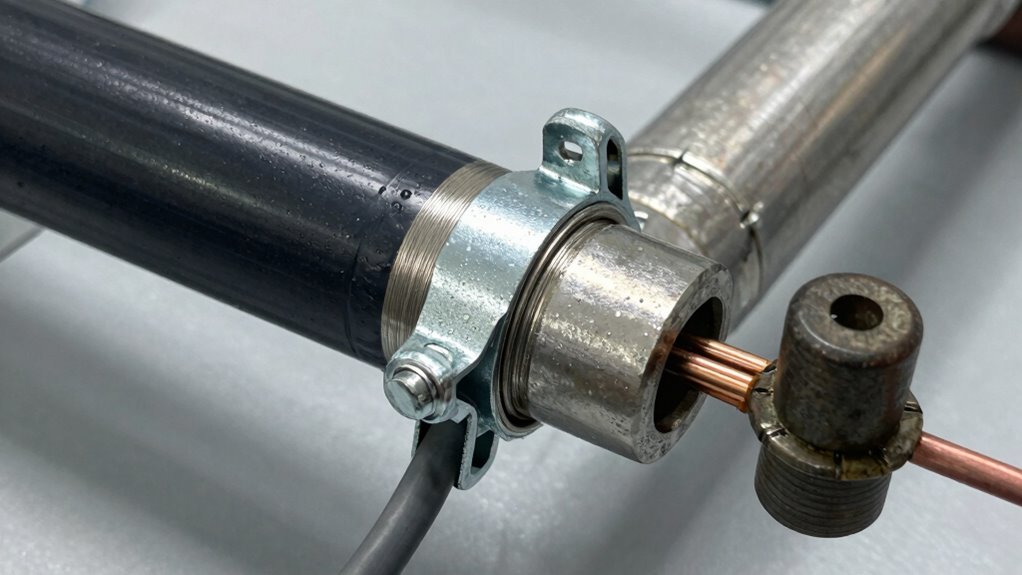
One common challenge in galvanic protection is that it may not work effectively if the metal connections aren’t properly designed or maintained. Poor coating application can expose areas to corrosive elements, while environmental factors like moisture and temperature accelerate deterioration. Here are key problems and fixes:
- Inadequate bonding — Ensure proper bonding to create a continuous electrical path. Proper bonding practices are essential for effective galvanic protection. Using proper bonding techniques can significantly improve system performance.
- Corrosion of sacrificial anodes — Regularly inspect and replace anodes before they fail. Using appropriate materials for anodes can also improve longevity.
- Poor isolator placement — Use isolators correctly to prevent unintended electrical contact.
- Neglecting environmental factors — Adjust protection strategies considering local conditions like humidity or salt exposure.
- Ignoring regional flavors and environmental influences — Consider regional climate factors and local conditions when designing protection systems to enhance effectiveness.
Address these issues to optimize galvanic protection and extend your metal’s lifespan.
How to Maintain Long-Term Galvanic Corrosion Prevention?

Maintaining long-term galvanic corrosion prevention requires ongoing vigilance and proactive measures. Regular coating maintenance is essential to protect surfaces from moisture and environmental factors that accelerate corrosion. You should inspect coating integrity periodically and reapply protective layers when signs of wear appear. Environmental factors like humidity, salt exposure, and temperature fluctuations can compromise your defenses, so monitor these conditions regularly. To keep corrosion at bay, consider using isolators and ensuring bonding systems remain intact. Here’s a quick overview:
| Action | Purpose | Frequency |
|---|---|---|
| Inspect coatings | Prevent moisture ingress | Every 6-12 months |
| Monitor environmental factors | Identify conditions that promote corrosion | Quarterly |
| Check bonding and isolators | Maintain electrical continuity | Annually |
Stay vigilant, and adapt your maintenance routine to environmental changes for long-term protection.
Frequently Asked Questions
How Do Environmental Factors Influence the Effectiveness of Galvanic Corrosion Prevention Methods?
Environmental variability greatly impacts how well galvanic corrosion prevention methods work. Changes in moisture, temperature, and salinity can increase the corrosion rate, making your protective measures less effective over time. You need to account for these factors by choosing appropriate materials and maintenance routines. Staying vigilant about environmental conditions helps ensure your bonding, anodes, and isolators continue to prevent galvanic corrosion effectively.
Are There Specific Industries or Applications Where Galvanic Corrosion Prevention Is Most Critical?
You’ll find galvanic corrosion prevention most critical in industries like aerospace and marine applications. In aerospace, coatings protect aluminum and other metals from corrosion, ensuring safety and longevity. Marine environments, with their salty water, make insulation and sacrificial anodes crucial to prevent metal deterioration on ships and offshore structures. Ignoring these measures can lead to costly failures, so prioritizing galvanic corrosion prevention here is essential for durability and safety.
What New Technologies Are Being Developed to Improve Galvanic Corrosion Protection?
You should know that new technologies like nanotechnology coatings are enhancing galvanic corrosion protection by providing ultra-thin, durable barriers that resist corrosion more effectively. Additionally, smart sensor integration allows you to monitor corrosion in real-time, enabling proactive maintenance. These innovations help you extend the lifespan of your assets, reduce costs, and improve safety by offering more precise, responsive protection against galvanic corrosion in various industries.
How Can Inspection and Monitoring Be Integrated Into Corrosion Prevention Strategies?
You can integrate inspection and monitoring into your corrosion prevention strategies by using sensor integration and remote monitoring systems. These technologies allow you to continuously track corrosion indicators, such as potential differences and current flows, in real-time. By setting up automated alerts, you’ll promptly detect early signs of galvanic corrosion, enabling swift maintenance actions. This proactive approach reduces damage, extends equipment lifespan, and guarantees your systems stay protected effectively.
What Are the Cost Implications of Different Galvanic Corrosion Prevention Techniques?
Think of your budget as a ship’s anchor—stability is key. Cost comparison shows that bonding and isolators are more affordable upfront, but anodes may cost more initially. However, neglecting prevention can lead to costly repairs later. Balancing your budget considerations with long-term savings is essential. Investing wisely now ensures your vessel stays afloat, avoiding the storm of expensive corrosion repairs down the line.
Conclusion
To effectively prevent galvanic corrosion, you need to understand its causes and apply proper measures like bonding, material selection, and sacrificial anodes. For example, in a coastal bridge project, installing zinc anodes and using compatible metals extended the structure’s lifespan considerably. Regular maintenance and monitoring ensure long-term protection. By staying proactive and informed, you can protect your metal assets from costly damage and ensure their durability for years to come.