TL;DR
The Spanish Football Federation has suspended Andorra goalkeeper Jesus Owono for 12 matches after his collision with Tenerife striker Jesus de Miguel during a second-division match. De Miguel died in hospital the following day; a judicial investigation into his death remains open, and the ban is a sporting sanction, not a finding of criminal responsibility.
Andorra goalkeeper Jesus Owono has been suspended for 12 matches by the Spanish Football Federation after colliding with Tenerife striker Jesus de Miguel, who died in hospital on November 3. The disciplinary decision follows the incident in a Spanish second-division game and is separate from a judicial investigation into De Miguel’s death.

Get sports gear delivered free with Prime
- Fast, free delivery on millions of items
- Prime Video, Amazon Music and more included
- Member-only deals all year
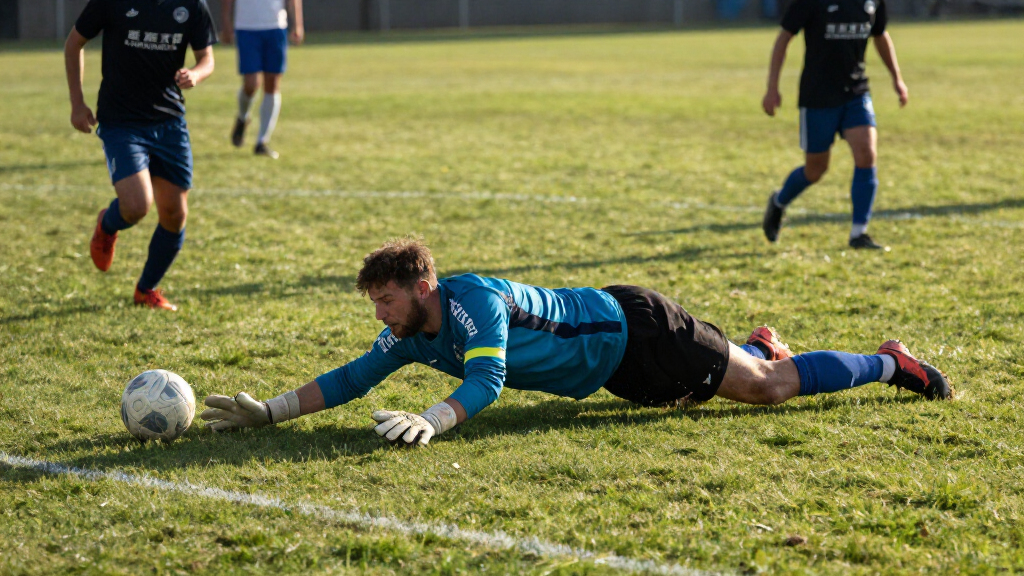
The collision happened during a match between Andorra and Tenerife on the night of November 2. Owono, 25, came off his line to contest a high ball with De Miguel, 30. The goalkeeper was shown a straight red card, and the match was abandoned in the sixth minute of second-half stoppage time. De Miguel was taken to hospital and died the next day.
The federation’s disciplinary committee imposed the maximum 12-match suspension available under article 102 of its regulations. The provision covers violent conduct during play that results in serious harm or injury and allows bans ranging from four to 12 matches. Owono was also fined €600, while Andorra was fined €2,400.
Referee Manuel Angel Perez Hernandez’s report described the challenge as “a reckless challenge with his leg raised, using excessive force against an opponent whilst the ball was in play.” The federation relied on the match report in applying article 102. That sporting ruling does not, by itself, determine whether anyone bears criminal responsibility for De Miguel’s death.
A Maximum Ban for Andorra’s Goalkeeper
The suspension removes Owono from 12 matches, a substantial sporting consequence for Andorra, while the case has drawn attention well beyond the club because a player died after an on-field collision. The decision also sets out how the federation classified the incident: its committee applied a rule for serious harm arising from violent conduct during play.
The distinction between disciplinary and judicial processes matters. A football sanction addresses conduct under the sport’s regulations; it is not a criminal judgment and does not settle the cause of death or any questions about events after the collision. Those matters remain for the authorities conducting the investigation.
Popular right now

Roborock Q7 M5+ Robot Vacuum and Mop

TCL 55-Inch T7 Series 4K QLED Smart Google TV (55T7)

De'Longhi Classic Signature Espresso Machine with Adjustable Milk Frother
As an affiliate, we earn on qualifying purchases.
How the Match and Investigation Unfolded
After the collision, Owono and players from both teams went to check on De Miguel, who appeared motionless and was taken to hospital. The referee’s report said the officials withdrew to the dressing rooms because of the seriousness of the situation and the lack of improvement in De Miguel’s condition. After speaking with captains and team representatives, officials were told the players were not in the right frame of mind to continue. The fixture was then called off by mutual agreement.
The Canary Islands High Court of Justice said a judicial investigation had been opened under the standard procedure for a death without a clear natural cause. Court No. 2 of the Investigative Section of the Court of First Instance in Santa Cruz de Tenerife is handling the matter, with police inquiries to be submitted to the court. Opening an investigation does not automatically mean criminal proceedings will follow.
In a public statement shared by Andorra earlier this month, Owono expressed grief over De Miguel’s death and said he would face matters to come with respect. The report also said teams across Europe held minutes of silence in De Miguel’s memory.
“These have been the hardest days of my life. I’m struggling to find the words and find it very difficult to come to terms with anything that has happened. I feel immense grief at the loss of Jesus.”
— Jesus Owono, in a statement shared by Andorra
Cause of Death Still Under Review
The judicial investigation is intended to establish the circumstances and cause of De Miguel’s death. Police are expected to submit their findings to the court after completing their inquiries. Spanish media reports, as cited by The Athletic, said investigators were also examining the medical response after the collision; the report said there had been no suggestion that the care was substandard.
The available information does not establish whether criminal proceedings will be opened. The prosecutor described that prospect as very unlikely, but that comment is not a final judicial decision. The federation’s ban also does not resolve any legal questions raised by the death.
Police Findings Will Go to Court
Police are continuing their inquiries in coordination with judicial authorities in Tenerife and are expected to send a report to the court once they are complete. Any decision about further legal steps will depend on the findings and the court process; no criminal case has been confirmed in the material reported so far.
On the sporting side, Owono will serve the 12-match suspension imposed by the federation. The source report does not specify the date of his first suspended match, whether the decision can be appealed, or how the ban will affect Andorra’s schedule. Those details remain unconfirmed.
Key Questions
How long is Jesus Owono suspended for?
The Spanish Football Federation suspended him for 12 matches, the maximum available under the rule applied in this case.
What happened to Jesus de Miguel?
The Tenerife striker collided with Owono during a match on November 2, was taken to hospital and died on November 3.
Why did the federation impose the ban?
The disciplinary committee applied article 102, which covers violent conduct during play resulting in serious harm or injury. The referee’s report described Owono’s challenge as reckless and involving excessive force.
Does the suspension mean Owono has been found criminally responsible?
No. The ban is a football disciplinary ruling. A separate judicial investigation is underway, and the reported information does not confirm that criminal proceedings will follow.
What happens next in the investigation?
Police are investigating in coordination with judicial authorities and are expected to submit their report to the court when their inquiries are complete. Further legal steps have not been confirmed.
Source: nytimes.com