Choosing the right marine wiring gauge is essential for safety, preventing overheating, and resisting corrosion. To do this, you need to calculate your electrical loads, consider circuit lengths, and select a wire size that handles the ampacity with minimal voltage drop. Proper insulation, ventilation, and protective coatings help manage heat buildup and block moisture. Keeping an eye on signs of corrosion and maintaining your wiring ensures your boat stays safe and reliable—discover more tips ahead.
Key Takeaways
- Choose the correct wire gauge based on load, circuit length, and voltage drop to ensure safety and efficiency.
- Proper ventilation, insulation, and secure connections prevent heat buildup and reduce fire risk.
- Regular inspections and maintenance help identify corrosion signs early and prevent electrical failures.
- Use marine-rated materials, coatings, and sealants to protect wiring from saltwater and environmental damage.
- Proper labeling and adherence to wiring standards simplify troubleshooting and enhance overall system safety.

IPX7 Waterproof Battery Monitor with Bracket 7-100V,12v 24v 36v 48v 60v 72v Digital Display Battery Capacity Remaining Capacity Percentage Tester with Buzzer Alarm and Temperature
APPLICATION --- The battery testers can be used for testing battery voltage and capacity for electric motorcycle, motorcycle,golf...
As an affiliate, we earn on qualifying purchases.
Why Choosing the Right Marine Wiring Gauge Is Critical for Safety
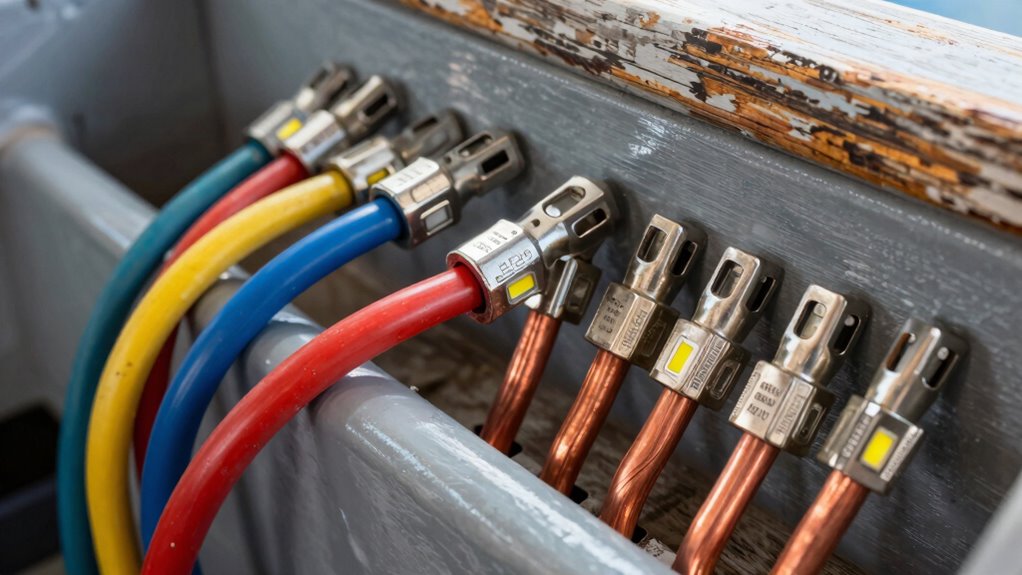
Choosing the correct marine wiring gauge is essential because it directly affects the safety and reliability of your boat’s electrical system. Proper wire gauge selection helps prevent overheating, which can lead to fires or electrical failures. Using too thin wire can cause excessive heat buildup, risking damage to your boat’s components and compromising marine wiring safety. Conversely, using too thick wire might be unnecessary and more costly, but it still ensures safer operation. When you select the right gauge, you reduce the chances of voltage drops and electrical issues, keeping your boat’s systems running smoothly. Additionally, understanding wire gauge standards helps ensure you make the best choice for your specific marine application. Properly rated wiring also minimizes corrosion risks, which is vital in marine environments prone to moisture and salt exposure. Being aware of marine environmental conditions enables you to choose wiring that withstands the unique challenges of the water. Considering marine wiring regulations ensures compliance with safety standards and best practices. Selecting the appropriate wire gauge is also crucial because it affects heat dissipation, helping to prevent dangerous overheating in your electrical system. Prioritizing correct wire gauge is a simple but crucial step to ensure your marine wiring system remains safe, durable, and reliable during your time on the water.
BINTA 0-50A Small Battery Monitor Shunt Voltmeter Ammeter for Lifepo4 Lithium, Backlight Waterproof Battery Meter for Auto Car RV Motorhome Golf Cart Portable Power Systems
【Clear TFT Color Screen】The battery meter features a high-definition TFT color display that delivers sharp and soft visuals,...
As an affiliate, we earn on qualifying purchases.
How to Determine the Correct Wire Size for Your Boat’s Electrical Loads
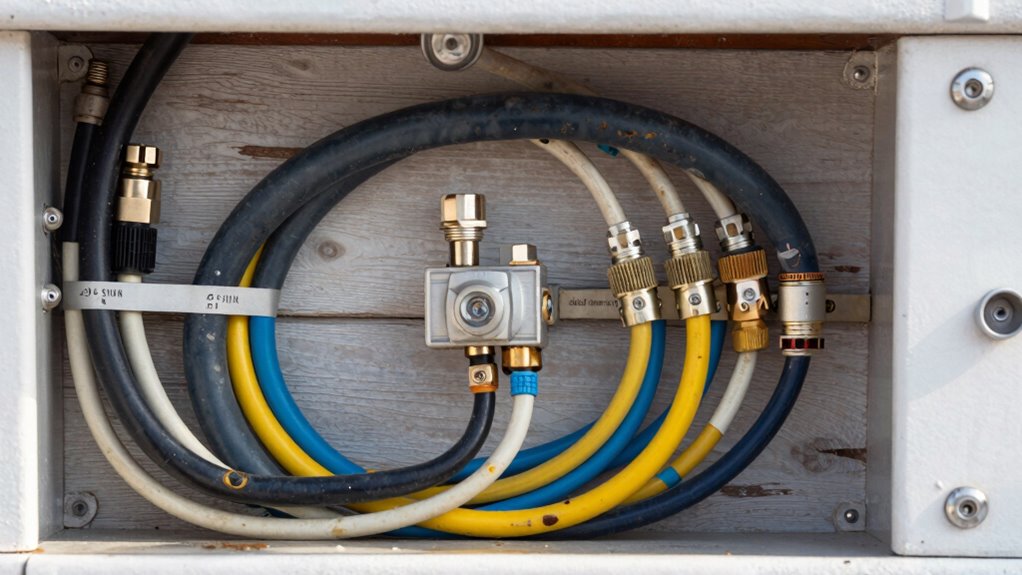
To choose the right wire size, you need to calculate your electrical loads’ ampacity requirements accurately. Keep in mind that longer cable runs may require thicker wire to prevent voltage drops. Additionally, considering the use of free floating wiring methods can help reduce the risk of corrosion and improve overall durability. Properly sizing your wiring ensures safe operation and prevents potential electrical failures. Using the appropriate wire gauge based on your calculations is essential for maintaining safe and efficient electrical performance on your boat. Understanding the different gauge options and their respective current-carrying capacities helps you make informed decisions for your wiring needs. Familiarity with cable ratings and selecting the correct wire gauge can significantly enhance safety and reliability. By understanding these factors, you can select the appropriate gauge for safe and reliable boat wiring.
Calculating Ampacity Needs
Determining the right wire size for your boat’s electrical loads is vital to guarantee safety and reliable performance. To do this, you need to calculate the ampacity, or the maximum current a wire can safely carry. Start by adding up the total amps your devices draw. Then, select a wire gauge with an ampacity rating higher than this total. Use marine wire color to identify circuits easily and guarantee proper connections. Proper electrical connectors are essential for secure, corrosion-resistant joints. Additionally, considering the bucolic beauty of Saratoga Springs, including natural surroundings and environment, can be important when selecting materials that resist corrosion and heat.
Considering Distance Impacts
Since longer wire runs increase resistance, it’s essential to account for distance when sizing your boat’s wiring. As the length grows, voltage drops can occur, reducing the effectiveness of marine lighting and weakening battery connections. To guarantee your system functions reliably, you need to select a thicker gauge wire for these extended runs. This electrical principle helps minimize voltage loss and prevents overheating. For example, if your marine lighting is far from your battery, upgrading to a larger gauge wire helps maintain proper voltage levels at the lights. Similarly, longer battery connections require thicker wiring to ensure efficient power transfer. Always measure your wire runs carefully and consider the total circuit length when planning your wiring setup to ensure safe, reliable performance across all electrical components. Paying attention to wire sizing standards will further help you select the appropriate gauge for your specific needs. Additionally, understanding current capacity is vital to prevent overloading the wiring system and ensuring safety.
Selecting Appropriate Gauge
Choosing the right wire gauge is crucial to guarantee your boat’s electrical system operates safely and efficiently. To do this, you need to assess your load requirements and the distance the current travels. Avoid wire gauge misconceptions, such as assuming thicker wire is always better; over-gauging can be unnecessary and costly. Follow color coding standards to identify wire sizes quickly and prevent errors during installation. When selecting gauge, picture:
- A thin wire humming with minimal current, suitable for small devices
- Thick wire powering high-current accessories with ease
- A tangled mess of wires if gauges don’t match load needs
- Clear color-coded insulation indicating wire size at a glance
- A neat, organized bundle ensuring safety and reliable performance
Accurate gauge choice keeps your system safe, reduces heat, and prevents corrosion.

DROK Waterproof Battery Meter 8-100V, Battery Monitor 12V 24V 36V 48V 72V, Capacity Tester LCD Display Color Screen Backlight, Fit for Car Golf Cart RV Marine
【Convenient】DROK batter meter can measure and display battery voltage, capacity, remaining battery capacity percentage with upgraded bigger screen....
As an affiliate, we earn on qualifying purchases.
What Causes Heat Buildup in Marine Wiring and Why It Matters
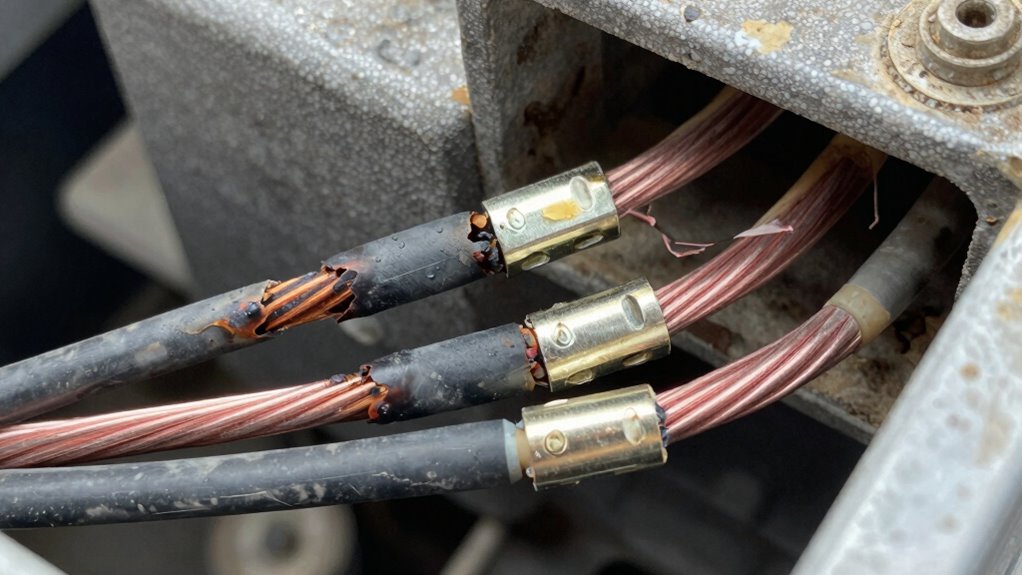
Heat buildup in marine wiring primarily occurs when electrical current encounters resistance as it flows through the wires. Poor connections, undersized wiring, or damaged insulation increase resistance, causing heat to accumulate. Understanding wiring terms can help you identify potential issues early. Additionally, inadequate wire management practices can lead to tangled or improperly secured wiring, further increasing resistance and heat generation. Incorrect circuit breaker placement can also contribute, as it may delay shutting off power during overloads, allowing heat to build further. Using proper wiring color codes helps you identify circuits quickly, ensuring correct connections and reducing the risk of shorts that generate heat. Over time, excessive heat can damage insulation, degrade wiring, and even lead to fires. Recognizing the causes of heat buildup is vital because it impacts safety and system reliability. Proper wiring practices, including correct circuit breaker placement and adherence to wiring color codes, help prevent heat-related issues and protect your marine electrical system. Proper wiring practices can significantly reduce the risk of heat accumulation and enhance overall safety. Additionally, understanding the importance of appliance maintenance plans can help in maintaining the integrity of electrical systems onboard.

LNEX 500A Shunt Battery Monitor, 2.4" Color Screen RV Monitor with 16ft Shielded Wire, Support High Low Voltage Programmable Alarm for 8-100V Lifepo4, Lithium Sealed, Gel, Flooded Battery
More Accurate,No Data Lost:Upgraded shunt battery monitor equipped with high precision current detector which provides more accurate real-time...
As an affiliate, we earn on qualifying purchases.
How to Prevent Overheating and Protect Your Wiring System
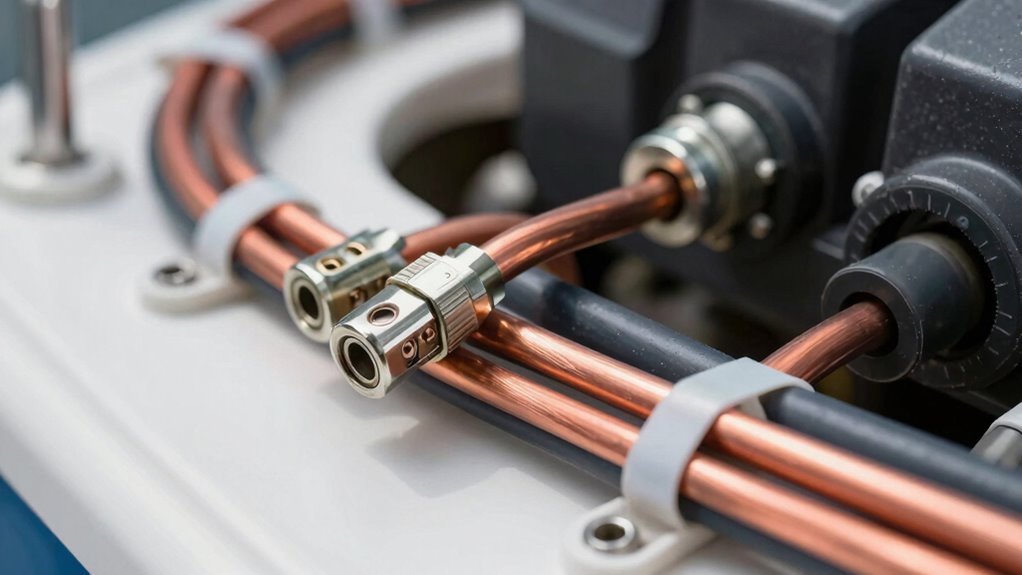
To keep your wiring system safe, you need proper ventilation to allow heat to escape. Using high-quality insulation also helps prevent overheating and electrical faults. By combining these techniques, you can safeguard your wiring from damage and ensure reliable performance. Additionally, regular inspections can identify potential issues before they lead to overheating or corrosion electric fireplace safety. Ensuring your wiring is appropriately rated for your specific application is also essential to prevent system failures caused by overloading or incorrect gauge usage. Proper installation practices further contribute to keeping your wiring safe and functional over time, especially when considering protective measures that minimize exposure to environmental hazards. Incorporating proper gauge wiring can significantly reduce the risk of overheating and improve overall system reliability.
Proper Ventilation Techniques
Ensuring proper ventilation is essential to prevent your wiring system from overheating and failing. Good ventilation airflow helps dissipate heat and maintains ideal operating temperatures. To achieve this, consider these techniques:
- Install vents or louvers to promote continuous airflow
- Use fans to actively circulate air around wiring compartments
- Keep vents clear of debris and obstructions
- Seal gaps to prevent moisture buildup and improve moisture control
- Position wiring away from direct sunlight or heat sources
Use Quality Insulation
Using quality insulation is essential for preventing your wiring from overheating and ensuring long-term durability. Marine insulation protects your wires from moisture, salt, and temperature fluctuations that can cause damage or short circuits. Choose insulation specifically designed for marine environments, as it withstands harsh conditions better than generic options. Properly labeled wiring with clear wiring labels helps you identify circuits quickly, reducing the risk of incorrect connections that can lead to overheating. Insulation should be snug and free of cracks or gaps, preventing heat buildup and exposure to corrosive elements. Investing in high-quality marine insulation and accurate wiring labels not only prolongs your wiring system’s lifespan but also enhances safety on your vessel.
How Corrosion Affects Marine Wiring and What You Can Do About It
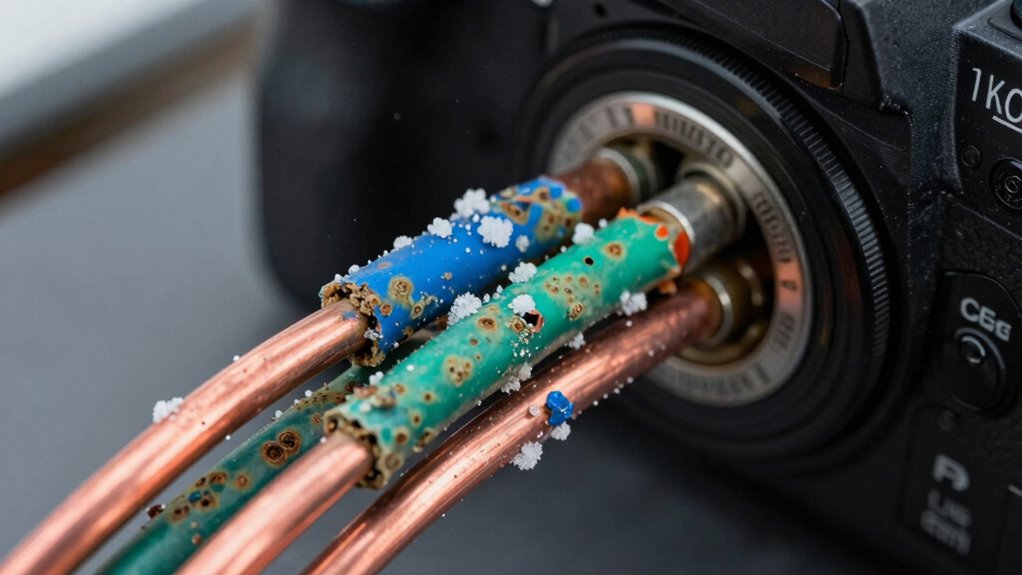
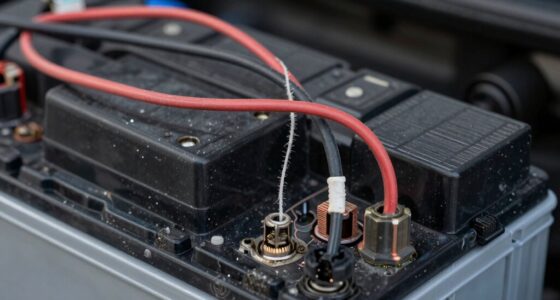
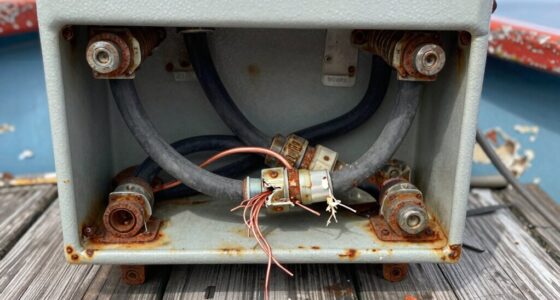
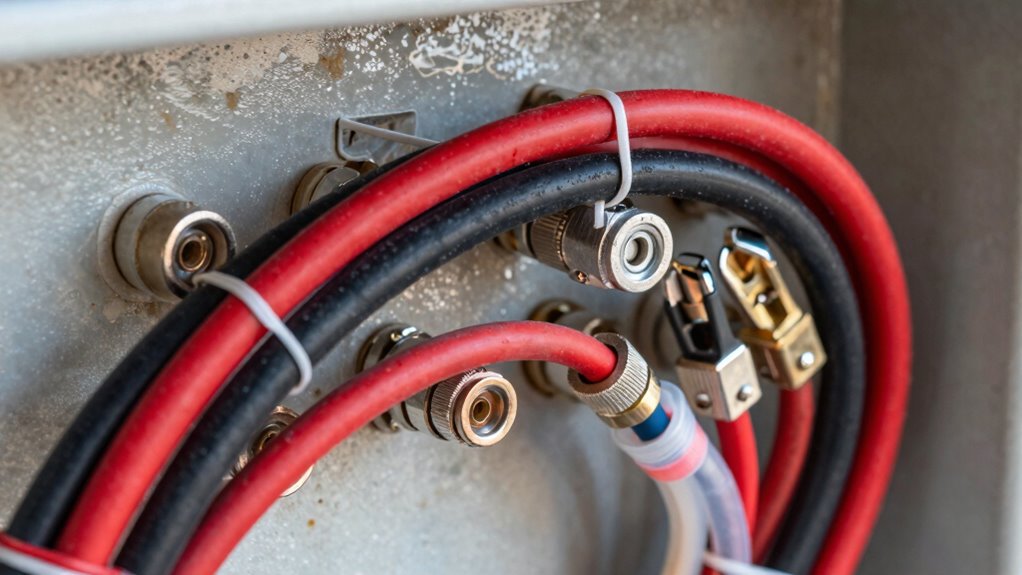
Corrosion is one of the biggest threats to marine wiring, as exposure to saltwater accelerates the deterioration of metal components. This process weakens connections, causes electrical failures, and reduces the lifespan of your wiring. To combat this, you need effective corrosion prevention techniques suited for the marine environment. Imagine salt crystals forming on your wires, pitting metal surfaces, and creating tiny gaps that disrupt electrical flow. Visualize rust creeping along copper strands, compromising conductivity. Think of corrosion as a slow but relentless enemy that eats away at your wiring’s integrity. To prevent this, consider using corrosion-resistant materials, applying protective coatings, and ensuring proper insulation. Staying proactive helps keep your wiring reliable, safe, and functioning smoothly in the harsh marine environment.
Easy Ways to Protect Your Marine Wiring With Coatings and Sealants
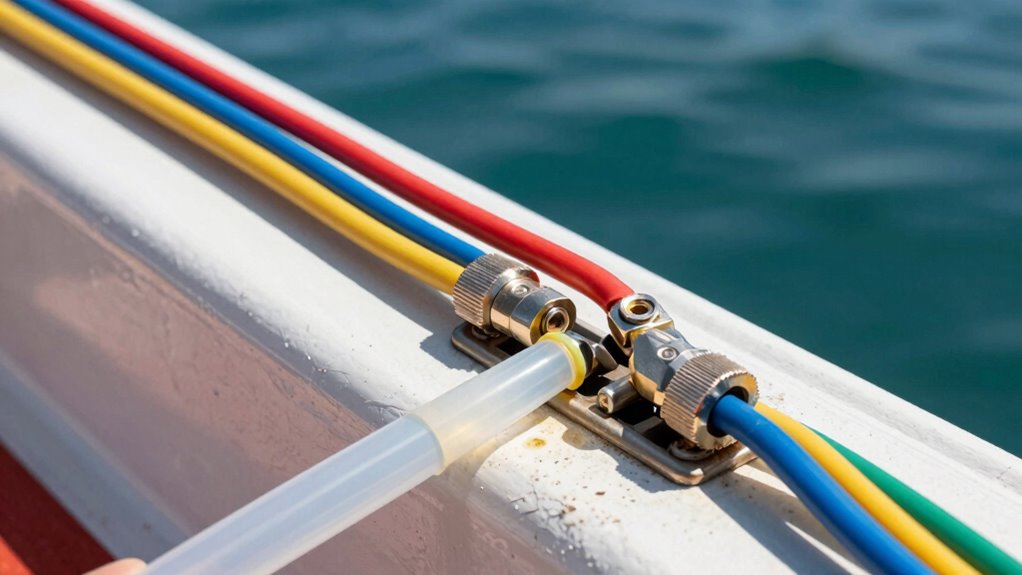
Protecting your marine wiring with coatings and sealants is a straightforward way to prevent corrosion and extend its lifespan. Applying marine coatings creates a barrier against moisture, salt, and other corrosive elements. Sealant application guarantees that connections remain watertight, reducing the risk of water intrusion. Properly coated and sealed wiring stays protected longer, saving you time and money on repairs. Here’s a quick comparison:
| Marine Coatings | Sealant Application |
|---|---|
| Protects against corrosion | Ensures watertight connections |
| Requires proper surface prep | Needs regular inspection |
| Provides a durable barrier | Prevents moisture ingress |
| Suitable for exposed areas | Ideal for joints and connections |
| Extends wiring lifespan | Maintains electrical integrity |
Using both in combination maximizes protection and keeps your wiring in top shape.
How to Spot Signs of Wiring Problems Caused by Heat or Corrosion
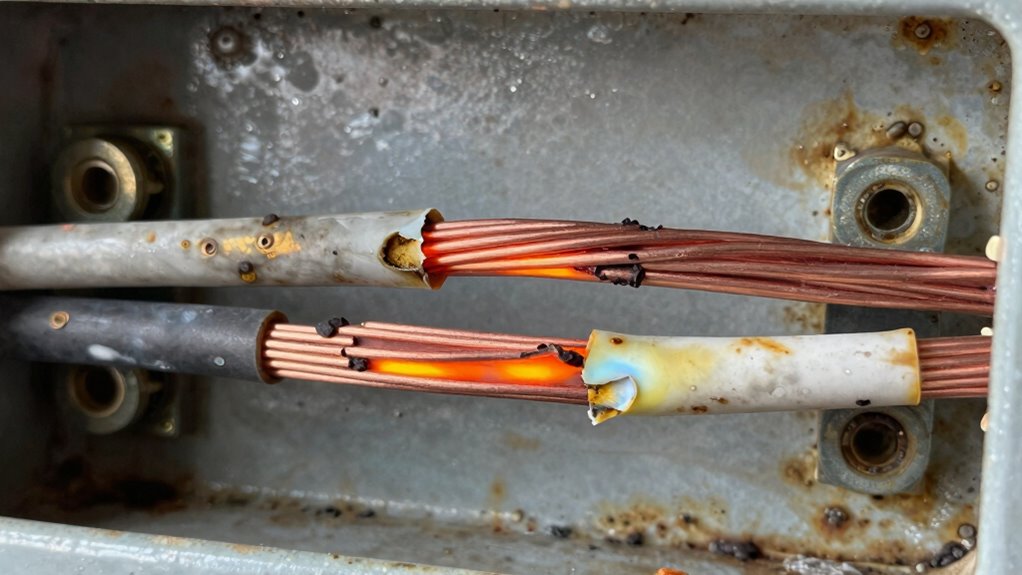
Heat and corrosion can silently damage your marine wiring, but recognizing the signs early can save you from costly repairs. Look for corrosion signs such as greenish or white powdery deposits on terminals and connectors. Heat damage often shows as melted insulation, discoloration, or a burnt smell around wiring. You might also notice:
- Frayed or brittle insulation cracking easily
- Discolored or charred wire sheathing
- Loose or corroded connections that cause flickering gauges
- Unusual heat around junctions or fuse boxes
- Corrosion buildup on terminals or connectors
Simple Maintenance Tips to Keep Your Marine Wiring Safe and Reliable
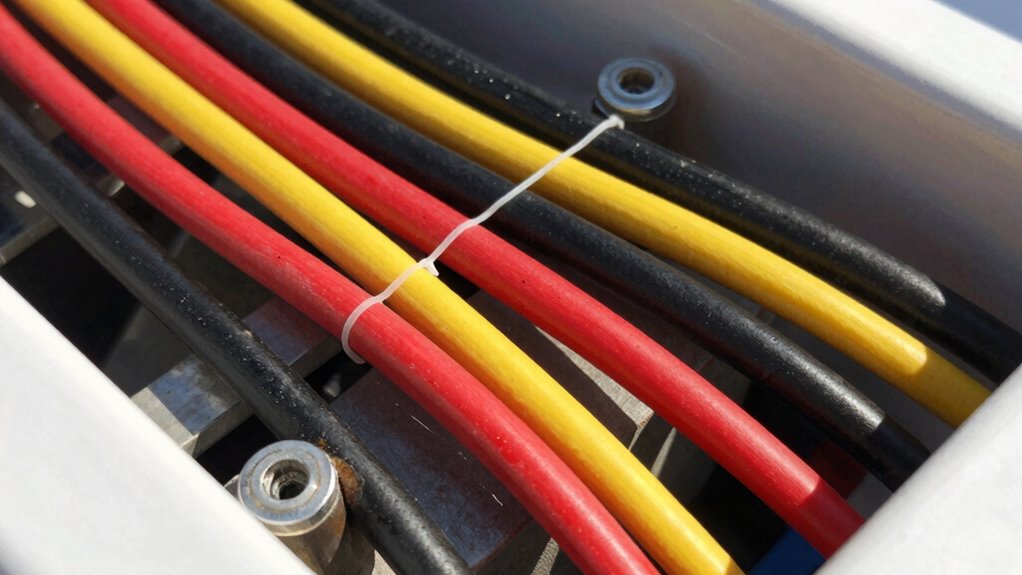
Regular maintenance is essential for guaranteeing your marine wiring remains safe and dependable on the water. Start by inspecting wire routing; ensure wires are secured away from heat sources and moving parts to prevent damage. Keep cables neat and organized, avoiding tangles that can cause abrasion. Label cables clearly so you can quickly identify circuits during troubleshooting or upgrades. Regularly check for corrosion or loose connections and address any issues promptly. Use the table below to guide your maintenance:
| Maintenance Tip | Purpose |
|---|---|
| Check wire routing | Prevent damage from heat and movement |
| Label cables | Simplify troubleshooting and repairs |
| Inspect connections | Avoid loose or corroded contacts |
| Remove corrosion buildup | Maintain electrical integrity |
Consistent upkeep helps guarantee your wiring remains safe, reliable, and easy to service.
Frequently Asked Questions
Can I Upgrade My Marine Wiring Gauge for Better Performance?
Yes, you can upgrade your marine wiring gauge for better performance. Marine wiring upgrades often involve selecting a thicker gauge to reduce voltage drop and handle higher currents more safely. When choosing gauge, consider your current and future power needs, as well as the length of the wire run. Proper gauge selection guarantees your boat’s electrical system operates efficiently, minimizes heat, and prevents corrosion-related issues.
What Are the Best Materials for Marine Wire Insulation?
Imagine your marine cable enduring relentless exposure to salt, sun, and water — the best insulation materials can make all the difference. You should choose marine-grade insulation like PVC, Teflon, or XLPE, which resist heat, moisture, and corrosion. These materials form a protective barrier that keeps electrical connections safe and reliable, even in harsh marine environments. Selecting the right marine cable insulation guarantees your boat’s wiring stays durable and trouble-free.
How Often Should I Inspect My Boat’s Wiring for Corrosion?
You should inspect your boat’s wiring for corrosion at least twice a year, especially before and after heavy use or harsh weather conditions. Regular inspection helps with corrosion prevention by catching early signs of damage. During these checks, look for discoloration, corrosion buildup, and loose connections. Staying proactive with inspection frequency guarantees your wiring remains in top shape, reducing the risk of electrical failures and prolonging your boat’s lifespan.
Are There Eco-Friendly Options for Marine Wiring Coatings?
Yes, you can choose eco-friendly marine wiring coatings made from biodegradable materials and recycled resources. These coatings help protect your wiring from corrosion while minimizing environmental impact. Look for products labeled as biodegradable or made with recycled materials, ensuring they are safe for marine environments. Switching to these options not only preserves nature but also supports sustainable practices, giving you peace of mind while maintaining your boat’s wiring integrity.
How Does Voltage Drop Affect Marine Electrical Systems?
Voltage drop can substantially affect your marine electrical system by reducing voltage stability, which leads to inconsistent power delivery. This causes your equipment to work harder or malfunction, decreasing overall power efficiency. To prevent this, use properly gauged wiring and keep connections tight. Monitoring voltage levels regularly helps you catch drops early, ensuring your system remains stable and efficient, especially in demanding marine environments.
Conclusion
By choosing the right gauge, preventing heat buildup, and protecting against corrosion, you guarantee your marine wiring stays safe, reliable, and durable. Regularly inspect, maintain, and secure your wiring to avoid costly repairs and safety hazards. Stay vigilant, stay proactive, and keep your boat’s electrical system in top shape. When you prioritize proper wiring practices, you safeguard your journey, your crew, and your peace of mind on every voyage.