To safely charge and place your portable power station on a boat, choose a dry, stable, and elevated spot away from water splashes, open ports, and wet areas. Secure it with marine-grade brackets or straps, ensuring proper ventilation to prevent overheating. Protect it from moisture with waterproof covers, and regularly inspect connections for damage. Following these guidelines helps keep your power station safe and reliable—learn more to optimize your setup and safety on the water.
Key Takeaways
- Mount portable power stations on stable, dry, elevated surfaces using marine-grade brackets and shock-absorbing padding.
- Position away from water sources, splashes, and wet areas to prevent moisture damage and electrical hazards.
- Ensure proper ventilation with unobstructed vents and adequate airflow to prevent overheating and fire risks.
- Use waterproof covers and marine-grade cables, regularly inspecting for damage and secure connections.
- Keep the station accessible for maintenance, emergency shutdowns, and safe operation, following safety standards and protocols.

Jackery Portable Power Station Explorer 300, 293Wh Backup Lithium Battery, Solar Generator for Outdoors Camping Travel Hunting Blackout (Solar Panel Optional)
SPEED UP YOUR RECHARGEABILITY: It takes only 2 hours to recharge 80% battery of the power station through…
As an affiliate, we earn on qualifying purchases.
As an affiliate, we earn on qualifying purchases.
Why Safe Placement Matters for Your Portable Power Station on a Boat

Proper placement of your portable power station on a boat is crucial for safety and efficiency. If you position it correctly, it helps maintain marine safety by reducing the risk of electrical hazards or fires caused by overheating or water exposure. Proper placement also makes boat maintenance easier, allowing quick access for inspections, charging, or troubleshooting. Keep the power station away from high-traffic areas to avoid accidents or damage. Make sure it’s on a stable, dry surface to prevent slipping or water ingress, which could compromise the device and safety. Additionally, understanding electrical safety protocols is essential to prevent accidents and ensure reliable operation onboard. Using proper wiring practices can further minimize risks associated with electrical devices in marine environments. Paying attention to device ventilation is also important to prevent overheating during operation. It’s also beneficial to consider corrosion resistance in the placement to prolong the lifespan of your equipment. Incorporating marine-grade materials into your setup can further protect your power station from the harsh saltwater environment. By paying careful attention to placement, you protect both your equipment and everyone onboard. Ultimately, thoughtful positioning supports safe operation and helps you stay prepared while enjoying your time on the water.
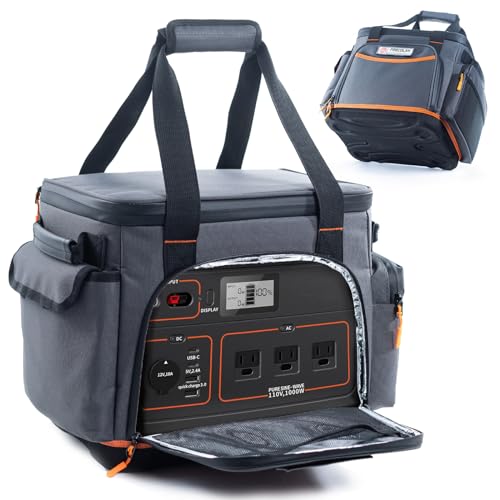
FRECOLSH Travel Carrying Case Compatible with Jackery Explorer 1000, Portable Power Station Storage Case with Water- proof Bottom and Pocket for Jackery Accessories Solar Generator Storage Bag Only
【STURDY & WELL MADE 】Made of sturdy heavy duty polyester and thick pad lining, high-quality Water- proof zipper,…
As an affiliate, we earn on qualifying purchases.
As an affiliate, we earn on qualifying purchases.
How to Choose the Best Location for Your Power Station on Deck or Cabin

Choosing the right spot for your power station on deck or in the cabin is essential for safety and functionality. You want a location that’s dry, well-ventilated, and accessible for maintenance. You consider the regional flavors to ensure the station complements your boating environment. Consider the proximity to your marine electronics so you can easily connect devices without long cables that could trip you up or cause damage. Avoid areas prone to moisture or direct sunlight, which can compromise the unit’s integrity. When securing the station, use proper knot tying techniques to ensure it stays stable, especially in rough waters. Additionally, selecting a safe placement can help prevent accidental damage or interference from other equipment. Proper ventilation is crucial to prevent overheating and ensure the longevity of your power station. Furthermore, understanding halal traditions can help you create a respectful and harmonious onboard environment, especially if you’re hosting diverse groups. Ensuring the station is in a location with adequate airflow can also enhance safety and device performance. Also, keep it away from high-traffic zones to prevent accidental bumps. By selecting a strategic spot, you ensure safe operation and quick access, making your boating experience more enjoyable and less stressful.

Ayaport Battery Tie Down Strap Battery Box Hold Down Kit 72”, Battery Tie Down Kit, with Stainless Steel Bracket & Screws Used for RV Battery, Accessories
MULTIPLE USE & SAFE. The battery tie down strap can easy to securing battery box in place, never…
As an affiliate, we earn on qualifying purchases.
As an affiliate, we earn on qualifying purchases.
What Makes a Good Spot: Criteria for Safe Placement

Choosing the right spot for your power station is critical for safety. You want it to be secure, away from water, and easy to access for maintenance. Good ventilation is also essential to prevent overheating and guarantee safe operation. Additionally, selecting a location with soundproofing benefits can help minimize noise disturbance in your boat. Proper placement also involves considering smart protocols to ensure the device functions efficiently and safely in marine environments. Being aware of environmental factors such as humidity and temperature can further enhance safety and longevity. Incorporating home automation principles can also improve monitoring and control of your power station’s safety features. To optimize safety, regularly inspecting your setup and adhering to best practices can help prevent accidents and extend the lifespan of your equipment.
Secure Placement Away From Water
To guarantee your portable power station stays safe and functional, it’s essential to place it away from water sources and areas prone to splashes. It ensures marine safety and helps you respond effectively during emergency procedures. Choose a stable, elevated spot that’s unlikely to flood or get splashed. Keep it clear of bilge water, leaks, or spray zones. Avoid placing it near sinks, wet decks, or open ports. Ensuring proper placement minimizes electrical hazards and maintains your system’s integrity. Remember, water exposure can cause short circuits or fires, compromising safety and equipment. Always select a dry, secure location to protect your investment and stay prepared for emergencies. proper placement and thoughtful positioning can significantly reduce the risk of water-related damage. A well-placed power station contributes to safer boating and smoother emergency procedures. Free Floating considerations can help in selecting an optimal placement that minimizes risks, especially as AI cybersecurity roles become increasingly important in protecting marine electronics and systems. Additionally, understanding marine electronic safety protocols can further enhance your safety measures on the water. Incorporating water-resistant features into your setup can provide an extra layer of protection against unexpected splashes or leaks.
Ventilation and Accessibility
Ensuring proper ventilation and easy access is essential when selecting a spot for your portable power station on a boat. Ventilation importance cannot be overstated, as it helps prevent overheating and reduces the risk of fire. Choose a well-ventilated area that allows airflow around the station, ideally with some natural or mechanical ventilation. Proper placement also involves considering ventilation requirements to promote safety and efficiency. Additionally, selecting a location with adequate space can facilitate maintenance and future upgrades. Accessibility options are equally critical; you want the power station to be easy to reach for operation, maintenance, or emergency shutdown. Avoid cramped or hidden spaces that hinder quick access. Look for spots near power outlets, with clear pathways and minimal obstructions. Proper placement guarantees safety, efficient use, and simplifies monitoring, making your boating experience safer and more convenient. Additionally, considering smart home privacy and data/security practices can help ensure your equipment remains protected from unauthorized access. Incorporating proper insulation can also help maintain optimal operating temperatures and prolong the lifespan of your power station. Ensuring that the placement adheres to safety standards is crucial for minimizing risks associated with electrical equipment in marine environments.

Besramtic Solar Powered Ventilation Fan Plastic without Battery Switch for Marine Boat Yacht RV Truck Home 8.5 Inches
【Efficient Ventilation 】 This solar ventilation fan provides efficient air circulation ,eliminates damp air and musty odors. The…
As an affiliate, we earn on qualifying purchases.
As an affiliate, we earn on qualifying purchases.
How to Secure Your Power Station to Prevent Movement and Accidents

Securing your power station is essential to prevent it from shifting or falling during rough waters or sudden movements. Proper secure mounting ensures stability, while shock absorption minimizes impact from sudden jolts. To keep your station safe, consider these tips:
- Use high-quality straps or brackets designed for marine environments
- Mount on a flat, stable surface away from water exposure
- Incorporate shock-absorbing mats or padding beneath the station
- Attach with quick-release fixtures for easy removal when needed
- Regularly check and tighten all mounting hardware for security
- Opt for marine-grade mounting solutions that resist corrosion and provide reliable support. Additionally, selecting corrosion-resistant materials will extend the longevity of your setup in a marine setting. Incorporating secure mounting techniques is vital to ensure the power station remains safely in place despite the vessel’s movements. Ensuring proper mounting hardware installation further enhances stability and safety.
How to Ensure Proper Ventilation and Prevent Overheating

To keep your power station from overheating, make sure it’s placed in a well-ventilated spot away from direct sunlight. Avoid blocking vents, as proper airflow is vital for cooling. Keep an eye on temperature levels to ensure safe operation at all times.
Proper Ventilation Placement
Have you considered how proper ventilation placement can prevent your portable power station from overheating? Correct positioning ensures effective airflow, protecting your marine electronics and maintaining navigation safety. Place the station in a well-ventilated area away from direct sunlight and moisture. Avoid enclosed or tight spaces that can trap heat. Elevate the unit slightly above surfaces to enhance air circulation. Keep vents unobstructed, and ensure there’s enough space around the station for airflow. Proper placement minimizes the risk of overheating, prolongs device lifespan, and keeps your boat’s systems running smoothly. Remember, safety and efficiency depend on thoughtful ventilation placement, especially in marine environments where heat buildup can be dangerous. Good airflow is essential for reliable power and safe navigation on your boat.
Avoid Obstructing Vents
Ensuring vents remain unobstructed is essential for maintaining proper airflow and preventing your power station from overheating. Blocked vents can cause ventilation effects that trap heat, increasing the risk of damage or fire. To promote placement safety, position your power station in an open, well-ventilated area away from objects that could cover or restrict airflow. Avoid placing it inside cabinets, storage compartments, or behind bulky items. Keep a clear space around the vents to allow heat to dissipate freely. Regularly check that vents are free of dust, debris, or obstructions. By respecting ventilation effects and ensuring unobstructed vents, you help your power station operate safely and efficiently, reducing the chances of overheating and prolonging its lifespan.
Monitor Temperature Levels
Ever wonder how to keep your portable power station from overheating on a boat? Monitoring temperature levels is key to effective thermal regulation. Regularly check the device’s temperature to prevent overheating, especially during heavy use. Make certain vents are clear and unobstructed, allowing proper airflow. Use a thermometer or built-in temperature sensors if available to track heat levels. Keep the power station in a well-ventilated area, away from direct sunlight and heat sources. Consider using fans or cooling mats if necessary. Remember, consistent monitoring helps you catch thermal issues early, avoiding damage or failure. Proper ventilation combined with vigilant temperature checks keeps your power station safe, ensuring reliable power during your voyage. Stay proactive to maintain excellent performance and safety on your boat.
How to Charge Your Portable Power Station Safely at Sea

Charging your portable power station safely at sea requires careful attention to the power sources you use and how you connect them. Always prioritize marine safety by using approved, marine-grade chargers and cables designed for boat environments. Make certain your boat’s electrical system is properly maintained, with secure connections and no exposed wiring. When charging, avoid overloading circuits or using damaged equipment. Keep the power station in a dry, ventilated area away from water and moisture. Regular boat maintenance helps prevent electrical issues that could compromise your safety. Follow manufacturer instructions closely, and never attempt to charge your power station from an unverified power source. By staying vigilant and adhering to safety protocols, you maximize both your power station’s longevity and your safety at sea.
How to Protect Your Power Station From Water and Moisture Damage

Water and moisture pose significant risks to your power station, especially in a marine environment where splashes and humidity are common. To protect your device, consider using waterproof covers that shield it from rain and splashes. Make certain proper ventilation to prevent condensation buildup and avoid placing the station directly on wet surfaces. Regularly inspect for corrosion and apply corrosion prevention measures, such as protective sprays or coatings. Keep the power station elevated and away from standing water, and store it in a dry, sheltered spot when not in use. Proper protection helps maintain performance and longevity, preventing costly repairs or replacements. Remember, staying vigilant against water damage is key to reliable power on your boat.
How to Match Your Power Needs and Connect Safely

To connect your power station safely, start by accurately evaluating your power needs to prevent overloads. Make sure you use proper wiring and connectors designed for marine use to guarantee reliable connections. Taking these steps helps keep your setup safe and efficient on your boat.
Assess Power Requirements
Understanding your power needs is essential before connecting a portable power station on your boat. Accurately evaluating your requirements helps ensure marine safety and prolongs battery lifespan. To do this, consider the total wattage of devices you plan to run simultaneously, factoring in surge power for appliances like refrigerators or chargers. Think about how long you’ll need power, and whether your station can handle continuous use. Here’s what to examine:
- Total wattage of devices
- Peak surge requirements
- Duration of use
- Power source compatibility
- Safety margins to prevent overloads
Use Proper Wiring
Ensuring proper wiring is essential for safely connecting your portable power station to your boat’s electrical system. First, use marine electrical standards to prevent corrosion and ensure durability in a harsh environment. Always choose waterproof connectors to protect against moisture and saltwater exposure, which can cause shorts or damage. Verify that your wiring gauge matches your power needs—using too thin a wire can lead to overheating, while too thick may be unnecessary. Keep connections tight and secure, avoiding loose or exposed wires. Proper wiring reduces the risk of electrical fires and guarantees safe operation. Regularly inspect all connections and use marine-grade components to maintain safety and functionality during your boating adventures.
What Are Common Risks in Placement and Charging, and How to Avoid Them?

Placing and charging portable power stations on a boat involves specific risks that can compromise safety and equipment. Electrical hazards and fire risks are common when chargers are improperly positioned or exposed to moisture. To avoid these dangers, be mindful of:
- Placing stations near water or in damp areas
- Using damaged or low-quality cables
- Overloading circuits or outlets
- Blocking ventilation, causing overheating
- Charging in confined, poorly ventilated spaces
Misplacing or mishandling power stations increases the chance of short circuits or sparks, which can lead to fires. Always select dry, well-ventilated spots, inspect cables regularly, and follow manufacturer guidelines. Proper placement and cautious charging help prevent electrical hazards, ensuring safe operation on your boat.
How to Maintain Battery Health and Handle Emergencies on the Water

Maintaining your portable power station’s battery health is essential for reliable performance on the water, especially during emergencies. Regularly check your marine battery’s charge levels and avoid letting it fully discharge, which can shorten its lifespan. Keep the battery clean and ensure terminals are free of corrosion for peak performance. Proper storage, such as keeping the power station in a cool, dry place, helps preserve battery life. In emergency preparedness, know how to quickly access and use your power station, ensuring it’s ready when needed. Familiarize yourself with emergency procedures, like jump-starting or replacing the marine battery if it fails. Staying proactive in maintenance guarantees your power source remains dependable, providing peace of mind during critical moments on the water.
Frequently Asked Questions
Can Portable Power Stations Be Used Underwater or Submerged?
No, you shouldn’t use portable power stations underwater or when submerged. They’re designed for dry, safe environments and aren’t waterproof or waterproof enough for underwater use. Submerged safety isn’t guaranteed, and doing so risks damage to the device and potential safety hazards like electrical shocks. Always keep your portable power station dry and away from water to guarantee safe operation and longevity.
Are There Specific Safety Standards for Marine-Grade Portable Power Stations?
Yes, there are specific safety standards for marine-grade portable power stations. These standards focus on marine safety and electrical standards to guarantee your device withstands harsh environments, prevents water damage, and reduces electrical hazards. You should look for certifications like IECEx or IP ratings indicating water and dust resistance. By choosing power stations meeting these standards, you protect your boat, your equipment, and yourself from potential risks.
How Does Saltwater Exposure Affect the Longevity of a Power Station?
Saltwater exposure can substantially reduce your power station’s longevity by accelerating corrosion effects. Saltwater resilience varies among models, but if your station isn’t designed for harsh marine conditions, corrosion effects can damage internal components and weaken the device. To protect it, you should regularly rinse with freshwater, keep it sealed from direct saltwater contact, and choose a marine-grade power station with enhanced saltwater resilience for better durability on your boat.
What Are the Best Practices for Disposing of Old or Damaged Power Stations?
You should prioritize proper disposal of old or damaged power stations by taking them to a certified battery recycling facility. Never throw them in the trash, as they contain hazardous materials. Proper disposal helps protect the environment and complies with regulations. Always check local guidelines for battery recycling programs, ensuring you’re doing your part in responsible disposal and preventing harmful chemicals from polluting water sources on your boat.
Can Portable Power Stations Interfere With Boat Navigation or Communication Systems?
You might wonder if portable power stations could cause electromagnetic interference or signal disruption on your boat. The truth is, if not properly shielded, they can interfere with navigation or communication systems, especially sensitive electronics. To prevent this, guarantee your power stations meet safety standards and are placed away from critical equipment. Regular checks and proper grounding can help safeguard your systems, keeping your voyage safe and uninterrupted.
Conclusion
In short, placing your portable power station wisely keeps you safe and your boat running smoothly. Think of it as laying a strong foundation—you don’t want your setup to be the weak link. Regularly check for issues, secure everything tightly, and stay vigilant about water and heat. When you’re proactive, you’ll avoid storms in your system, ensuring peace of mind and reliable power whenever you need it most.