Spot-Lock uses GPS to hold your boat in place, but it struggles against wind and currents that push you off course. Gusts and changing water flows cause drift, making it harder for the system to maintain the spot. Strong conditions can drain your battery faster and reduce effectiveness. If you keep going, you’ll discover how to better manage these challenges and keep your position more stable, even in tough weather.
Key Takeaways
- Spot-Lock relies on GPS signals, which are less accurate in wind-blown or obstructed environments, causing drift.
- Strong wind and currents can overpower the system, making it unable to maintain a precise position.
- Environmental factors like gusts and unpredictable water flows increase power drain and reduce Spot-Lock effectiveness.
- Debris, weeds, or interference can hinder thruster performance, leading to position loss despite Spot-Lock engagement.
- In challenging conditions, manual anchoring or alternative methods are often necessary for reliable boat control.

Minn Kota PowerDrive Bow-Mount Electric Trolling Motor with GPS – 55 Lb. Thrust, 54 in. Shaft, Freshwater
Advanced GPS Trolling System: Set Spot-Lock to maintain your precise position and control speed and steering using the…
As an affiliate, we earn on qualifying purchases.
As an affiliate, we earn on qualifying purchases.
How Spot-Lock Works and Its Limitations
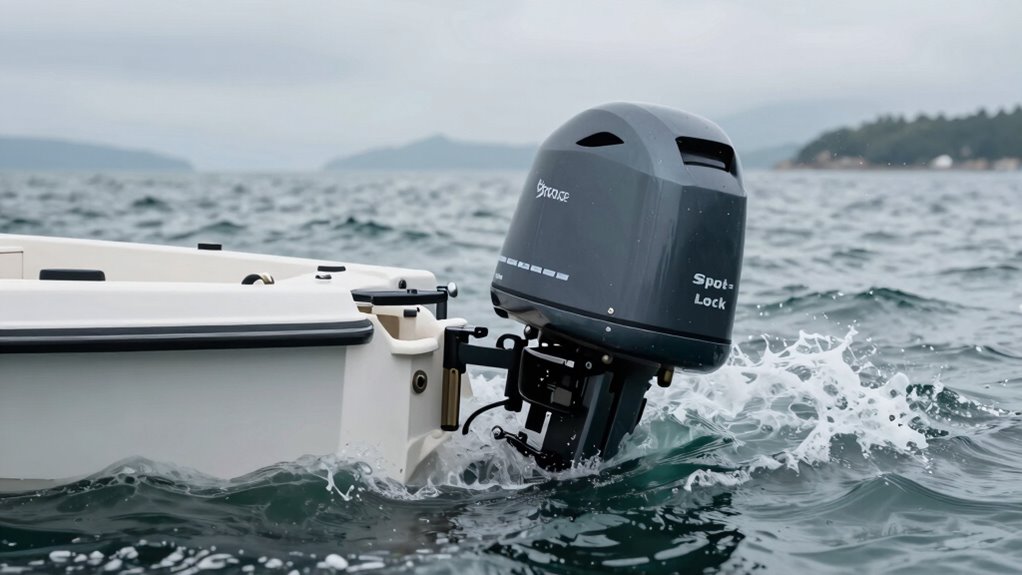
Spot-Lock is a popular feature on trolling motors that helps keep your boat stationary by using GPS technology. It works by locking your boat’s position based on GPS signals, maintaining a set location even in water. However, its effectiveness depends heavily on GPS accuracy; if signals are weak or obstructed, the boat may drift slightly. Additionally, Spot-Lock relies on your battery life, consuming significant power to hold position, especially in challenging conditions. As your battery drains, the motor’s ability to maintain a precise position diminishes, leading to potential drift. While Spot-Lock provides convenience, it isn’t foolproof. Understanding these limitations helps you manage expectations and plan your fishing or boating trips more effectively. GPS signal quality is crucial for optimal performance, so being aware of environmental factors can help you anticipate potential issues. Furthermore, environmental conditions like wind and current can influence position-holding capabilities, making it essential to monitor your surroundings. Also, battery management is vital to ensure consistent operation during long trips or in demanding conditions. Properly assessing environmental factors can help you better understand when Spot-Lock might experience difficulties.
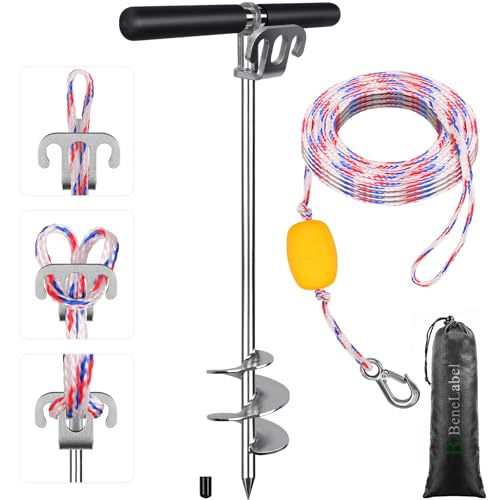
BeneLabel 26" Sand Anchor for Boat with 32ft Ropes Screw in Boat Anchor Pole for Shallow Water Stainless Steel Boat Beach Anchor for Sandbar, Jet Ski, Kayak, Pontoon Boat
Portable Size: The boat anchor pole 26 inches (660 mm) in length, features a propeller design for enhanced…
As an affiliate, we earn on qualifying purchases.
As an affiliate, we earn on qualifying purchases.
Why Wind and Currents Challenge Your Spot-Lock
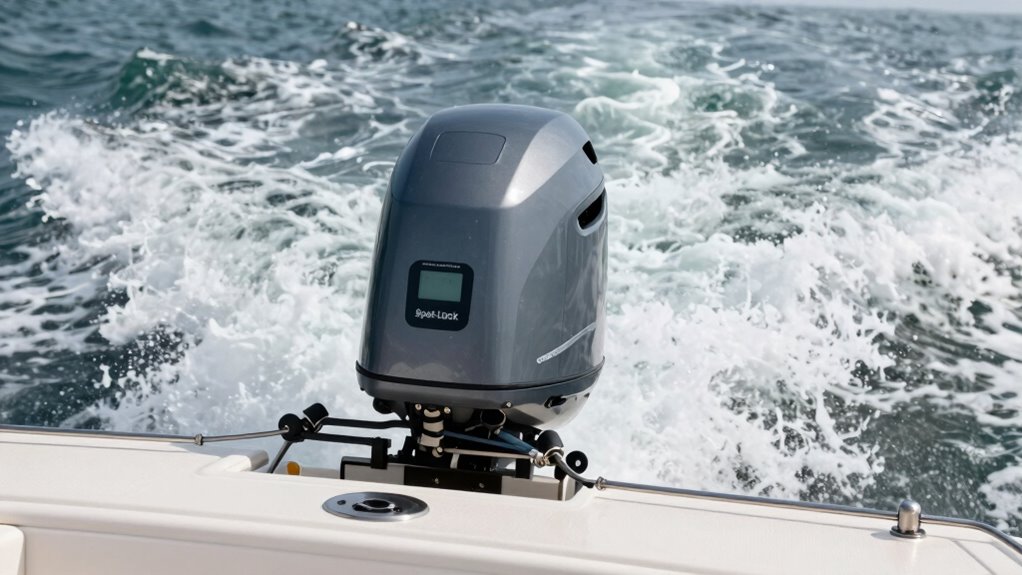
Wind can push your boat off position, making it harder for Spot-Lock to hold steady. Currents also alter your course, forcing the system to work harder to maintain your spot. These factors reveal Spot-Lock’s limitations when nature’s forces are at play. Understanding digital concepts like GPS accuracy and environmental influences can help you better anticipate these challenges. Additionally, knowing how sensor precision impacts positioning can further improve your ability to manage these environmental effects. A familiarity with projector technology can also aid in visualizing these dynamic conditions more clearly, especially when considering environmental influences on device performance. Recognizing how navigation systems integrate environmental data is crucial for optimizing Spot-Lock performance under changing conditions.
Wind Pushes Off Position
Have you ever noticed how gusts can unexpectedly shift your position even when you’ve engaged Spot-Lock? Wind pushes your boat off course, especially during sudden gusts or sustained breezes. The tide influence can compound this, making it harder for Spot-Lock to hold your position precisely. As wind increases, your boat’s speed changes, and the Spot-Lock’s thrusters work harder to compensate. If the wind shifts direction or intensifies unexpectedly, your boat will drift, sometimes profoundly. Even small variations in wind strength can cause your boat to move several feet from your intended spot. In these moments, Spot-Lock struggles to maintain perfect position, revealing its limitations against persistent wind forces that constantly push your boat off course. Additionally, the effectiveness of Spot-Lock can be affected by the boat’s application and washability, which influences how well the device can adapt to changing conditions. Proper anchoring techniques can sometimes provide additional stability when Spot-Lock encounters these challenges. Incorporating advanced sensors can improve the system’s responsiveness to environmental changes, but it still might not fully compensate for strong wind conditions.
Currents Alter Course
Even when the wind stays steady, currents can subtly but steadily shift your boat’s position, making it harder for Spot-Lock to hold your spot precisely. These water movements are driven by marine biology factors like tidal cycles and large-scale current patterns, which can push your boat off course over time. Fish behavior also influences currents, as schools of fish and marine life create localized flows that are unpredictable. Unlike wind, currents often change direction gradually but persistently, requiring you to adjust your position more frequently. This constant tug can make Spot-Lock less reliable, especially in areas where strong or variable currents are common. Understanding these subtle shifts helps you anticipate how currents might affect your boat, improving your overall fishing stability.
Spot-Lock Limitations
Spot-Lock technology relies on GPS and thrusters to hold your boat in place, but its effectiveness can be compromised by environmental forces like wind and currents. These forces can cause your boat to drift or swing, making it harder to maintain a precise position. When wind pushes against the hull, your depth perception of the water’s true conditions can be skewed, leading to misjudged distances to fish or structures. Currents also influence fish behavior, often moving bait and game fish away from your spot. As a result, your ability to stay steady and interpret fish activity diminishes. Wind and current challenges mean you may need to manually adjust your position more frequently or accept a less accurate lock, especially in unpredictable conditions. Incorporating smart boat gear such as advanced sensors or GPS systems may help mitigate some of these challenges, but understanding the impact of environmental forces remains crucial for effective fishing. Additionally, being aware of how environmental conditions fluctuate can help you plan better and adapt your approach to maintain effectiveness. Recognizing the limitations of Spot-Lock in varying conditions can prevent overreliance on technology and encourage the use of manual adjustments when necessary.

Newport 12V50Ah Deep Cycle Heavy-Duty Marine Battery, Lightweight & Sealed AGM, Trolling Motor Compatible
32lbs – The lightweight design of the Newport deep Deep cycle battery makes it easy to transport and…
As an affiliate, we earn on qualifying purchases.
As an affiliate, we earn on qualifying purchases.
Signs Your Spot-Lock Isn’t Holding in Windy Conditions
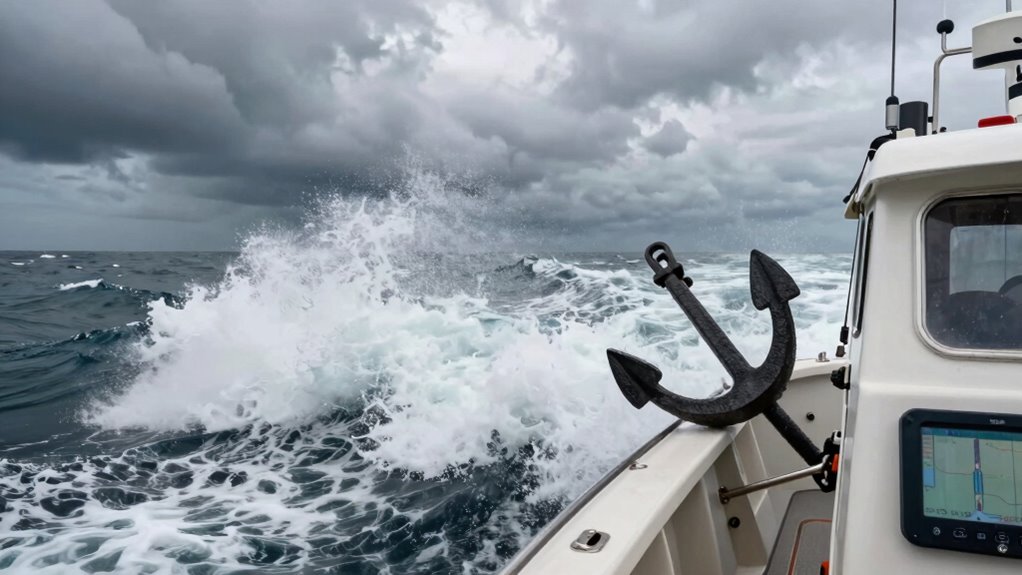
If you notice your boat drifting off your target or struggling against strong currents, your Spot-Lock may not be holding in windy conditions. These signs indicate that wind and water movement are overpowering your current setup. Recognizing these issues early helps you decide if adjustments are needed before losing control. Understanding vehicle protection options can help safeguard your gear during such challenging conditions. Additionally, being aware of ethical considerations in equipment use can inform responsible decision-making in managing your boat’s safety features. Regularly monitoring environmental factors and understanding wind resistance capabilities can further enhance your ability to adapt to changing conditions and maintain stability. For example, some sustainable textile solutions designed for outdoor gear can provide enhanced durability and environmental benefits, which are important when operating in challenging weather. Being familiar with proper anchoring techniques can also provide alternative solutions when Spot-Lock struggles against adverse conditions.
Drifting Off Mark
When wind picks up, you might notice your boat slowly drifting away from your desired spot, despite engaging Spot-Lock. This drifting signals that your anchor lock isn’t holding as it should, which can frustrate your fishing techniques. If you see your boat creeping off, check your boat maintenance—ensure your trolling motor’s transducer and mounting are secure, and that batteries are fully charged. Sometimes, debris or tangled weeds can interfere with the motor’s grip, causing it to lose hold. Keep an eye on your surroundings and watch your boat’s position closely. Recognizing these signs early helps you maintain control and optimize your fishing experience. Additionally, understanding Steampunk Roleplay etiquette can enhance your interaction with fellow enthusiasts and improve your overall experience. Being aware of proper boat handling techniques can also help you adjust to changing conditions and keep your boat steady. Regularly inspecting your trolling motor components ensures everything functions correctly under various weather conditions and prevents unexpected slips. Additionally, keeping boat safety measures in mind can help prevent accidents when conditions become challenging. Also, consider the importance of piercings when handling equipment around sensitive areas to avoid accidental injuries that could compromise your control.
Struggling Against Currents
Strong currents and gusty winds can challenge your Spot-Lock’s effectiveness, making it harder to stay in place. If you notice your boat drifting despite engagement, signs include erratic bait presentation and difficulty maintaining tackle storage. These issues can hinder your fishing efficiency and reduce catch rates. To visualize, consider this table:
| Sign | Cause | Solution |
|---|---|---|
| Bait dragging or uneven | Currents overpower Spot-Lock | Adjust anchor point |
| Tackle storage cluttered | Boat moving unexpectedly | Recalibrate Spot-Lock |
| Difficulty maintaining position | Strong wind and current combo | Use additional anchor or drift sock |
| Poor bait presentation | Boat drifting out of optimal zone | Improve Spot-Lock settings |
| Frustration or constant correction | Wind and current interference | Upgrade Spot-Lock or add anchoring tools |
Stay alert; these signs mean your Spot-Lock needs support to handle the current’s force. Recognizing these signs can help you optimize your fishing setup and ensure your equipment functions effectively in challenging conditions.

Minn Kota MKP-6 Weedless Wedge Prop for Trolling Motors
Weedless Performance: Designed to push weeds away and conserve battery power for extended run time in heavy cover
As an affiliate, we earn on qualifying purchases.
As an affiliate, we earn on qualifying purchases.
How Wind Speed and Direction Affect Spot-Lock Performance
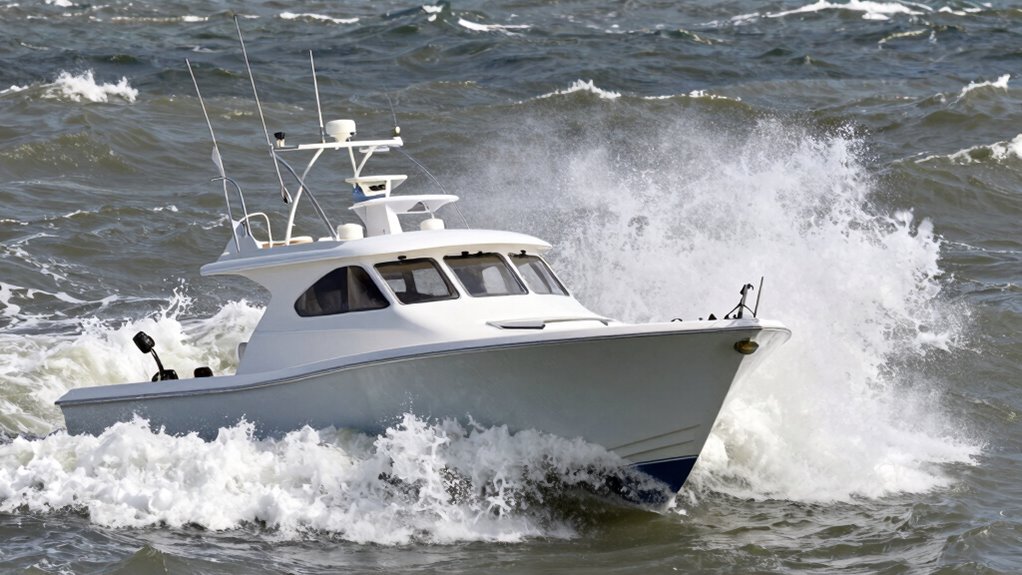
Wind speed and direction play a crucial role in how well Spot-Lock performs, as they directly influence the thruster’s ability to maintain your boat’s position. When wind is strong or gusty, it can push your boat off course, making Spot-Lock work harder or even struggle. The same applies when current strength adds to the challenge, especially if wind and current oppose each other. You might find your boat drifting despite the system’s effort to hold position.
Feel the frustration build when your Spot-Lock fights against the elements:
- Sudden gusts push you off-course
- Strong currents weaken holding power
- Wind shifts cause unpredictable movement
- Thrusters work overtime, draining batteries
- Confidence drops with each drift
Understanding these effects helps you anticipate and manage expectations.
Adjusting Your Trolling Motor Settings for Better Spot-Lock in Wind
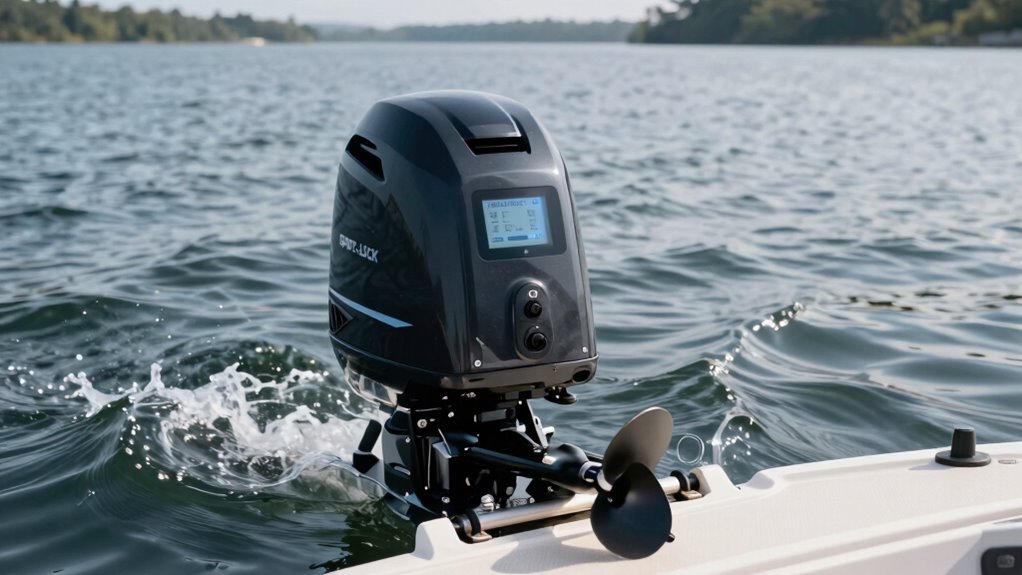
To improve your Spot-Lock performance in windy conditions, adjusting your trolling motor settings can make a significant difference. Start with proper trolling motor calibration, ensuring your motor’s compass and sensors are aligned correctly. Accurate calibration helps the Spot-Lock system respond more precisely to changes in wind and water movement. Additionally, check your GPS signal strength; weak signals can cause your motor to drift or respond sluggishly. Clear, unobstructed satellite reception guarantees better positioning data, allowing the Spot-Lock feature to hold your position more reliably. Fine-tuning these settings enhances your boat’s stability and responsiveness in challenging conditions. Remember, consistent calibration and strong GPS signals are key to maintaining a steady position, especially when wind pushes against your boat.
Tips to Keep Spot-Lock Accurate in Windy Waters
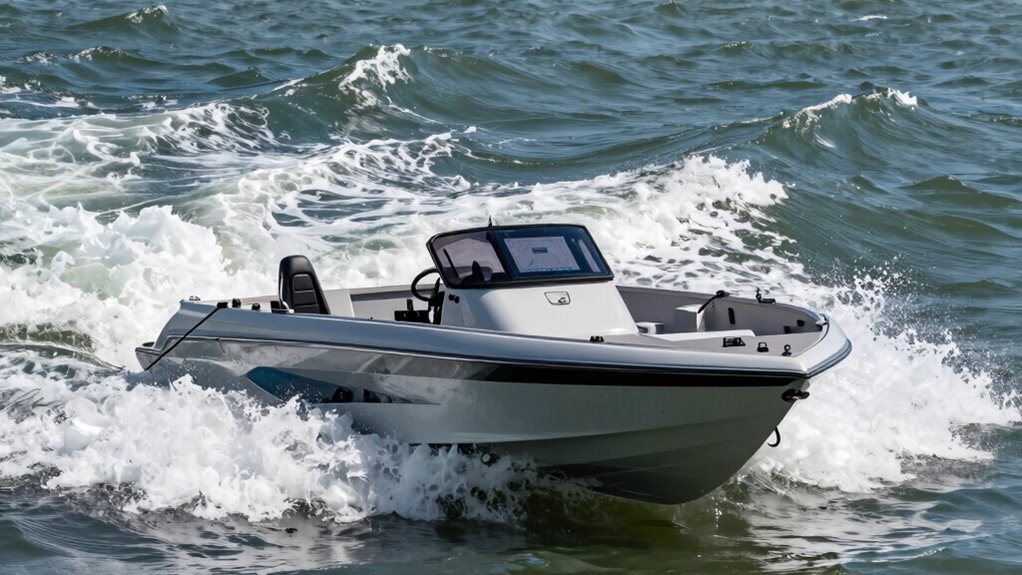
When conditions get choppy, maintaining Spot-Lock accuracy requires proactive adjustments. Wind and current can push your boat off position, so staying on target demands vigilance. Use your fish finder to monitor water movement and anticipate shifts. Keep your solar power system topped off to guarantee your trolling motor has consistent power, especially during long stints. Adjust your Spot-Lock settings for stronger hold, and consider increasing your heading bias to counteract gusts. Regularly watch your display, making small course corrections to stay aligned. Engage your boat’s autopilot features if available to complement Spot-Lock. Remember, staying alert helps you adapt quickly and keep your position steady, even in challenging conditions. These small but essential steps help you fish confidently despite the wind’s relentless push.
What to Do When Spot-Lock Can’t Keep Up
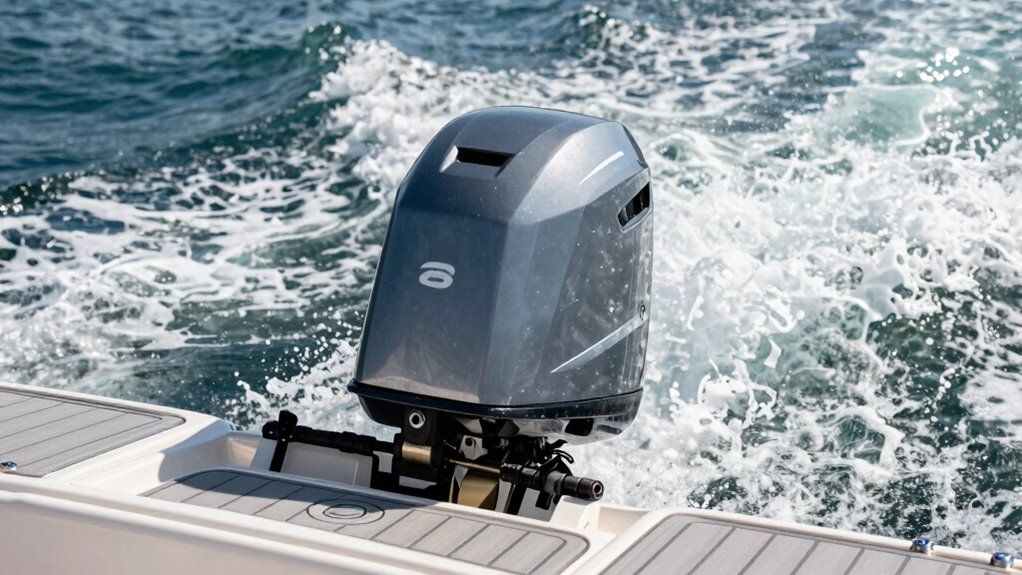
Despite your best efforts, there will be times when Spot-Lock can’t hold your boat precisely in place. Electronics interference from nearby gear or structures can disrupt the GPS signals, causing the system to lose accuracy. Additionally, battery performance plays a vital role; a weak or aging battery may reduce the thruster’s responsiveness, making it harder to maintain position. When Spot-Lock struggles, manually steering into the current or wind becomes necessary. Keep a close eye on your electronics, and make sure your batteries are fully charged and in good condition. Sometimes, reducing the scope of your anchor or adjusting your boat’s heading can help improve stability. Remember, Spot-Lock isn’t foolproof—knowing when to take control ensures safer, more effective fishing.
Common Mistakes That Reduce Spot-Lock Effectiveness

Many common mistakes can substantially reduce Spot-Lock’s effectiveness, undermining its ability to hold your boat steady. One mistake is relying solely on visual navigation without cross-checking with sonar technology, which can lead to drifting due to unseen currents or obstacles. Ignoring the importance of updating your boat’s position regularly causes it to lose accuracy. Failing to calibrate your trolling motor or GPS can result in poor hold points. Overlooking nearby structures or underwater hazards makes Spot-Lock less reliable. In conclusion, not paying attention to sonar technology can prevent you from detecting subtle changes in water conditions, reducing precision. Be vigilant with visual navigation, keep sonar technology calibrated, and update your position frequently to maximize Spot-Lock’s effectiveness.
Combining Spot-Lock With Traditional Anchors: When and How

Combining Spot-Lock with traditional anchors can give you greater control and flexibility on the water. Use Spot-Lock to maintain position while you focus on bait casting or adjusting your gear, but switch to an anchor when wind or current threaten to push you off spot. This hybrid approach works well when you need a stable position for longer periods or in tricky conditions. When deploying a traditional anchor, ensure your boat’s maintenance is up to date to prevent gear failure. You can also use Spot-Lock to fine-tune your position before setting the anchor, reducing swinging or drifting. Knowing when to switch between Spot-Lock and a traditional anchor helps you stay efficient and minimizes frustration, especially during prolonged fishing sessions.
What Spot-Lock Can and Can’t Do in Tough Conditions
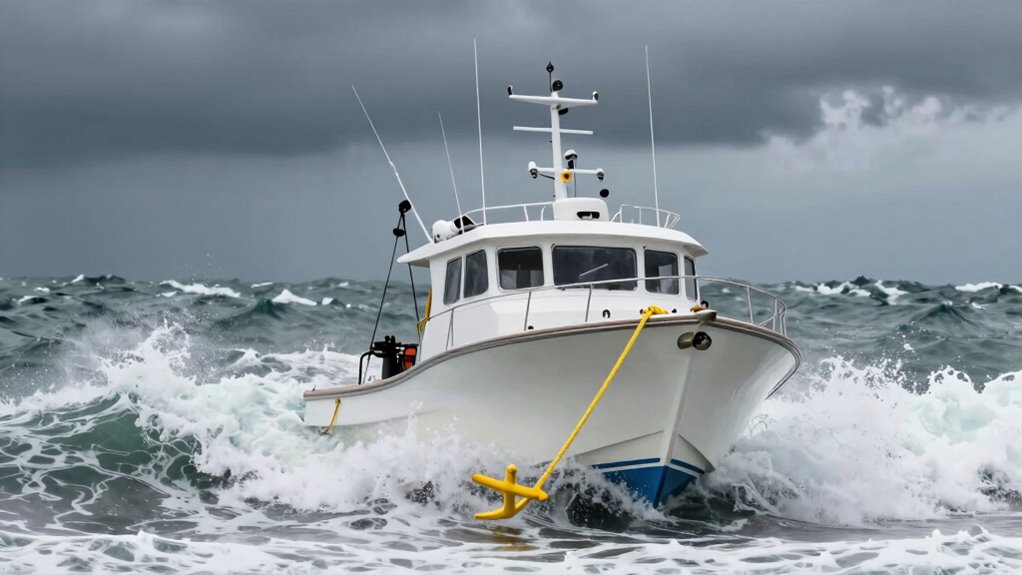
Wind can make Spot-Lock less reliable, causing your boat to drift despite the system’s efforts. Strong currents can overwhelm its hold, forcing you to rely on traditional anchors or other methods. Knowing these limitations helps you plan better and avoid surprises in tough conditions.
Wind Challenges Limit Effectiveness
When gusty conditions pick up, Spot-Lock’s ability to hold your boat steady starts to weaken considerably. Wind creates unpredictable forces that challenge marine navigation, making your boat drift despite GPS technology. In strong gusts, even the most advanced Spot-Lock systems struggle to compensate for the wind’s push. You might find yourself fighting to maintain position, feeling frustrated and vulnerable. The wind’s relentless force can:
- Overwhelm your boat’s hold, risking drifting into hazards
- Require constant manual adjustments, draining your energy
- Undermine confidence in Spot-Lock’s reliability
- Disrupt fishing or anchoring plans unexpectedly
- Increase safety concerns on open water
Understanding these wind limitations helps you manage expectations and avoid over-reliance on Spot-Lock in challenging conditions.
Strong Currents Overwhelm Spot-Lock
Strong currents can pose just as much of a challenge to Spot-Lock’s effectiveness as gusty winds, often pushing your boat out of position despite the system’s GPS precision. When currents are strong, electronic stability becomes critical; if the water moves faster than the system can compensate, your boat may drift despite the anchor mode. Spot-Lock relies on GPS accuracy to hold your position, but heavy currents can exceed its correction capabilities, causing you to drift away. In these conditions, the system struggles to maintain a steady position, especially if the current shifts suddenly or flows unevenly. While Spot-Lock is a powerful tool, understanding its limits in turbulent water helps you manage expectations and avoid frustration in challenging conditions.
Frequently Asked Questions
Can Spot-Lock Be Used in Shallow Water?
Yes, you can use Spot-Lock in shallow water, but be aware of its limitations. In shallow areas, Spot-Lock may struggle with sudden changes in wind or current, causing it to drift or lose position. You might need to frequently adjust the anchor or use manual control to maintain your desired spot. Understanding these limitations helps you plan better and guarantees you get the most out of your Spot-Lock system in shallow conditions.
How Does Spot-Lock Affect Battery Life?
They say “you get what you pay for,” and with Spot-Lock, that’s true for battery life. Using Spot-Lock increases power consumption, leading to faster battery drain. The constant motor adjustments to hold your position demand more energy, so your battery won’t last as long. If you plan long trips, keep an eye on your battery levels and consider extra power sources. Proper use helps balance Spot-Lock’s benefits with your battery’s endurance.
Is Spot-Lock Effective Near Underwater Structures?
Spot-lock can be effective near underwater structures, but anchoring limitations apply due to structural interference. You might find that the system struggles to maintain position when submerged objects or debris disrupt the GPS signals and trolling motor sensors. While it works well in open water, near underwater structures, the Spot-Lock may drift or lose accuracy. Always monitor your position closely and be prepared to manually adjust as needed.
Can Spot-Lock Be Combined With Manual Steering?
Yes, you can combine Spot-Lock with manual steering, but it requires system integration. When you activate Spot-Lock, the system maintains your position, but you can still use manual control to adjust your heading or position slightly. This setup lets you fine-tune your boat’s location while benefiting from the anchor-like hold of Spot-Lock. Just verify your trolling motor and control system support seamless integration for smooth operation.
Does Spot-Lock Work During Rough Seas?
In stormy conditions, Spot-Lock struggles to hold your position against strong wind and currents, risking anchor dragging or drifting off course. It can’t reliably maintain your position during rough seas, so you need to be prepared for manual adjustments or alternative anchoring methods. Your safety depends on understanding these limits, recognizing that Spot-Lock isn’t designed for stormy weather, and staying vigilant to avoid losing control in challenging conditions.
Conclusion
So, next time you’re battling wind and current, remember that Spot-Lock is like a kite caught in a breeze—powerful but not invincible. Sometimes, despite your adjustments, it drifts like a leaf, reminding you that nature’s forces are unpredictable. Embrace these moments as part of the experience, trusting your skills and instincts. After all, in the dance between boat and wind, a little patience often guides you back to smooth waters.