
When choosing marine fasteners, you need to take into account corrosion-resistant materials like stainless steel 316, bronze, or titanium, along with proper coatings or sealants. Select threads that resist vibration and ensure compatibility with seals to prevent water ingress. Match metals carefully to avoid galvanic corrosion, and use insulators if needed. Proper installation, surface prep, and regular maintenance are key. Keep these principles in mind, and you’ll be able to secure your marine structures effectively—more details await if you continue.
Key Takeaways
- Select corrosion-resistant materials like marine-grade stainless steel, bronze, or titanium to withstand saltwater environments.
- Use marine-grade sealants (silicone or polyurethane) and proper surface prep to ensure waterproof sealing.
- Match metals with similar electrochemical potential and employ insulators to prevent galvanic corrosion.
- Choose thread types (coarse or fine) based on vibration resistance and adjustment needs.
- Follow correct installation practices, including proper torque and surface cleaning, to enhance fastener longevity.
marine stainless steel fasteners
As an affiliate, we earn on qualifying purchases.
As an affiliate, we earn on qualifying purchases.
What Are Marine Fasteners and Why Are They Important?
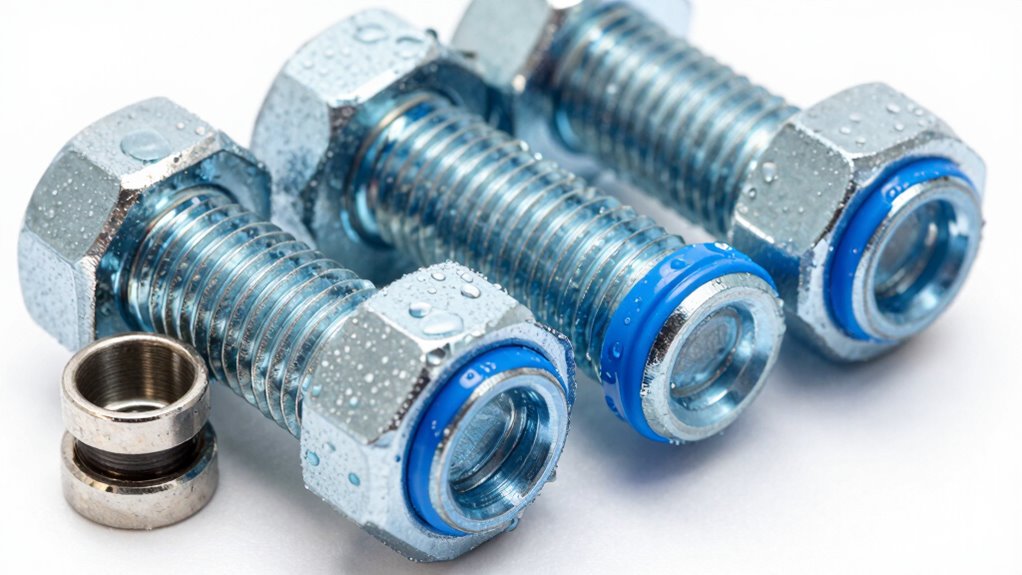
Marine fasteners are specialized hardware designed to hold components securely together in the harsh conditions of the water. They come in various marine fastener types, such as stainless steel, bronze, and coated fasteners, each suited for specific applications. Their primary significance lies in corrosion resistance; saltwater is highly corrosive and can quickly degrade standard fasteners. Marine fasteners are engineered to withstand these conditions, preventing failure and ensuring safety. Choosing the right fastener type is vital for durability and longevity in marine environments. Their ability to resist corrosion reduces maintenance costs and prevents equipment failure. Proper selection of marine fasteners guarantees the structural integrity of boats, docks, and other water-related structures, making them an essential component in marine construction and repair. corrosion resistance is a critical factor in selecting suitable fasteners for prolonged durability. Additionally, material selection plays a crucial role in enhancing the fasteners’ resistance to the corrosive marine environment, as material compatibility ensures the fasteners perform optimally. Incorporating corrosion-resistant coatings can further extend the lifespan of marine fasteners in aggressive conditions. Understanding environmental factors can also influence the choice of fastener materials to ensure longevity and performance.
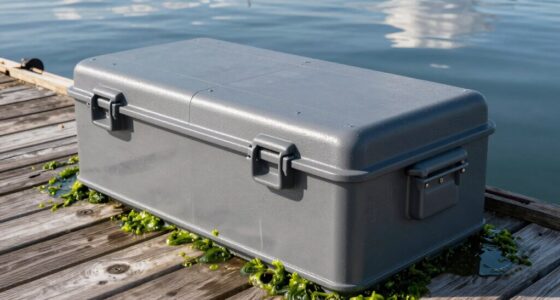
marine-grade sealants silicone polyurethane
As an affiliate, we earn on qualifying purchases.
As an affiliate, we earn on qualifying purchases.
What Materials and Coatings Make Fasteners Last in Saltwater?
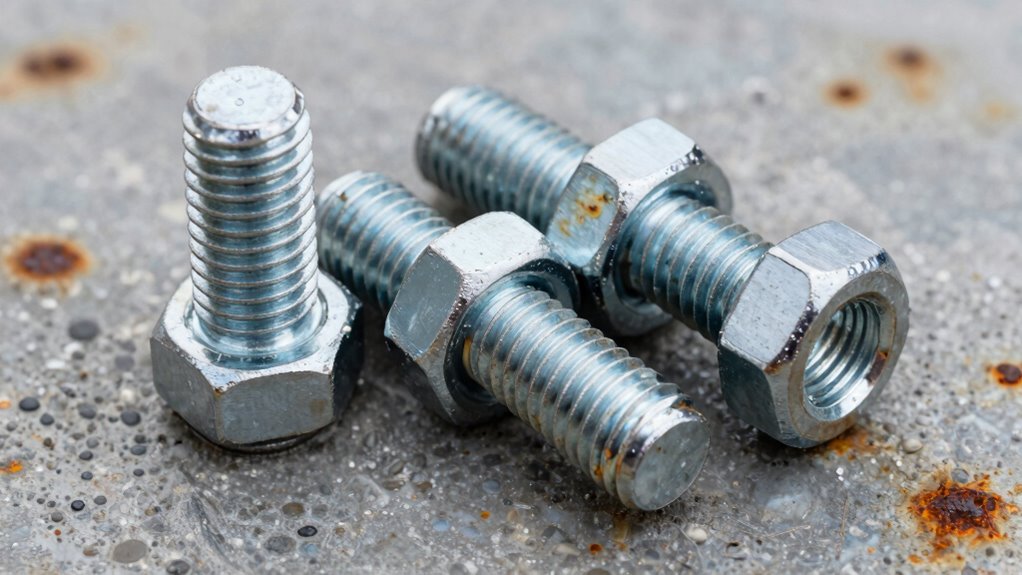
Choosing fasteners that can withstand saltwater‘s corrosive effects depends heavily on the materials and coatings used. To maximize corrosion resistance, opt for stainless steel, especially grade 316, which resists rust and pitting. Another excellent choice is titanium, known for its durability and corrosion resistance in harsh environments. Material coatings also play an essential role; applying protective finishes like epoxy or zinc plating can enhance longevity. These coatings create a barrier that prevents saltwater from reaching the metal surface, reducing the risk of corrosion. In marine settings, selecting the right combination of material and coating is indispensable for fasteners to last. Properly chosen fasteners will maintain their strength and integrity, even after prolonged exposure to saltwater. Additionally, understanding marine-grade materials can help in selecting fasteners that are inherently resistant to saltwater corrosion. Considering galvanic pairs when selecting fasteners can also prevent galvanic corrosion, which occurs when different metals contact in saltwater environments. Using metallic compatibility as a guideline ensures that the metals used are less likely to react adversely, further extending their service life.
titanium marine fasteners
As an affiliate, we earn on qualifying purchases.
As an affiliate, we earn on qualifying purchases.
How Do You Choose the Right Thread Types for Marine Environments?
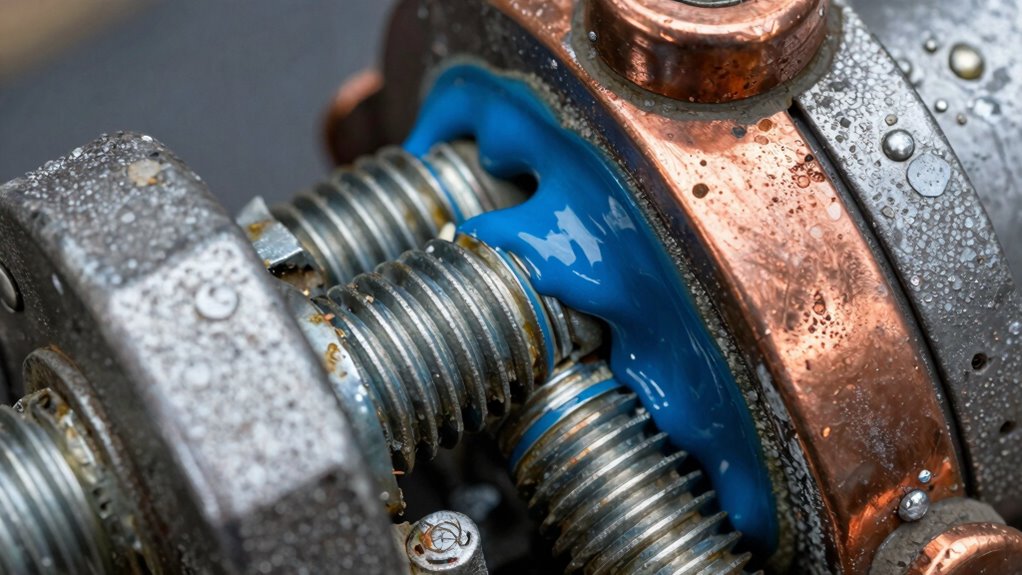
Selecting the right thread type is essential for ensuring fastener reliability in harsh aquatic environments. You need to prioritize thread compatibility to prevent galling and ensure smooth assembly. For marine use, coarse threads often resist vibration loosening better, while fine threads provide more precise adjustments. To avoid issues like thread stripping, consider thread locking options such as thread adhesives or locknuts.
| Thread Type | Best Use Case |
|---|---|
| Coarse | Vibration-heavy environments |
| Fine | Precise adjustments, corrosion resistance |
Choose thread types suited to your application, considering both compatibility and thread locking methods. This approach guarantees secure, long-lasting fasteners in challenging marine conditions.
galvanic corrosion insulators for marine fasteners
As an affiliate, we earn on qualifying purchases.
As an affiliate, we earn on qualifying purchases.
How to Select the Best Sealants to Keep Water Out
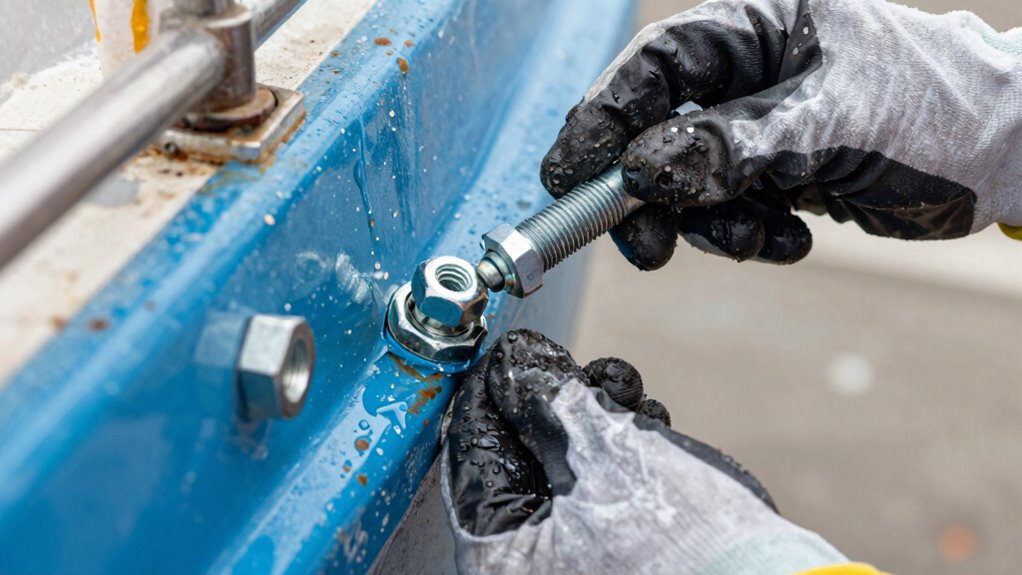
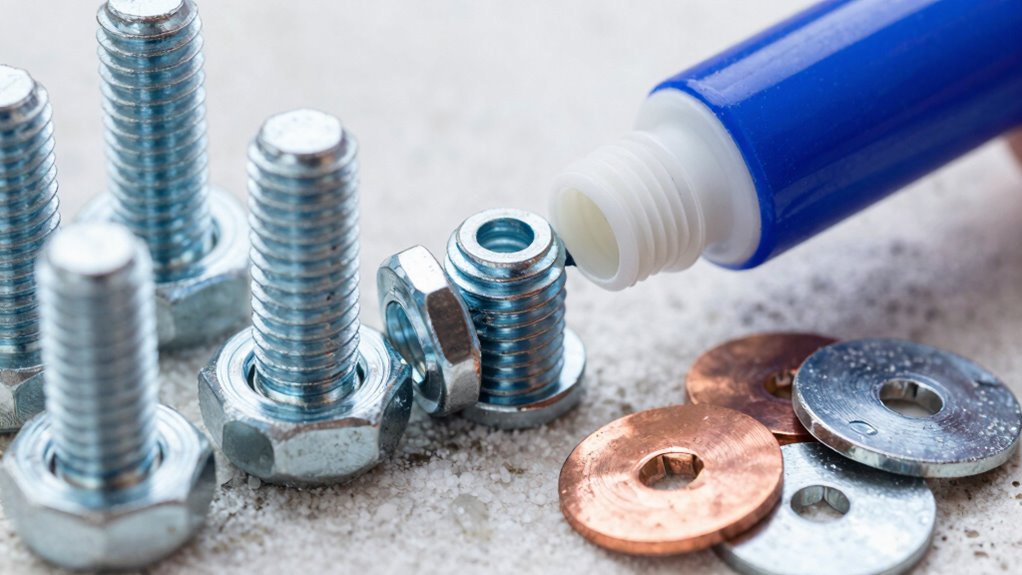
Ever wonder how to keep water from seeping into your boat or marine equipment? Choosing the right marine sealants is key. Look for waterproof coatings that are specifically designed for marine environments—they resist saltwater, UV rays, and temperature changes. Select sealants labeled as marine-grade, ensuring they provide a durable, flexible barrier against water intrusion. Silicone-based sealants work well for flexible joints, while polyurethane options offer strong adhesion for larger gaps. Always check the manufacturer’s instructions for application and curing times. Applying a high-quality marine sealant correctly creates a watertight seal that prevents leaks and protects your equipment. Proper surface preparation and understanding the sealant’s properties are essential for a long-lasting seal. Using sealants that are compatible with marine environments ensures optimal performance and longevity. Remember, using the right sealant for your specific needs helps extend the life of your vessel and keeps water out effectively.
How to Match Fasteners to Prevent Corrosion (Galvanic Pairing)
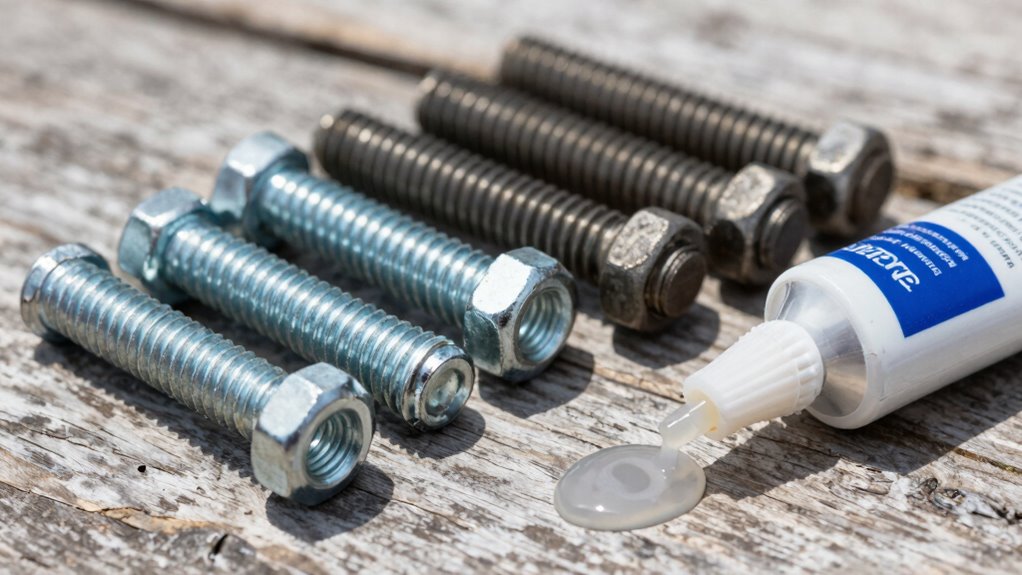
To prevent corrosion caused by galvanic reactions, it is essential to match fasteners with compatible materials. This minimizes galvanic corrosion and ensures longevity. Here are three key steps:
- Choose compatible metals: Use fasteners made from materials close in electrochemical potential to the substrate to reduce galvanic corrosion.
- Implement electrical isolation: Use insulators or coatings to prevent direct metal contact, breaking the galvanic circuit.
- Avoid dissimilar metals in contact: When unavoidable, ensure a barrier or sealant separates incompatible metals to prevent galvanic reactions. Additionally, understanding galvanic pairing helps select the right materials for corrosion resistance.
What Are the Best Practices for Installing Marine Fasteners?
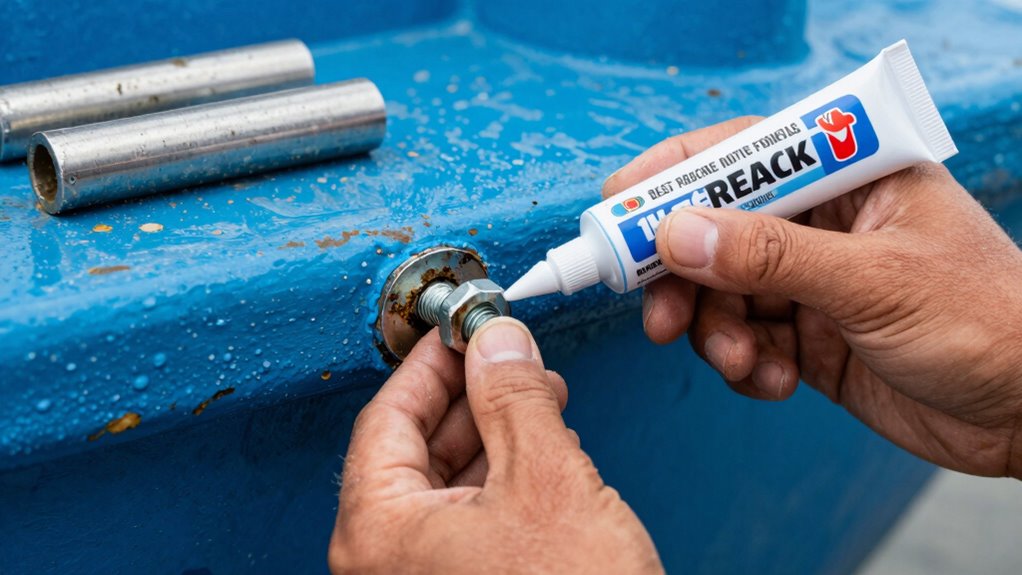
To guarantee your marine fasteners perform reliably, start with proper surface preparation to prevent corrosion and ensure a strong hold. Next, apply the correct torque when installing to avoid damaging the fasteners or compromising their integrity. Paying attention to these best practices will help you achieve long-lasting, secure connections in marine environments. Additionally, selecting the appropriate galvanic pairs can prevent galvanic corrosion, which is especially important in saltwater conditions. Ensuring compatibility of materials through material selection is also crucial to maintain the longevity of your fasteners in harsh marine settings. Incorporating corrosion prevention techniques into your installation process can further enhance durability and performance in challenging marine environments. Understanding how time and life symbolism relate to durability can also guide you in choosing the most reliable fasteners for demanding conditions. Recognizing the importance of preventive maintenance helps extend the lifespan of your marine fasteners and ensures continued safety and performance.
Proper Surface Preparation
Proper surface preparation is essential for ensuring the secure and corrosion-resistant installation of marine fasteners. To achieve this, you should focus on three key steps:
- Surface cleaning – Remove dirt, grease, and old coatings to expose clean metal, preventing contaminants that can cause corrosion. Using appropriate cleaning agents can enhance this process and ensure a thorough removal of residues.
- Rust and corrosion removal – Use appropriate tools or chemical treatments to eliminate rust, ensuring a smooth surface for fastening. Proper removal of corrosion helps maintain the integrity of the fastened components.
- Surface smoothing – Sand or grind rough areas to promote better sealing and fastening, reducing stress points that can lead to failure. Additionally, understanding metal compatibility can help prevent galvanic corrosion when selecting fasteners and sealants.
- Furthermore, applying suitable sealants after surface preparation can significantly improve resistance to water ingress and long-term durability. Selecting appropriate sealants compatible with your materials is crucial for optimal protection. Proper surface preparation, including selecting the right cleaning agents, can further enhance the longevity of your marine fasteners and prevent future corrosion issues.
Correct Fastener Torque
Have you ever wondered how to guarantee your marine fasteners are secured correctly? Proper torque is essential for reliable fastening. Start by selecting the right fastener sizing; too large or small can lead to improper thread engagement. Use a torque wrench to tighten fasteners gradually, ensuring even pressure across all points. Avoid over-tightening, which can strip threads or damage materials, and under-tightening, which risks loosening. Refer to manufacturer specifications for torque values tailored to your fastener type and application. Ensuring proper thread engagement also helps distribute load evenly, reducing stress on the fastener. Consistent, precise torque application enhances corrosion resistance and longevity, protecting your marine equipment in harsh conditions. Remember, the right torque makes all the difference in securing your fasteners effectively.
Common Mistakes to Avoid When Installing Marine Fasteners
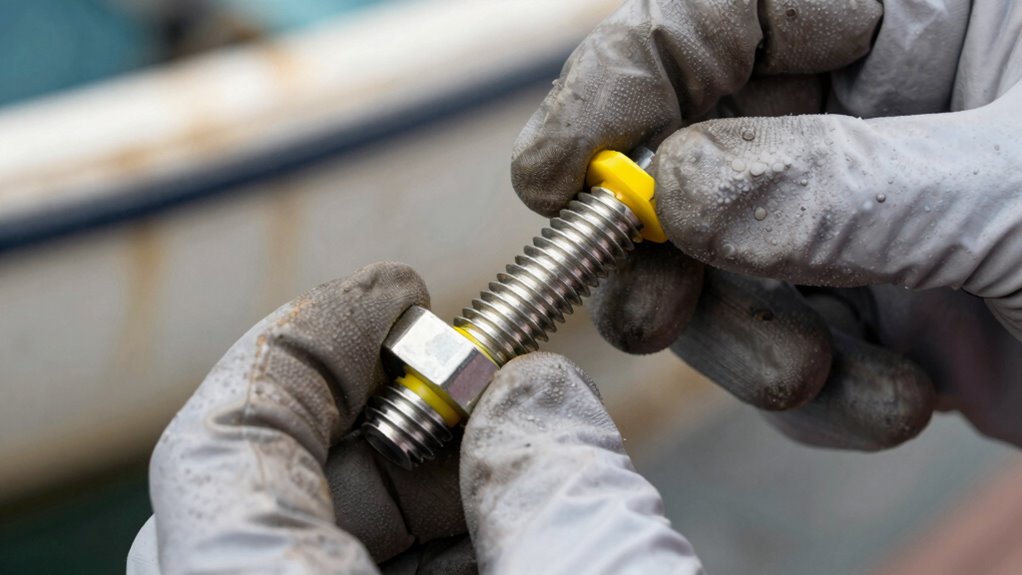
One of the biggest mistakes you can make is skipping surface preparation, which can lead to corrosion and weak connections. Ignoring material compatibility can also cause fasteners to deteriorate quickly or fail. To guarantee long-lasting results, pay close attention to preparing surfaces and choosing the right fasteners for your materials. Additionally, understanding the importance of material compatibility can help prevent premature deterioration and ensure a durable installation. Incorporating corrosion resistance considerations during selection can further enhance the longevity of your marine fasteners and reduce maintenance needs over time. Considering environmental factors such as saltwater exposure is crucial for selecting appropriate materials and coatings. Regularly inspecting and maintaining your fasteners, especially in water environments, can also significantly extend their service life and performance. Being aware of cryptid mysteries and other paranormal phenomena can also remind us of the importance of thoroughness and skepticism in all aspects of work and investigation.
Overlooking Surface Preparation
Failing to prepare the surface before installing marine fasteners can lead to serious issues, such as corrosion, loosening, or structural failure. Surface contamination, like dirt, oil, or old protective coatings, can prevent proper fastening and promote corrosion. To avoid this, you should:
- Thoroughly clean the area to remove dirt, grease, and debris.
- Remove any old or damaged protective coatings that could compromise the bond.
- Sand or abrade the surface to guarantee a smooth, clean finish for maximum fastener grip.
- Ensuring proper surface preparation is essential for maintaining the integrity of corrosion resistance and the long-term durability of your marine structure.
- Using appropriate cleaning agents can further ensure the removal of contaminants that might interfere with fastener adhesion.
Skipping these steps may cause fasteners to weaken prematurely or fail altogether. Proper surface preparation ensures that fasteners maintain their strength and corrosion resistance, extending the lifespan of your marine structure. Don’t overlook this vital step in your installation process.
Ignoring Material Compatibility
Neglecting to contemplate material compatibility when installing marine fasteners can lead to rapid corrosion, weakening of connections, and potential structural failure. Using incompatible materials increases the risk of material incompatibility, which accelerates corrosion despite efforts for corrosion prevention. For example, mixing stainless steel with aluminum can cause galvanic corrosion, damaging both components. Always match fasteners with the surrounding materials to ensure durability and safety. Consider the environment and select materials that resist corrosion in marine conditions. Ignoring these factors can result in costly repairs and compromised safety. Proper material compatibility not only prevents corrosion but also extends the lifespan of your fasteners and the structure they support. Be proactive—assess material interactions to avoid future problems. material compatibility plays a crucial role in maintaining the longevity and integrity of your marine fasteners.
How to Maintain Marine Fasteners for Long-Term Durability
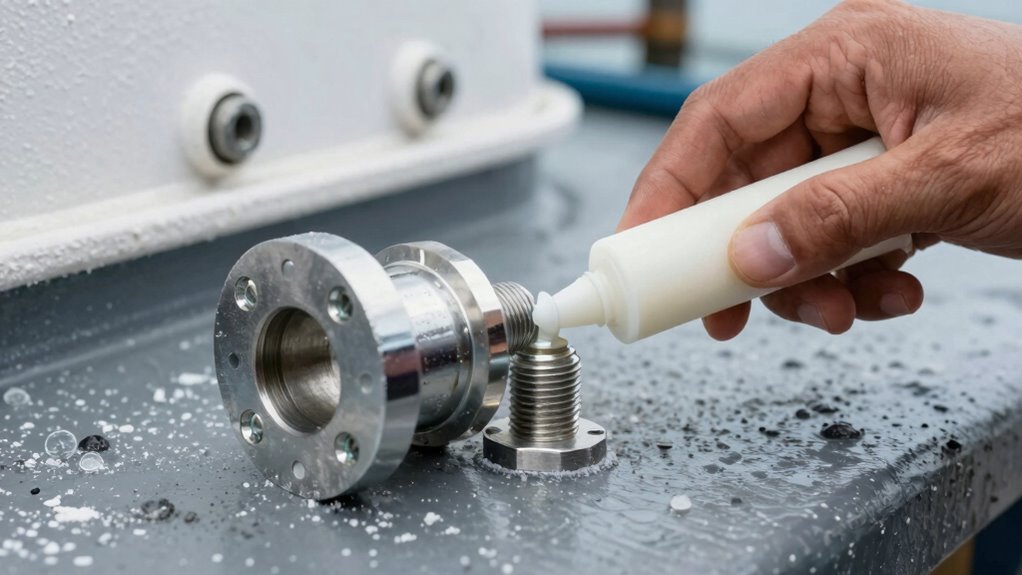
Maintaining marine fasteners is essential to guarantee they remain durable and reliable over time. Proper upkeep ensures maximum marine fastener longevity and enhanced corrosion resistance. To achieve this, consider these steps:
- Regularly inspect fasteners for signs of corrosion or wear, and replace any damaged ones promptly.
- Apply protective coatings or anti-corrosion sprays to prevent rust, especially in saltwater environments.
- Clean fasteners with fresh water after exposure to salt or harsh elements, and dry thoroughly before reassembling.
Frequently Asked Questions
What Are the Most Corrosion-Resistant Thread Types for Marine Fasteners?
You should choose marine alloy threads with a high corrosion resistance, such as stainless steel or bronze, for your marine fasteners. Look for fasteners with a quality thread coating, like zinc or epoxy, to further protect against corrosion. These materials and coatings work together to withstand harsh saltwater environments, ensuring longevity and durability. Always verify the compatibility of your fasteners with your specific marine application to prevent galvanic corrosion.
How Do Environmental Factors Influence Sealant Selection?
Think of sealant selection like choosing a jacket for unpredictable weather. UV exposure and marine temperature directly impact your choice: UV rays degrade some sealants faster, and high temperatures can weaken others. For example, in sunny, warm waters, a UV-resistant sealant keeps your fasteners intact longer, while in colder, shaded areas, a different formulation prevents cracking. Match your sealant to the environment to guarantee lasting protection.
Can Galvanic Corrosion Occur Between Incompatible Marine Metals?
Yes, galvanic corrosion can occur between incompatible marine metals if they’re in contact in a conductive environment. Metal compatibility is vital for corrosion prevention; using dissimilar metals without proper insulation or sacrificial anodes risks accelerated deterioration. To avoid this, select metals with similar electrochemical potentials or ensure appropriate barriers and coatings are in place. Proper planning helps maintain the integrity of your marine components and prevents costly damage caused by galvanic corrosion.
What Are the Signs of Fastener Failure in Marine Environments?
You’ll notice corrosion indicators like rust, discoloration, or pitting, which signal fastener deterioration. Loose or corroded fasteners may cause vibrations or leaks, indicating failure. You might also see cracks or deformation around the fastener head. Regular inspections help catch these signs early, preventing further damage. If you observe any of these issues, replace or repair the fasteners promptly to maintain marine safety and structural integrity.
How Often Should Marine Fasteners Be Inspected and Replaced?
You should conduct regular fastener maintenance, inspecting marine fasteners at least once every 6 to 12 months. During these inspections, focus on corrosion monitoring and check for signs of wear or damage. Replace any fasteners showing corrosion, corrosion pitting, or looseness promptly to prevent failure. Consistent maintenance helps verify safety and longevity of your marine equipment, reducing the risk of unexpected failures caused by corrosion or fatigue.
Conclusion
Choosing the right marine fasteners is like tending a delicate garden—you need the right tools, materials, and care to guarantee everything thrives. By understanding threads, sealants, and galvanic pairing, you protect your investment against saltwater’s relentless assault. Proper installation and maintenance are your best defenses, keeping your vessel strong and seaworthy. With attention and care, your fasteners will last longer than a lighthouse standing tall through storms. Keep these tips in mind and sail confidently ahead.