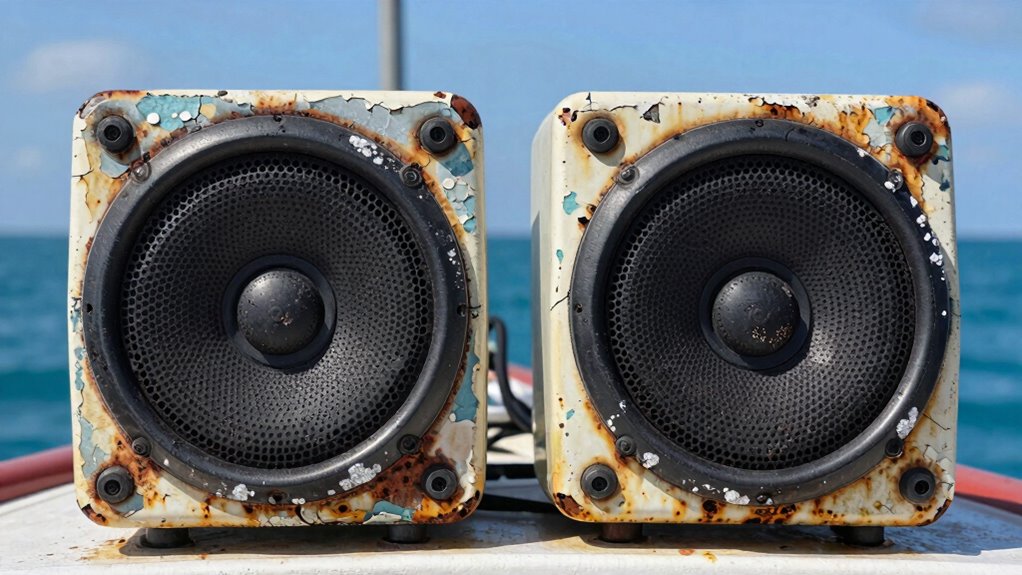
Marine speakers often fail early because of exposure to saltwater, humidity, and UV rays that cause corrosion and damage materials over time. Vibration, rough handling, and poor installation can also accelerate wear. To prevent this, choose high-quality, waterproof, marine-grade speakers made from durable materials, and make certain of proper sealing and mounting. Regular maintenance like rinsing with fresh water and inspecting for damage helps prolong their lifespan. Keep going to discover more tips for keeping your speakers in top shape.
Key Takeaways
- Exposure to saltwater and humidity accelerates internal corrosion and material degradation, causing early speaker failure.
- Poor sealing and inadequate waterproofing allow water ingress, damaging internal components over time.
- UV rays cause surface fading, cracking, and brittleness if protective coatings or weatherproof materials are not used.
- Improper installation, including loose mounting and chafing of cables, increases vulnerability to environmental damage.
- Lack of regular maintenance, such as rinsing and inspections, allows salt, dirt, and corrosion to accumulate, reducing lifespan.
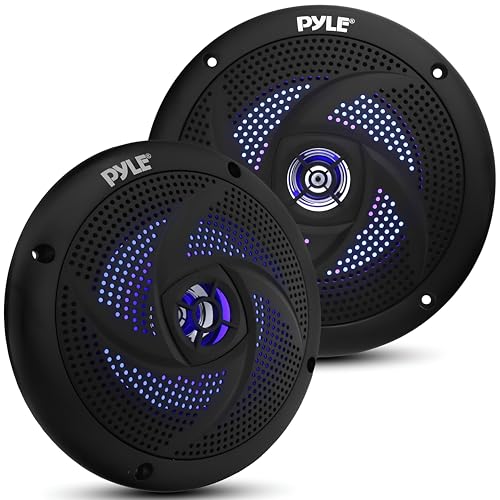
Pyle Marine Speakers -5.25 Inch 2 Way Waterproof and Weather Resistant Outdoor Audio Stereo Sound System with LED Lights,180 Watt Power and Low Profile Slim Style -1 Pair -PLMRS53BL (Black)
WATERPROOF: Comes with 2 marine speakers that are waterproof with a standard size of 5.25 inches each. Can…
As an affiliate, we earn on qualifying purchases.
As an affiliate, we earn on qualifying purchases.
What Challenges Do Marine Environments Present to Speakers?
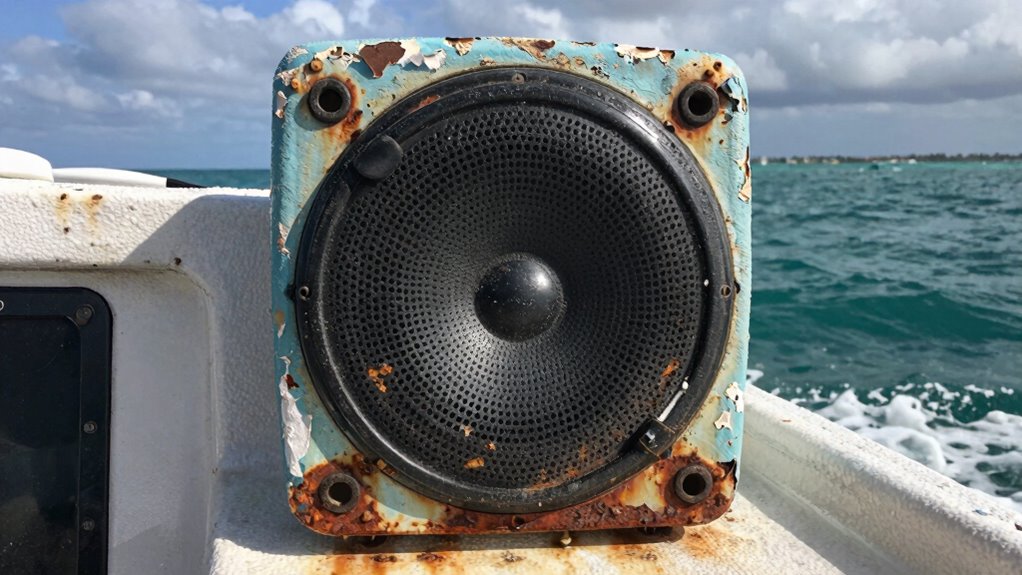
Marine environments pose several harsh challenges to speakers, primarily due to constant exposure to moisture, salt, and sunlight. These conditions demand high corrosion resistance from materials to prevent rust and degradation. Without it, metal parts can quickly corrode, compromising the speaker’s integrity. Material durability is equally critical, ensuring the speaker can withstand the relentless assault of salty air and ultraviolet rays. Weak or low-quality components may crack, warp, or deteriorate prematurely. Corrosion can also lead to electrical failures, making it essential to select components with corrosion-resistant coatings. To combat these issues, marine speakers are designed with corrosion-resistant coatings and sturdy, weatherproof materials. This corrosion resistance is vital for maintaining functionality over time, especially in salt-laden air. Properly sealed enclosures and waterproof designs further enhance longevity by preventing moisture ingress. This resilience helps extend their lifespan and maintain sound quality even in tough conditions. Choosing speakers built with enhanced corrosion resistance and durable materials is essential for long-term performance in marine environments. Additionally, implementing proper maintenance routines can significantly prolong the life of marine speakers.

Pyle 6.5 Inch Dual Marine Speakers – 2 Way Waterproof and Weather Resistant Outdoor Audio Stereo Sound System with 200 Watt Power, Poly Carbon Cone and Butyl Rubber Surround – 1 Pair (White)
200 WATTS POWER: The speaker has a 20 Oz. circuit magnet for a full range audio and complete…
As an affiliate, we earn on qualifying purchases.
As an affiliate, we earn on qualifying purchases.
How Saltwater, Humidity, and UV Rays Damage Marine Speakers
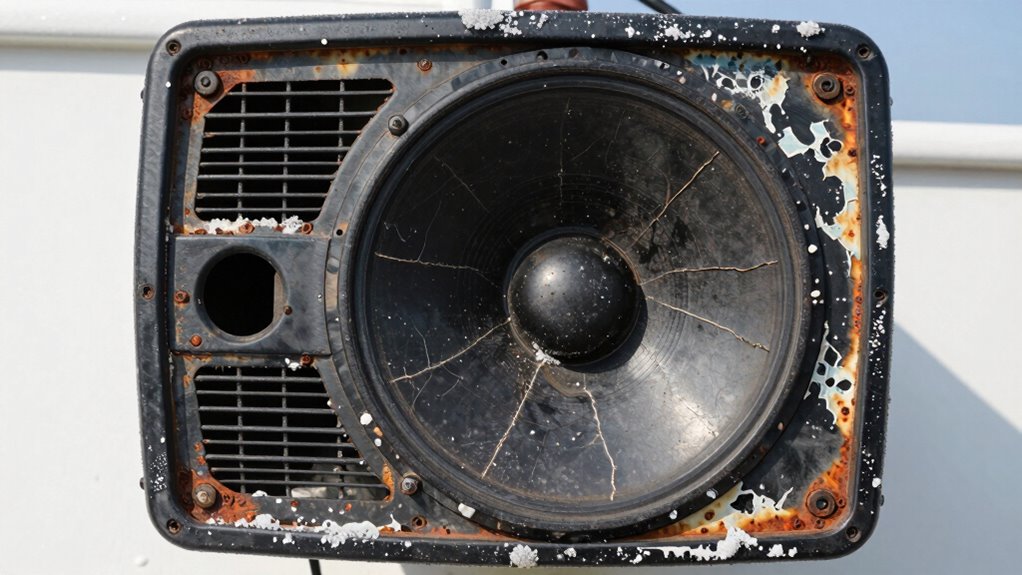
Saltwater, humidity, and UV rays relentlessly attack marine speakers, causing rapid deterioration if you don’t take proper precautions. Saltwater accelerates corrosion, damaging internal components and wiring, making corrosion prevention essential. Humidity promotes mold and mildew growth, weakening speaker materials over time. UV rays degrade the speaker’s outer surfaces, causing fading, cracking, and brittleness. To combat these effects, choose speakers with a weatherproof design that offers robust protection against moisture and UV exposure. Regularly rinsing your speakers with fresh water helps remove salt buildup, while applying UV-resistant coatings prolongs their lifespan. Properly sealed enclosures and corrosion-resistant hardware further prevent early failure. Additionally, understanding auditory processing disorders can help in selecting speakers that accommodate specific hearing needs, reducing the risk of damage caused by improper use. Investing in weatherproofing techniques and routine maintenance can significantly extend the life of marine speakers, protecting them from environmental stressors. Using protective coatings adds an extra layer of defense against environmental damage, further extending their durability. Incorporating environmental stressors awareness into your maintenance routine can help identify potential issues before they lead to early failure. Regular inspections and prompt repairs form a crucial part of preventive maintenance to ensure longevity. By investing in weatherproof equipment and maintenance, you substantially reduce the risk of damage caused by environmental factors.
Pyle 6.5 Inch Dual Marine Speakers – 2 Way Waterproof and Weather Resistant Outdoor Audio Stereo Sound System with 200 Watt Power, Poly Carbon Cone and Butyl Rubber Surround – 1 Pair (White)
200 WATTS POWER: The speaker has a 20 Oz. circuit magnet for a full range audio and complete…
As an affiliate, we earn on qualifying purchases.
As an affiliate, we earn on qualifying purchases.
Why Rough Handling and Vibration Cause Early Speaker Failures
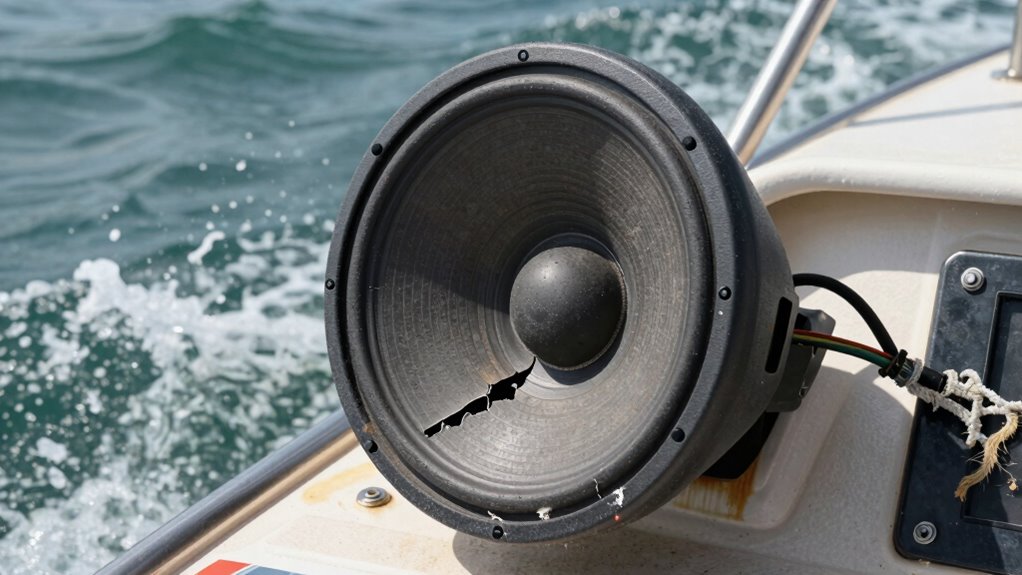
Exposure to harsh environmental factors like saltwater, humidity, and UV rays can weaken the structure of marine speakers over time. But vibration effects and handling impact also play a vital role in early failure. When your boat hits choppy waters or rough terrain, constant vibrations strain the speaker components, causing the adhesives and diaphragms to loosen or crack. Rough handling, like dropping or improper mounting, can damage delicate parts instantly or weaken them over time. These impacts accelerate wear and tear, leading to distortion or complete failure much sooner than expected. To prevent this, make certain your speakers are securely mounted and designed to withstand vibration effects. Proper handling and installation are key to extending their lifespan in the challenging marine environment.

Rockville RXM8BTB 1500W Peak/750W RMS 8-Channel Marine Amplifier, Bluetooth, Class D, Compact, Saltwater Resistant for Boats and Marine Audio Systems
POWERFUL AUDIO PERFORMANCE:- Delivers 1500W peak and 750W RMS across 8 channels, with 65W x 8 at 4…
As an affiliate, we earn on qualifying purchases.
As an affiliate, we earn on qualifying purchases.
How to Choose Durable Marine Speakers That Last Season After Season
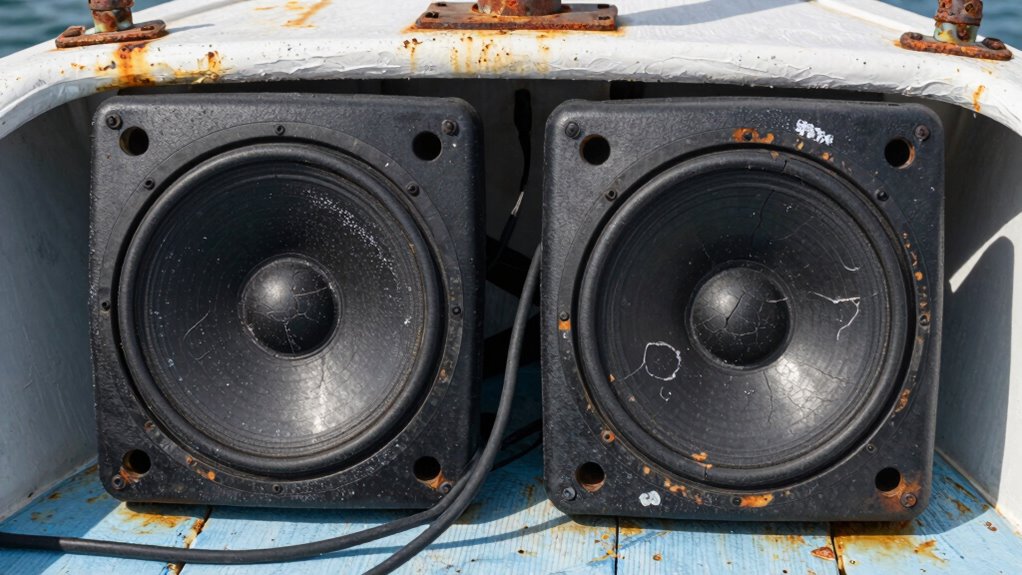
Choosing durable marine speakers starts with paying attention to material quality and waterproof construction, which safeguard against harsh conditions. Proper installation is also crucial to prevent early failures and extend their lifespan. When these factors align, your speakers will perform reliably season after season. Additionally, selecting speakers with urban traffic confidence features can help ensure better durability in unpredictable environments. Incorporating corrosion-resistant materials can further enhance their longevity by protecting against saltwater and humidity. Moreover, selecting speakers designed with marine-grade components ensures they are built to withstand the unique challenges of aquatic environments. Regular maintenance and cleaning can also significantly contribute to their long-term durability and consistent performance. Using high-quality mounting hardware can prevent accidental damage and improve overall stability, prolonging the life of your speakers.
Material Quality Matters
When selecting marine speakers, the material quality plays a crucial role in guaranteeing they withstand harsh conditions and last for multiple seasons. Look for speakers with high-quality material composition, which resist corrosion and UV damage. Manufacturing standards also matter; reputable brands adhere to strict protocols that guarantee durability. To visualize, consider the following:
| Material Type | Benefits |
|---|---|
| Marine-grade Polymer | Corrosion-resistant, lightweight |
| Stainless Steel | Durable, rust-proof |
| Aluminum | Lightweight, good heat dissipation |
| Polypropylene | Weather-resistant, impact-resistant |
Choosing speakers built with these materials and standards ensures longevity, helping you enjoy your time on the water without worry. Additionally, understanding material durability can help you make informed choices and ensure your investment lasts. It is also important to consider the manufacturing standards employed by brands to guarantee the quality and durability of the speakers you select. Prioritize material quality for lasting performance season after season.
Waterproof Construction Critical
Ensuring your marine speakers have waterproof construction is essential for lasting performance on the water. You need speakers built with corrosion resistance in mind, since saltwater and humidity can rapidly degrade inferior materials. When selecting speakers, pay close attention to material selection; high-quality plastics, stainless steel, and sealed rubber components prevent water ingress and resist corrosion. Look for models with sealed enclosures or IP ratings indicating water resistance, which helps keep moisture out. Avoid speakers with exposed wiring or vulnerable seams, as these are common points for water to penetrate. Durable construction guarantees your speakers withstand the harsh marine environment and continue delivering clear sound season after season. Proper material choices and waterproof design are your best defenses against early failure. Additionally, choosing corrosion-resistant materials can significantly extend the lifespan of your speakers in corrosive marine environments. Regular maintenance and rinsing with fresh water after exposure to saltwater also help preserve the integrity of the waterproof features. Incorporating marine-grade components ensures your speakers maintain performance despite the challenging conditions. For optimal longevity, consider sealing techniques that further protect internal parts from moisture intrusion.
Proper Installation Ensures Longevity
Proper installation is essential for your marine speakers to last through multiple seasons. Correct speaker placement prevents water exposure and minimizes vibration damage. When installing, consider the following:
- Speaker Placement: Position speakers away from direct water spray and in stable locations to reduce movement. Proper speaker placement can significantly extend the lifespan of your marine audio system. Additionally, choosing locations with natural air circulation helps prevent moisture buildup around your speakers. Ensuring adequate ventilation around the speakers is also crucial for moisture control.
- Cable Routing: Use waterproof, marine-grade cables and route them neatly to avoid pinching or chafing, which can cause shorts.
- Sealing and Mounting: Make certain all mounting surfaces are sealed properly and screws are tight to prevent water ingress.
- Environmental Protection: Be aware of the marine environment, as exposure to saltwater and UV rays can accelerate wear if proper precautions are not taken. Regular maintenance and protective covers can further enhance durability.
Best Maintenance Tips to Protect and Extend Your Marine Audio System
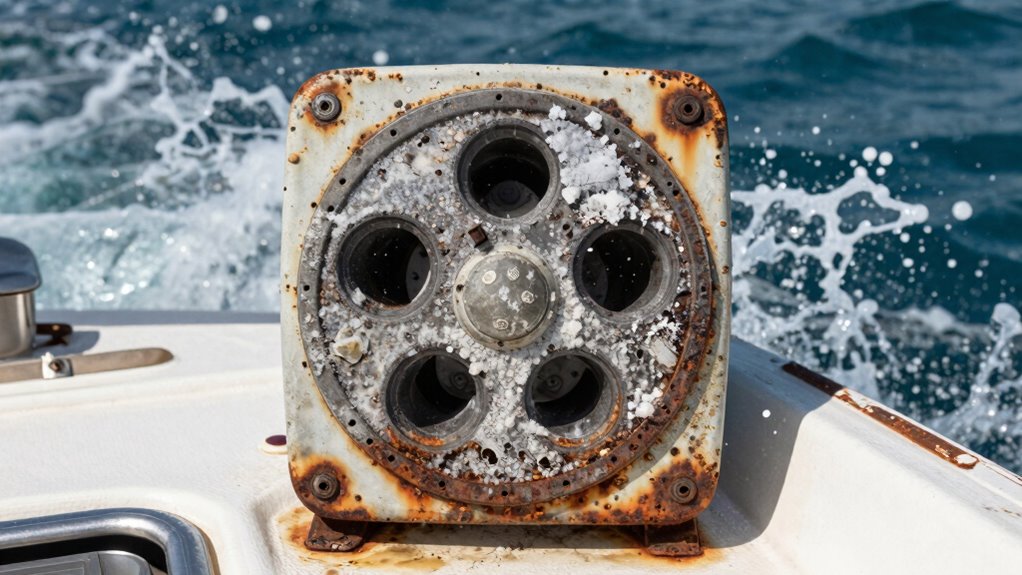
Regular maintenance is essential to keep your marine speakers functioning at their best and prevent early failure. Start with regular marine cleaning to remove salt, dirt, and debris that can cause corrosion or damage. Use fresh water and a soft cloth to gently wipe down your speakers after each outing. Proper storage techniques are equally important—when not in use, cover your speakers with waterproof covers and store them in a cool, dry place to prevent moisture buildup. Avoid exposing them to direct sunlight for extended periods, which can degrade materials. Check seals and wiring periodically for signs of wear or corrosion. Additionally, maintaining good air quality considerations around your system can help prevent dust and moisture buildup, extending the lifespan of your equipment. Ensuring proper ventilation in storage areas can also help reduce moisture accumulation that might otherwise damage sensitive components. Incorporating regular inspections into your maintenance routine can further identify potential issues early, saving costs and prolonging speaker life. These simple maintenance habits extend the lifespan of your marine audio system, ensuring reliable performance season after season.
How to Install Marine Speakers Properly for Long-Term Reliability
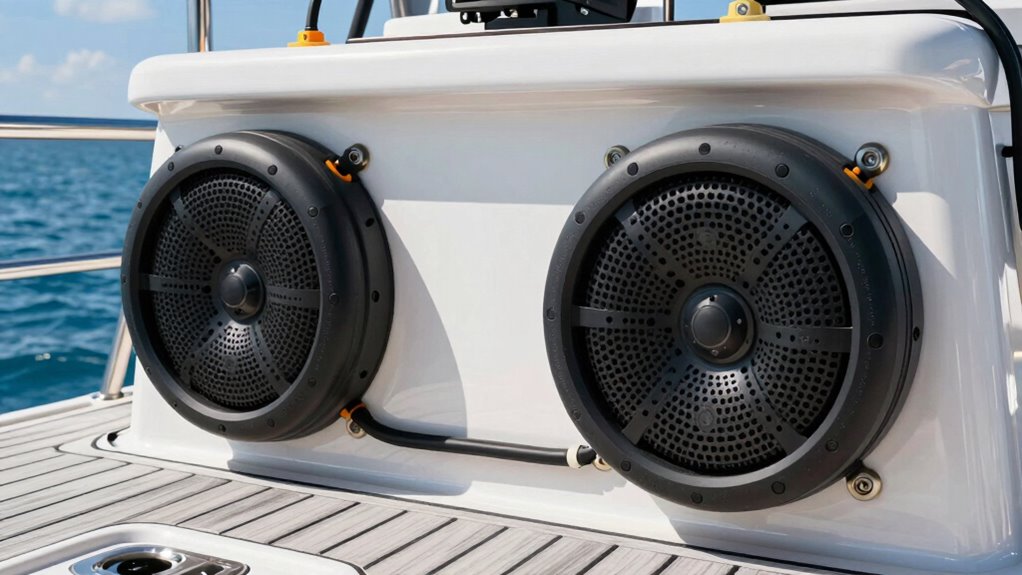
To get the most out of your marine speakers and prevent early failure, correct installation is key. First, guarantee you use mounting techniques that promote corrosion resistance, like stainless steel or marine-grade hardware, to withstand harsh environments. Second, seal all electrical connections with marine-grade waterproof connectors and dielectric grease, preventing moisture ingress. Third, choose a sturdy, vibration-resistant mounting location that minimizes movement and stress on your speakers. Properly sealed enclosures and secure mounting will reduce the risk of water damage and mechanical failure. By focusing on corrosion-resistant materials and precise mounting techniques, you’ll maximize your speakers’ lifespan and enjoy consistent, reliable performance on the water.
Common Signs Your Marine Speakers Are Failing and What to Do
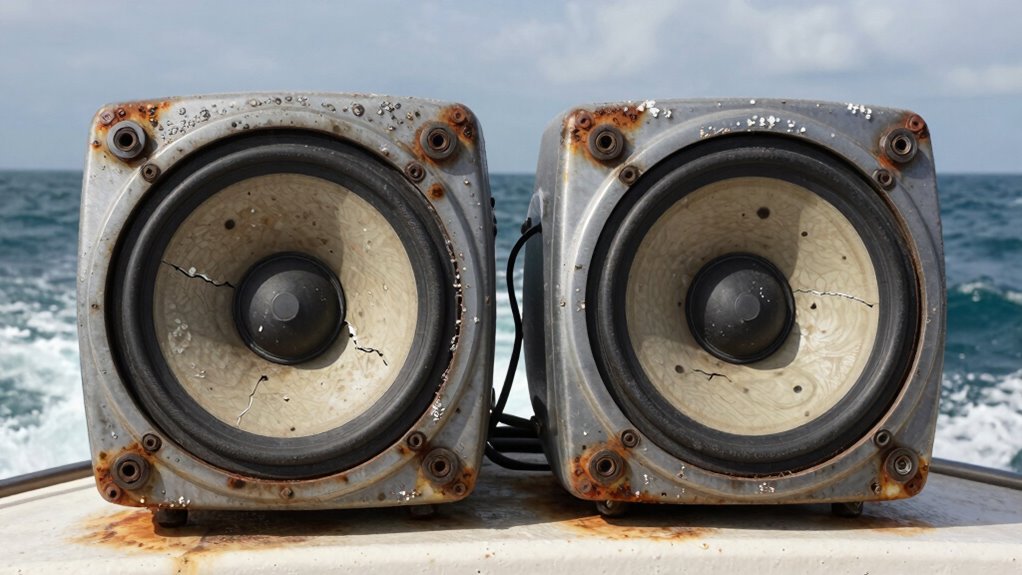
You might notice your marine speakers producing unusual sound distortions or a decline in volume. Visible physical damage like cracks or corrosion is a clear warning sign, and you may also experience decreased sound output overall. Addressing these issues early can help prevent complete failure and keep your boat’s audio system in top shape.
Unusual Sound Distortions
Have you noticed your marine speakers producing unusual sound distortions? These can be signs of underlying issues like sound wave interference or poor speaker enclosure design. To diagnose, consider these points:
- Unclear audio or crackling sounds may indicate sound wave interference caused by nearby electronics or improper speaker placement.
- Distorted bass or muffled treble could be due to inadequate speaker enclosure design, which affects sound quality and durability.
- Persistent rattling or buzzing might suggest loose components or damage within the speaker system, which amplifies distortions.
Addressing these problems involves ensuring proper speaker placement to minimize sound wave interference and choosing speakers with robust enclosure designs suited for marine environments. Regular maintenance can also prevent distortions from escalating.
Visible Physical Damage
Visible physical damage is often the first sign your marine speakers are failing. Regular visual inspection helps you catch issues early, such as cracks, tears, or dents in the speaker cones and surrounds. Look for corrosion, especially around the metal parts, which indicates moisture exposure. Corrosion prevention is essential; applying protective coatings or sealants can minimize water intrusion and rust. Check the mounting brackets and grill for signs of rust or looseness. Damaged or missing parts not only affect sound quality but also allow water to enter, accelerating deterioration. Address any physical damage promptly to prevent further issues. Keeping your speakers in good condition through regular visual inspection and corrosion prevention extends their lifespan and ensures reliable performance on the water.
Decreased Sound Output
When physical damage begins to take its toll, it often manifests as a noticeable decrease in sound output. You might notice your speakers sound muffled, weak, or uneven. To address this, start by checking for corrosion prevention issues, as corrosion on wiring or connectors can diminish sound quality. Next, verify your sound calibration settings, ensuring they’re correctly adjusted for your environment. Lastly, examine the speaker cones for damage or debris that could hinder sound projection. If corrosion is present, clean and protect the connections to restore performance. Proper sound calibration helps optimize clarity and volume. Regular maintenance, including cleaning and inspecting for corrosion, is essential to prevent early failure and keep your marine speakers performing at their best.
Final Tips for Keeping Your Marine Speakers Sounding Great
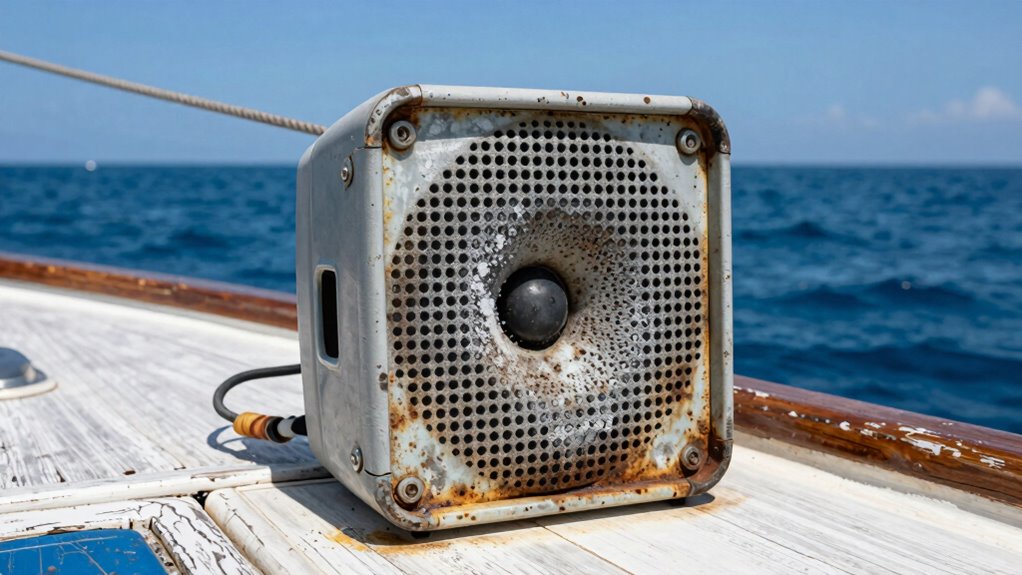
To keep your marine speakers sounding great for as long as possible, regular maintenance and careful handling are essential. Protect your marine audio system by cleaning the speakers gently and avoiding harsh chemicals. Ensure covers or grills remain intact to prevent debris buildup. Store spare parts in a dry, cool place, and check wiring connections periodically. Properly ventilate your boat to reduce humidity, which can damage speaker components. Here’s a quick guide:
| Tip | Action | Benefits |
|---|---|---|
| Regular Cleaning | Wipe with damp cloth | Maintains clarity |
| Cover When Not in Use | Use protective covers | Prevents damage from elements |
| Check Connections | Inspect wiring regularly | Guarantees ideal sound quality |
| Avoid Excessive Volume | Limit loudness levels | Extends speaker lifespan |
| Proper Storage | Keep spare parts dry | Prevents deterioration |
Following these tips helps preserve your marine audio and maximizes your speaker’s lifespan.
Frequently Asked Questions
How Often Should I Replace My Marine Speakers?
You should replace your marine speakers every 3 to 5 years, depending on usage and maintenance. Regular marine speaker maintenance helps extend their lifespan, but water resistant materials can only do so much against constant exposure to saltwater and sun. Keep them clean, guarantee proper sealing, and store them properly during off-season. If you notice distortion or corrosion, it’s time to replace them to maintain sound quality and prevent further damage.
Can I Upgrade My Marine Speakers Without Rewiring?
Yes, you can upgrade your marine speakers without rewiring if your new speakers match the existing wiring connections and power requirements. However, for marine speaker upgrades, wiring considerations are vital. Make certain your current wiring can handle the improved speakers’ power needs to prevent issues like poor sound quality or early failure. If in doubt, consult a marine audio professional to verify compatibility and avoid potential wiring problems.
What Is the Average Lifespan of Marine Speakers?
Marine speakers typically last around 3 to 5 years, but water damage and corrosion can shorten that lifespan. To get the most out of your speakers, regularly check for signs of water intrusion and keep them well-sealed. Use corrosion prevention measures like dielectric grease and rinse them with fresh water after exposure to saltwater. Proper maintenance helps prevent early failure and extends their durability on your boat.
Are There Specific Brands Known for Durability?
You’ll find that brands like JL Audio and Fusion are known for durability, thanks to their strong reputation and high material quality. An interesting stat shows that speakers made with marine-grade materials last up to 50% longer in harsh environments. Selecting these brands guarantees you get reliable performance and withstands exposure to salt, sun, and moisture. Prioritizing brand reputation and material quality keeps your marine speakers sounding great longer.
How Do I Troubleshoot Sound Issues in My Marine Audio System?
To troubleshoot sound issues in your marine audio system, start by checking for water damage, which can corrode connections and speakers. Next, inspect wiring issues like loose or frayed cables that may disrupt sound. Confirm all connections are secure, dry, and properly insulated. Test the system with a different device or source. If problems persist, consider consulting a marine audio specialist to diagnose hidden issues and prevent early failures.
Conclusion
Just like Odysseus steering treacherous waters, you must stay vigilant to protect your marine speakers. Regular maintenance, careful installation, and choosing resilient models keep your audio system sailing smoothly through storms and serenity alike. Remember, the sea tests even the strongest vessels—so, too, will your speakers face challenges. By staying proactive and attentive, you’ll guarantee your sound remains clear and vibrant, echoing the timeless promise of enduring quality amid life’s unpredictable tides.