To guarantee safety with your marine water heater, pressure relief valves are essential as they prevent dangerous pressure buildup that could cause leaks or tank failure. Scald prevention devices, like automatic temperature controls, protect passengers from burns by maintaining safe water temperatures. Regularly inspecting, maintaining, and verifying proper installation of these safety components are key to reliable operation. Keep exploring to discover more about keeping your marine water heater secure and efficient.
Key Takeaways
- Pressure relief valves prevent dangerous pressure buildup, safeguarding marine water heater tanks from leaks and failure.
- Automatic temperature controls and sensors reduce scald risks by maintaining safe water temperatures.
- Proper installation, regular inspection, and maintenance ensure safety devices function reliably in marine environments.
- Compliance with safety standards and certifications helps ensure pressure relief and scald prevention systems are effective.
- Troubleshooting signs like leaks, noises, or temperature fluctuations indicate maintenance needs to prevent safety hazards.

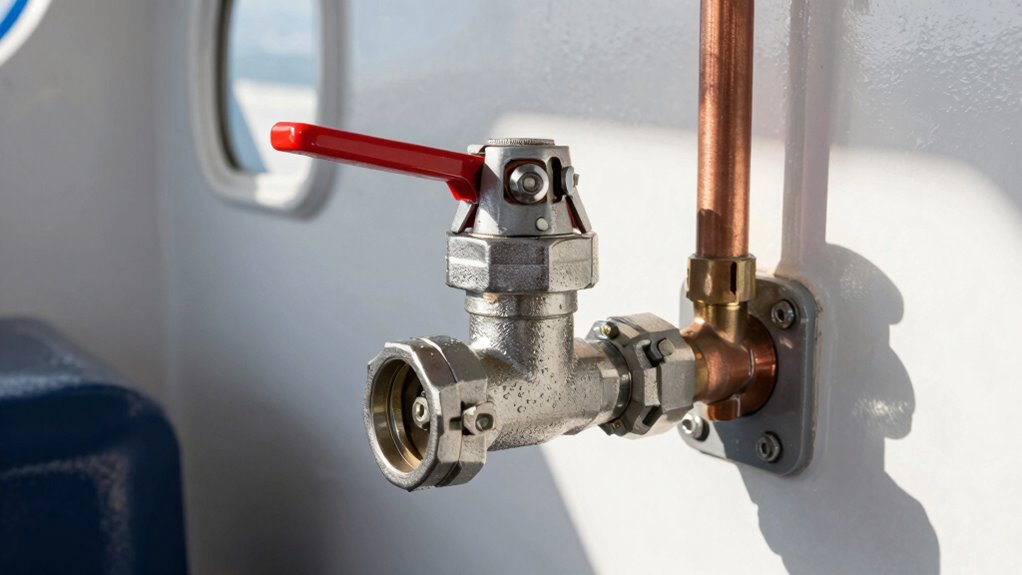
Camco Automatic Temperature and Pressure Relief Valve with Extension Probe and Lever | Features an All Brass Body with a Stainless Steel Pressure Spring | (10473)
Provides Protection: Helps protect your RV or home water heater from excess temperature and water pressure
As an affiliate, we earn on qualifying purchases.
As an affiliate, we earn on qualifying purchases.
Why Are Pressure Relief Valves Essential for Marine Water Heaters?
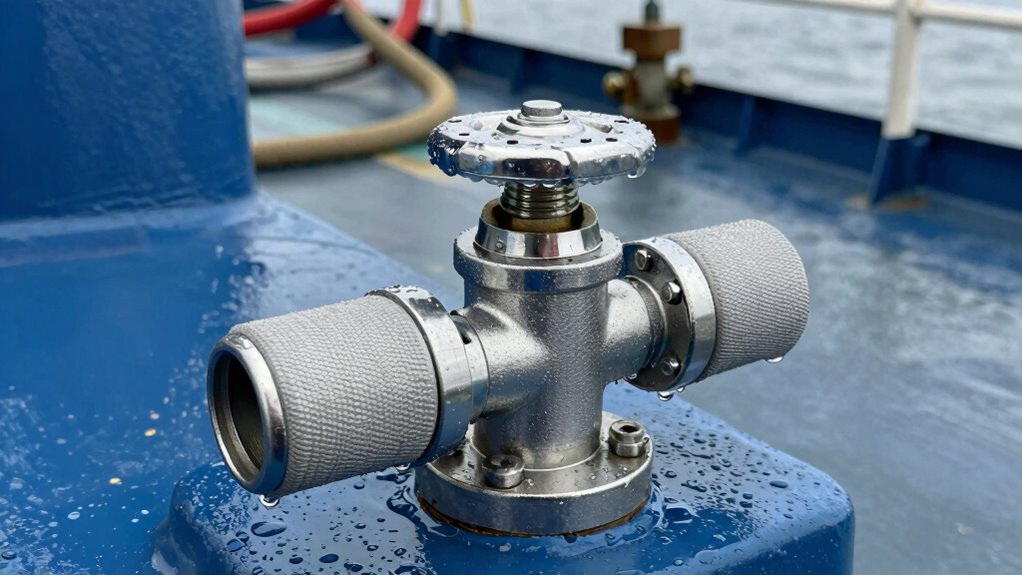
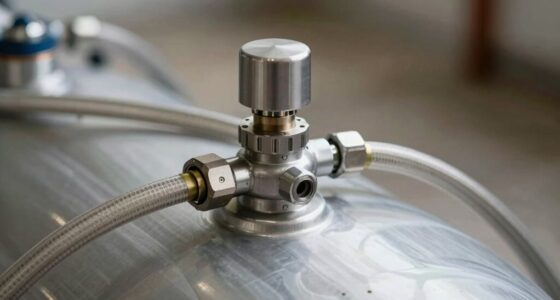
Pressure relief valves are essential for marine water heaters because they prevent dangerous pressure buildup inside the tank. When water heats, it expands, increasing pressure that, if unchecked, can cause leaks or tank failure. Marine corrosion can weaken the tank’s structure over time, making it even more critical to maintain proper pressure levels. If the heater capacity exceeds the vessel’s specifications or becomes compromised, pressure can rise rapidly, risking safety. The relief valve acts as a safeguard, releasing excess pressure before it reaches dangerous levels. Proper maintenance of pressure relief systems ensures they function correctly over time. Regular inspections of pressure relief valves help identify potential issues early, preventing failures. This not only protects your vessel and crew but also extends the lifespan of your water heater. Ensuring reliable pressure relief is crucial for safe, efficient, and durable marine water heating systems.

UMLIFE 2PCS Temperature Controller -50 to 110 Celsius (-58 to 230 F) DC 12V Programmable Heating/Cooling Thermostat Control Switch Module NTC Waterproof Sensor Probe Dual Color LED Display Monitor
❃❃Dual color LED display: this digital thermostat control module of dual color LED display, which show the measured…
As an affiliate, we earn on qualifying purchases.
As an affiliate, we earn on qualifying purchases.
What Are the Key Features of Marine Pressure Relief Valves?
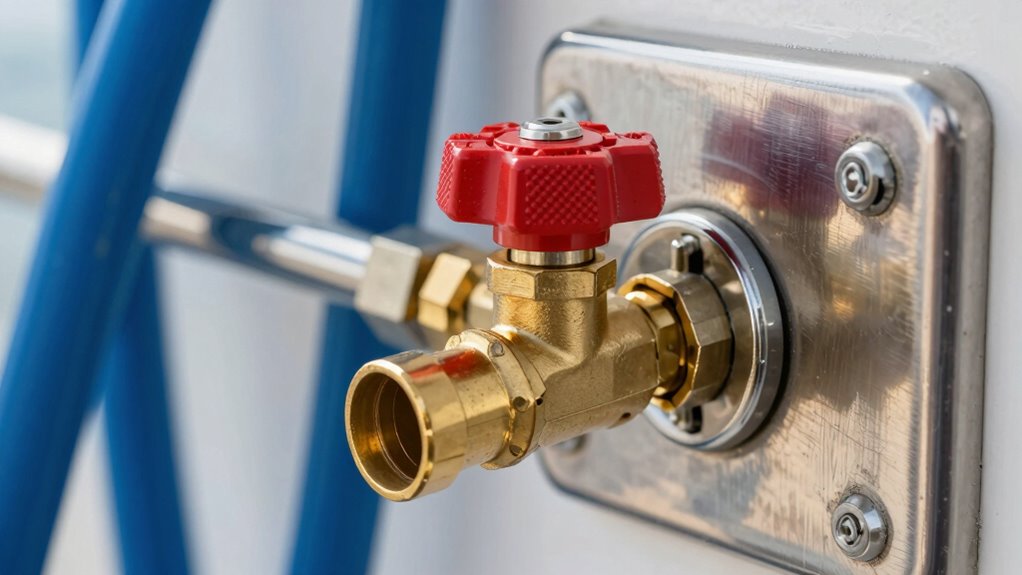
Understanding the key features of marine pressure relief valves helps guarantee your water heater operates safely. You’ll want to pay attention to pressure settings control, which maintains safe pressure levels, and the discharge mechanism function, which releases excess pressure effectively. These features are vital for reliable performance and safety on your vessel. Incorporating biosensors can provide real-time monitoring of water temperature and pressure, further enhancing safety measures.
Pressure Settings Control
Marine pressure relief valves are designed to protect your water heater by automatically releasing excess pressure, ensuring safe operation. The pressure settings control is essential for maintaining maximum safety and performance. When adjusting these valves, consider these key features:
- Precise pressure monitoring to prevent over-pressurization.
- Adjustable pressure settings for tailored safety margins.
- Built-in temperature regulation to avoid scalding risks.
- Clear calibration markers for easy and accurate adjustments.
- The Material composition influences pressure fidelity and durability under marine conditions. Additionally, understanding marine environment factors helps optimize valve performance and longevity. Proper maintenance routines can further enhance valve reliability in challenging conditions, especially considering the unique challenges posed by marine conditions on component lifespan.
Discharge Mechanism Function
The discharge mechanism in marine pressure relief valves plays a essential role in safeguarding your water heater by allowing excess pressure to escape effectively. The valve mechanism is designed to open automatically when pressure exceeds safe limits, ensuring your system doesn’t over-pressurize. Its discharge function is critical for maintaining safety, as it releases water or steam to prevent potential damage or failure. When pressure builds up, the valve mechanism responds quickly, opening a pathway for excess pressure to vent out. This process prevents dangerous situations like ruptures or explosions. The key features include reliability, prompt response, and secure sealing after discharge. Understanding how the discharge mechanism works helps you guarantee your marine water heater remains safe and operates efficiently under various pressure conditions. Additionally, incorporating protective gear such as safety valves and pressure relief devices enhances overall safety during operation. Proper maintenance and regular testing of the pressure relief valve are essential to ensure it functions correctly when needed. Regular inspection of the discharge mechanism ensures it remains free of debris and corrosion, maintaining optimal performance. Being aware of pressure fluctuation patterns can help in anticipating when the valve may need servicing or adjustment. Moreover, awareness of valve wear and tear can aid in preventing unexpected failures and maintaining system integrity.
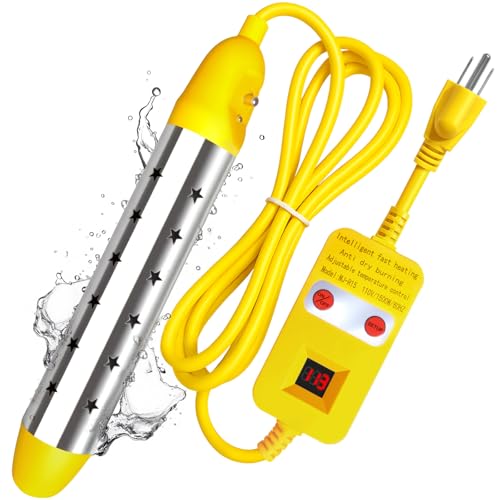
Portable Immersion Water Heater 1500W – Submersible Bucket Heater with Thermostat & LED Temp Display, Dry-Burn Protection, Fast Heating Water Heater for Bathtub Hot Tub Camping RV Home
Smart Temp Control (68°F-194°F): Easily set water temp with 15 presets for bucket heater, bathtub heater, RV, camping,…
As an affiliate, we earn on qualifying purchases.
As an affiliate, we earn on qualifying purchases.
How Do Scald Prevention Devices Keep Passengers Safe?
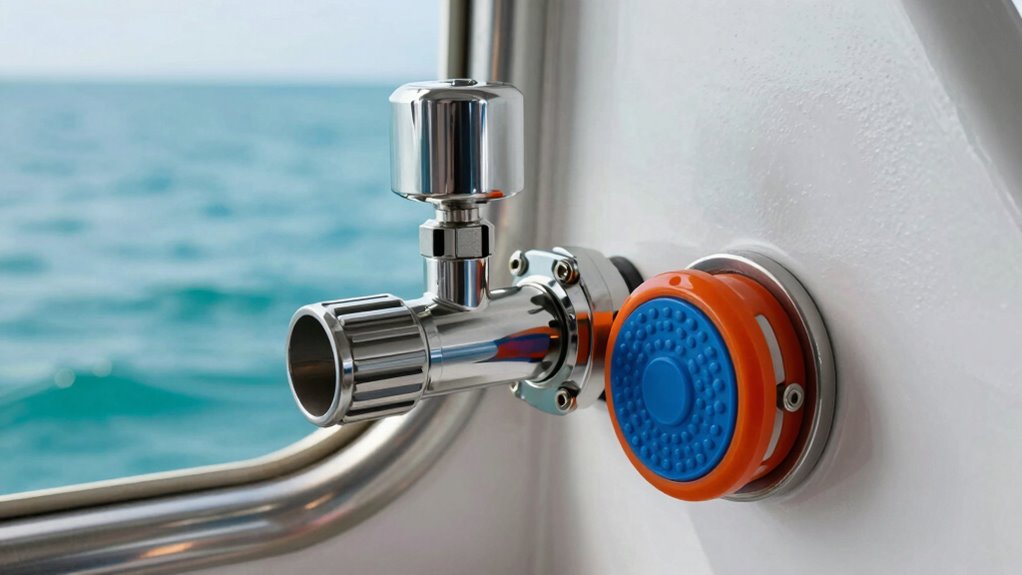
Scald prevention devices protect you by automatically controlling water temperature to prevent burns. Safety pressure valves release excess pressure, reducing the risk of accidents. Together, these features keep passengers safe while enjoying hot water onboard. Regular maintenance of these household safety devices ensures they function properly and continue to provide protection. Properly functioning devices are especially important in free floating systems where water temperatures can fluctuate unexpectedly. Well-maintained pilot shirts for men aviator also contribute to overall safety by ensuring clear communication and comfort for crew members. Additionally, selecting the appropriate battery inverter generator can ensure reliable power supply for essential safety systems onboard. Understanding market trends in safety technology can help in choosing the most effective devices for your system.
Automatic Temperature Control
Have you ever wondered how water heaters on ships prevent passengers from getting burned? Automatic temperature control plays a key role in this. It ensures consistent temperature regulation, reducing the risk of scalds. Here’s how it works:
- Sensors constantly monitor water temperature.
- The system adjusts heating elements to keep water within a safe range.
- If water gets too hot, the device automatically reduces power.
- Passengers enjoy enhanced user convenience with reliable, safe hot water.
- Safety mechanisms are integrated to automatically shut off the system in case of malfunctions, further enhancing passenger protection.
- These temperature regulation systems are designed to respond swiftly to changes, ensuring continuous safety during operation. Incorporating automatic safety features helps prevent potential hazards and maintains system integrity. Proper pressure release mechanisms also work in tandem to prevent overpressure situations, adding an extra layer of safety.
This technology simplifies operation, so you don’t have to manually adjust settings, making it safer and more efficient. Automatic temperature control maintains ideal water temperature, minimizes accidents, and provides peace of mind during your voyage. It’s an essential feature for safe, comfortable marine water heating systems. Additionally, system reliability is crucial to ensure consistent performance and passenger safety.
Safety Pressure Valves
Ever wondered how ships prevent dangerous pressure build-ups in water heating systems? Safety pressure valves play a vital role by releasing excess pressure before it causes damage or hazards. These valves are designed to open automatically when pressure exceeds safe limits, protecting passengers and crew from scalds and explosions. To guarantee reliable operation, proper water filtration prevents debris from clogging the valve, maintaining its responsiveness. Water filtration systems are essential to ensure that foreign particles do not impair valve function, which could lead to failure. Marine corrosion can threaten valve integrity, so high-quality materials are used to withstand harsh conditions. Regular inspection and maintenance keep these safety devices functioning correctly. Additionally, understanding the importance of maintenance helps ensure these safety devices operate effectively over time. Proper corrosion resistance is crucial for extending the lifespan of safety valves in marine environments. Implementing preventive measures further enhances the durability and reliability of these safety devices. By controlling pressure and preventing corrosion-related failure, safety pressure valves keep your marine water heater safe, efficient, and secure for everyone onboard. Moreover, utilizing advanced materials can significantly improve the longevity and performance of these critical safety components.
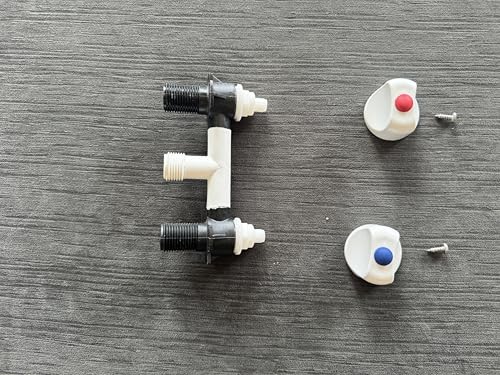
Midnight Marine AquaTik Transom 303SB / 300 Series Hot & Cold Shower System Automotive Marine Heater Craft (Replacement Shower Valve Kit & Knobs)
AquaTik Transom Showers are OEM equipment on many boats.
As an affiliate, we earn on qualifying purchases.
As an affiliate, we earn on qualifying purchases.
How to Install and Maintain Marine Safety Devices Properly
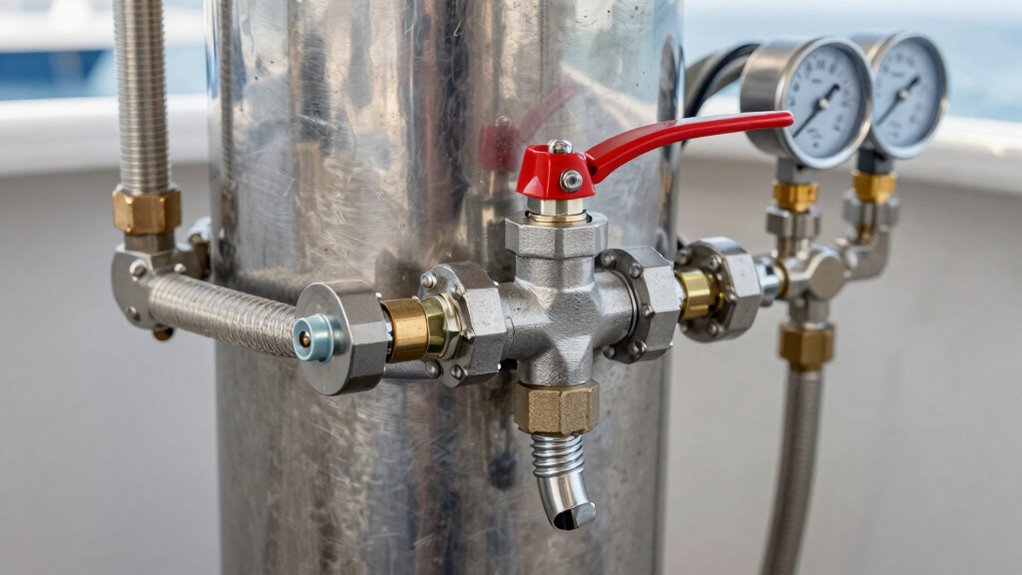
Proper installation and maintenance of marine safety devices are essential for ensuring your safety at sea. To do it right, follow these steps:
- Secure all safety devices tightly, ensuring they are properly connected and free of leaks.
- Use marine insulation materials around critical components to prevent heat loss and protect against the elements.
- Regularly inspect for signs of corrosion, and apply corrosion prevention treatments to extend device lifespan.
- Keep safety devices clean and free of debris, testing their operation periodically for reliable performance.
- Be aware of regional flavor variations and specific environmental factors that can affect the performance of your safety equipment.
Signs Your Marine Water Heater Safety Components Need Attention
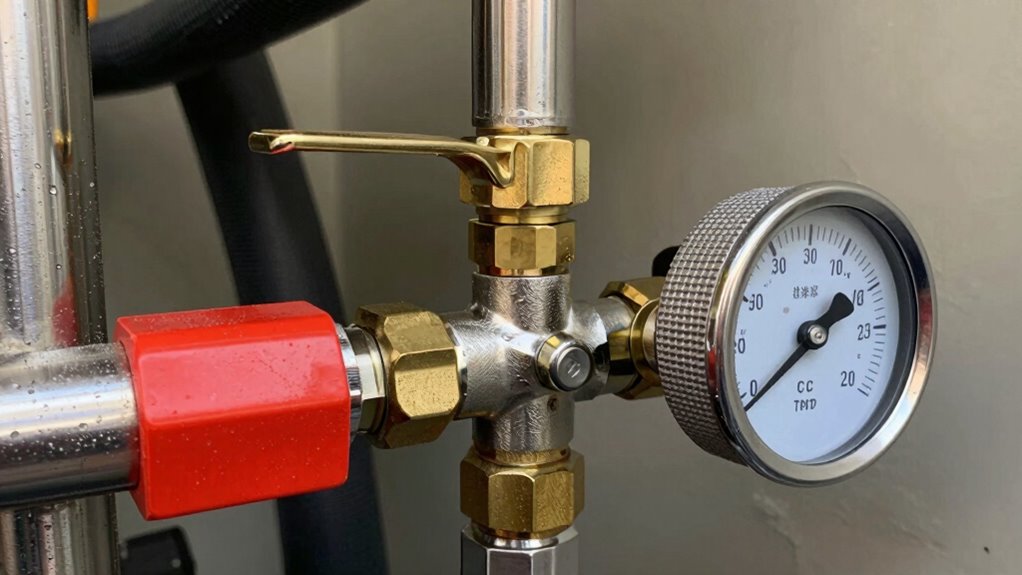
Recognizing the signs that your marine water heater’s safety components need attention is crucial for preventing potential hazards at sea. If you notice inconsistent temperature monitoring, such as hot spots or fluctuations, it could indicate that the thermostat or safety devices aren’t functioning properly. Additionally, inspect the pressure relief valve regularly—look for leaks, corrosion, or signs of wear. A malfunctioning valve might fail to release excess pressure, risking damage or explosions. Unusual noises, such as popping or hissing, can also signal issues with safety components. Promptly addressing these signs helps maintain safe operation, ensuring pressure is controlled and scalding risks are minimized. Regular valve inspection and monitoring temperature accuracy are key steps in safeguarding your vessel and crew.
What Safety Standards and Regulations Apply to Marine Water Heaters?
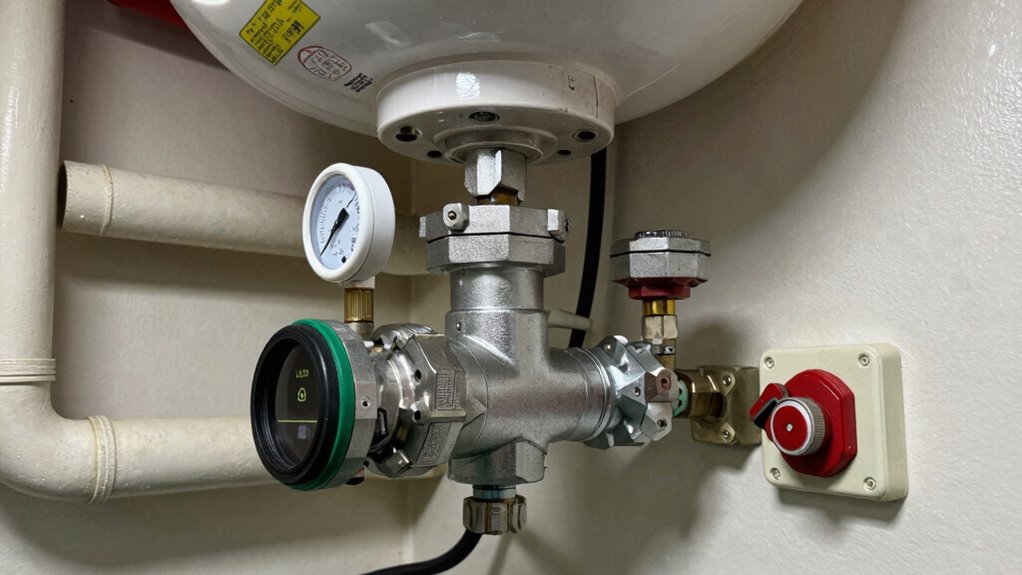
Maintaining your marine water heater’s safety components is only part of ensuring safe operation; compliance with established safety standards and regulations is equally important. To meet these requirements, you should focus on:
- Ensuring your water heater meets marine code compliance, which addresses safety and performance standards specific to marine environments.
- Verifying safety certification from recognized organizations like UL or ABS, confirming the unit has passed rigorous testing.
- Following manufacturer instructions and adhering to local maritime regulations to maintain compliance.
- Conducting regular inspections to ensure all safety devices, such as pressure relief valves, are functioning correctly and meet regulatory standards.
Adhering to these standards helps prevent accidents, ensuring your marine water heater operates safely and reliably.
Troubleshooting Common Pressure and Scalding Problems on Marine Systems
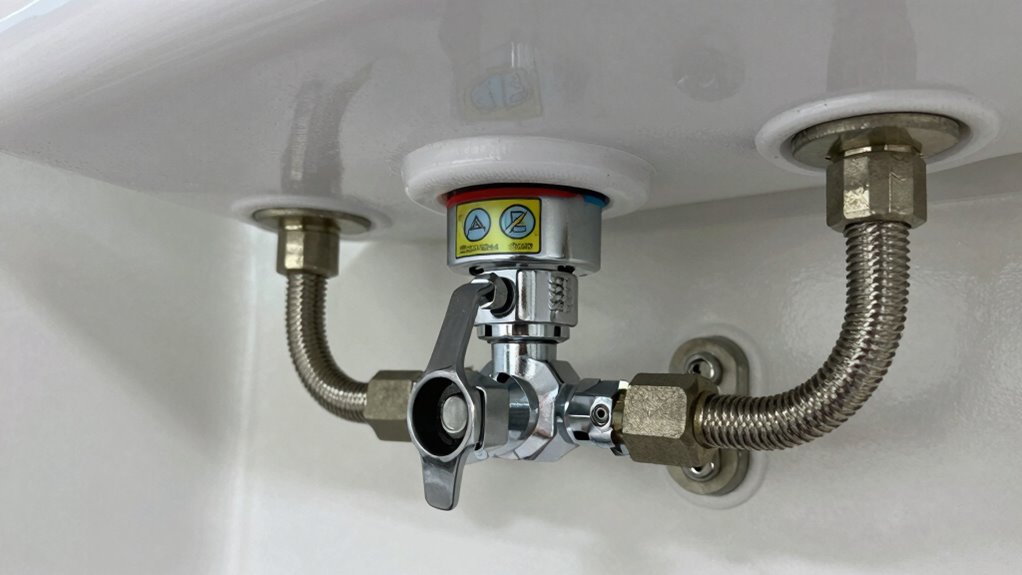
When your marine water heater starts experiencing pressure issues or delivers water that’s too hot, it can lead to safety hazards and system damage. First, check for corrosion prevention measures, as corrosion can cause valve failure or leaks that increase pressure and scald risks. Ensure the pressure relief valve functions properly, releasing excess pressure and preventing dangerous build-ups. Regularly flushing the tank can remove sediment that impairs performance and reduces energy efficiency. If the thermostat is malfunctioning, it may cause overheating; adjusting or replacing it can help maintain safe water temperatures. Keep the system insulated to improve energy efficiency and prevent rapid temperature fluctuations. Addressing these issues promptly keeps your system safe, efficient, and prolongs its lifespan.
When Should You Seek Professional Help for Marine Water Heater Issues?
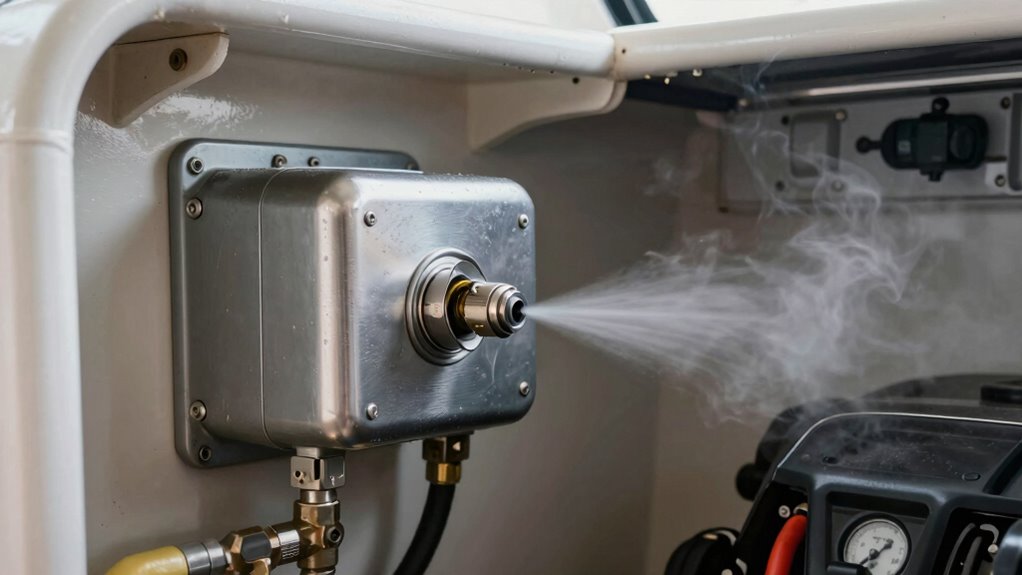
While routine troubleshooting can resolve many pressure and temperature problems, there are times when issues go beyond simple fixes. If you notice persistent leaks, strange noises, inconsistent hot water, or frequent pressure relief valve activations, it’s time to seek professional help. These signs may indicate underlying problems that could compromise safety or require complex repairs. Consider consulting a marine technician if:
- You experience ongoing pressure fluctuations or scalding risk.
- The water heater stops functioning despite basic troubleshooting.
- You’re planning boat maintenance that involves water heater upgrades or system overhaul.
- You’re unsure about diagnosing or repairing electrical or plumbing issues safely.
Addressing these problems promptly guarantees your marine water heater remains safe, efficient, and reliable on your boat.
Frequently Asked Questions
How Often Should Pressure Relief Valves Be Tested on Marine Water Heaters?
You should test the pressure relief valve on your marine water heater at least once a year. Regular valve maintenance is essential for safety protocols, preventing potential overpressure situations. When testing, gently lift the valve to ensure it releases pressure properly and resets correctly. If you notice any leaks or resistance, replace the valve immediately. Consistent testing helps keep your system safe and functioning efficiently.
Can Pressure Relief Valves Be Manually Operated or Tested?
You can manually test pressure relief valves by operating the valve manually. When you do, it’s a simple process that confirms the valve’s proper operation. Just lift the valve lever gently to see if it releases pressure and reseats properly afterward. Regular manual testing ensures the valve operation remains dependable, which is essential for safety. Always follow manufacturer instructions for testing procedures to prevent accidental damage or malfunction.
What Are the Signs Indicating a Pressure Relief Valve Is Failing?
You’ll know your pressure relief valve is failing if it leaks continuously, makes unusual noises, or doesn’t release pressure during safety tests. Regular valve maintenance and safety inspections are key to spotting these issues early. If the valve sticks or shows signs of corrosion, it’s time to substitute it. Failing valves can pose safety risks, so always address these signs promptly to ensure your water heater operates safely and efficiently.
Are There Specific Types of Scald Prevention Devices Recommended for Marine Environments?
For marine environments, you should use marine-grade devices like thermostatic mixing valves and thermal cutoff switches to prevent scalds. These devices are designed to withstand harsh conditions and guarantee safe water temperatures. Always select equipment approved for marine use, and regularly inspect and maintain them to prevent overheating or accidental scalds. Properly installed marine-grade scald prevention devices keep you safe and protect your boat’s plumbing system.
How Do Marine Water Heater Safety Features Differ From Residential Systems?
In marine environments, water heater safety features differ from residential systems mainly due to stricter safety standards. You’ll find specialized pressure relief valves designed to handle constant motion and vibration, preventing leaks and failures. Marine systems often include advanced temperature controls and scald prevention devices to account for the unique conditions at sea. These enhancements guarantee your safety and system durability, meeting the rigorous safety standards necessary for marine applications.
Conclusion
Ensuring your marine water heater has proper pressure relief and scald prevention devices isn’t just safety—it’s essential. Did you know that pressure relief valves prevent over 90% of potential boiler explosions at sea? Regularly inspect and maintain these safety components to protect yourself and your passengers. Staying proactive reduces risks and keeps your voyage smooth. Prioritize safety today; your crew’s well-being depends on it.