
Holding tank odors often come from venting problems and hose permeation. If the vent isn’t working properly, gases like methane build up and escape, causing foul smells. Similarly, permeable hoses allow gases to seep out even if the tank is sealed, releasing unpleasant odors into your environment. Fixing these issues involves ensuring proper vent placement, using low-permeability hoses, and regular maintenance. Stay with us to discover how to keep your tank fresh.
Key Takeaways
- Proper venting allows gases to escape, preventing pressure buildup and reducing odors; poor vent placement worsens smell issues.
- Hose permeation occurs when gases pass through hose materials, contributing to environmental odors even with sealed tanks.
- Inadequate venting and permeable hoses lead to strong odors escaping from the tank system into surroundings.
- Regular maintenance, correct vent sizing, and low-permeability hoses are essential to control odors effectively.
- Environmental factors like temperature and chemical exposure can increase hose permeability, intensifying odor problems.

Camco Marine Holding Tank Vent Filter Kit | Easy Install | Features granular Activated Carbon (GAC) for Maximum Odor Control (50190), Gray
Helps Eliminate Odors: Kit helps eliminate odors that are released from your boat's holding tank vent
As an affiliate, we earn on qualifying purchases.
As an affiliate, we earn on qualifying purchases.
Why Do Holding Tanks Smell? Understanding the Problem
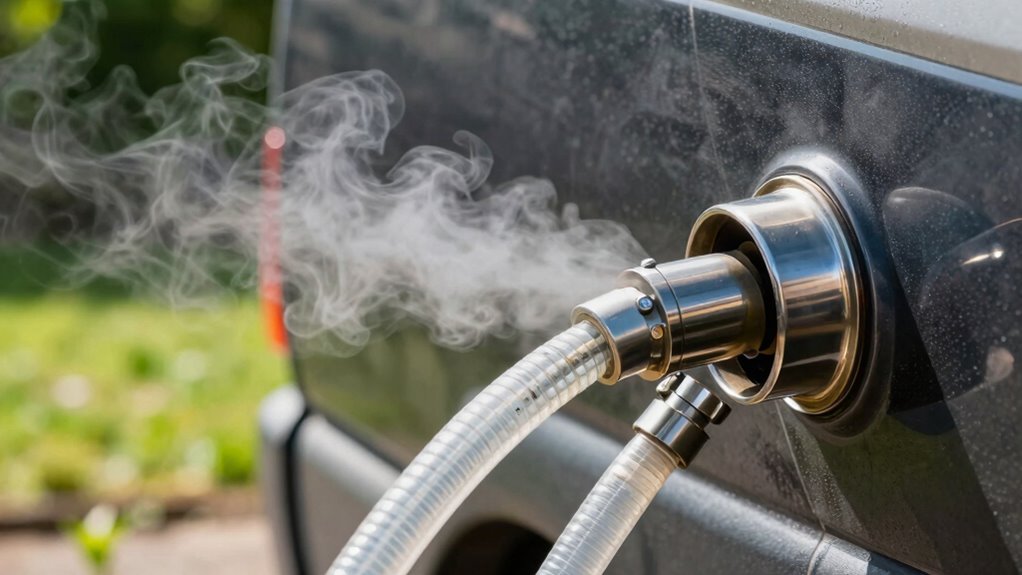
Holding tanks often emit unpleasant odors because they trap waste and buildup gases that naturally occur during decomposition. When waste accumulates without proper removal, these gases, like methane and sulfur compounds, increase pressure and produce foul smells. Regular tank cleaning is essential to reduce odors, as it helps break down residues and prevents buildup. Proper maintenance and cleaning also promote odor prevention by removing organic matter that fuels smell-causing bacteria. If you neglect tank cleaning, odors will intensify and become harder to control. Using deodorizing products and ensuring the tank is well-sealed can further minimize smells. Additionally, microplastics in dust may contribute to indoor air quality issues related to odor persistence. These factors highlight the importance of a venting system designed to safely release gases and reduce pressure buildup. Understanding the importance of consistent cleaning and maintenance is key to keeping your holding tank odor-free and functioning efficiently. Incorporating proper venting systems can also help release gases safely and reduce buildup pressure, further preventing odors.

Camco TastePURE 25-Ft Water Hose – RV Drinking Water Hose Contains No Lead, No BPA & No Phthalate – Features Diamond-Hatch Reinforced PVC Design – 5/8” Inside Diameter, Made in the USA (22783)
Premium-Grade RV Drinking Water Hose 25ft: Camco's premium-grade RV fresh water hose is constructed with NSF/ANSI 61 certified…
As an affiliate, we earn on qualifying purchases.
As an affiliate, we earn on qualifying purchases.
What Are the Main Causes of Odors in Holding Tanks? (Venting and Hose Permeation)
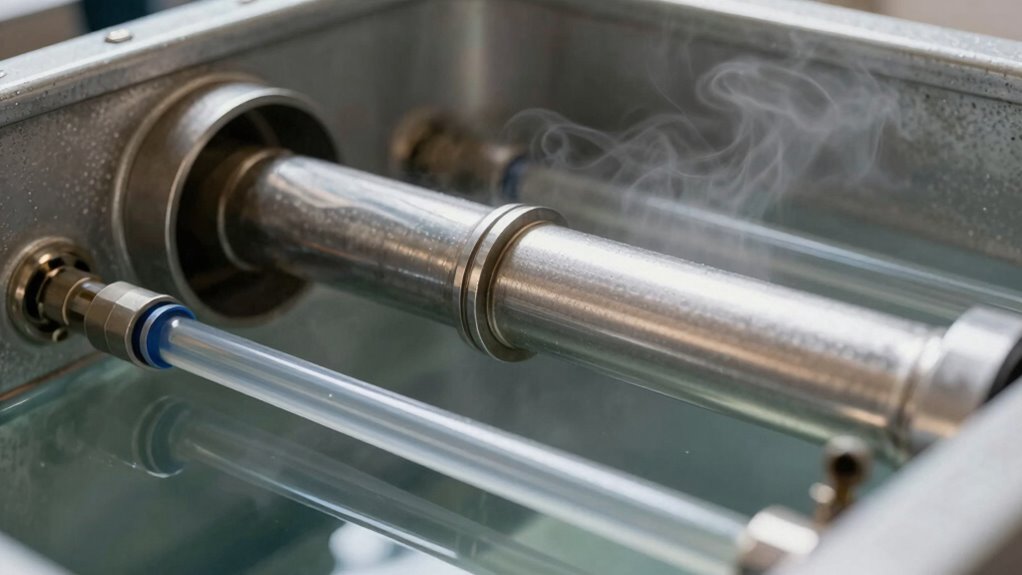
Poor venting system efficiency can cause odors to build up inside your holding tank, as gases aren’t released properly. Additionally, the material of your hoses plays a role; some permeate odors more easily than others. Understanding these factors helps you prevent unpleasant smells from spreading.
Venting System Efficiency
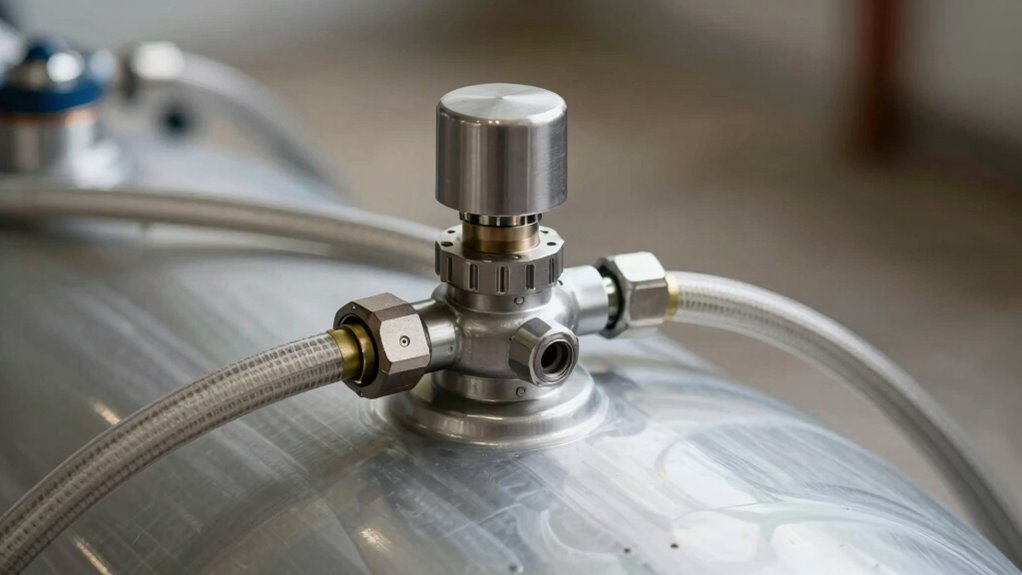
Venting system efficiency plays a crucial role in controlling odors from holding tanks, as inadequate ventilation allows gases to escape into the environment. Proper airflow optimization ensures that odors are vented effectively, reducing buildup inside the tank. Correct vent placement is essential; vents should be positioned to maximize airflow and prevent odors from escaping into your living space. If venting is inefficient, gases can stagnate, increasing odor issues. To improve performance, consider these factors:
| Venting Factor | Impact |
|---|---|
| Airflow Optimization | Ensures gases are expelled quickly, reducing odors |
| Vent Placement | Prevents odors from leaking into the environment |
| Vent Size | Adequate size supports better airflow |
Additionally, understanding vent permeation can help identify how gases escape through hose materials, further influencing odor control. Hose material permeability affects how gases pass through hoses, which can contribute to odor leaks. Recognizing ventilation system maintenance can also enhance overall efficiency by preventing blockages and ensuring consistent airflow. Regularly inspecting and cleaning venting components can eliminate obstructions that hinder airflow and impact odor control. Proper maintenance of venting systems is vital for sustained odor management, as it ensures all parts function correctly and efficiently. Optimizing these aspects keeps your holding tank odor-free and functioning efficiently.
Hose Material Permeability
Hose material permeability is a key factor in the development of odors within holding tanks, as certain materials allow gases to pass through their walls more readily than others. If your hose has high permeability, odors from the tank can seep through and escape into the environment, contributing to unpleasant smells. Some hose materials are more prone to odor absorption, which can trap smells inside, making odors worse over time. Choosing hoses with low permeability helps prevent gas transfer and reduces odor issues. Additionally, selecting materials resistant to odor absorption keeps smells contained and minimizes the need for frequent replacement or cleaning. Understanding hose material permeability helps you choose the right hose to keep odors in check and maintain a fresher, more comfortable environment.
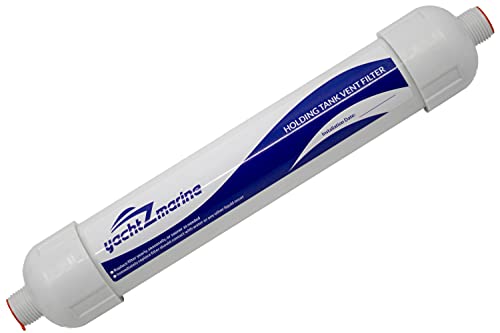
yachtZmarine – Holding Tank Vent Filter – Fits 5/8" Vent Hose Applications – Direct Generic Replacement for: Dometic, ECO, DVF, SeaLand, SaniGuard – Marine Head VacuFlush Boat Waste Filters
HAVE A STINKY BOAT? – Each time you flush, the foul smelling air trapped inside of your marine…
As an affiliate, we earn on qualifying purchases.
As an affiliate, we earn on qualifying purchases.
How Do Venting Problems Lead to Unpleasant Tank Odors?
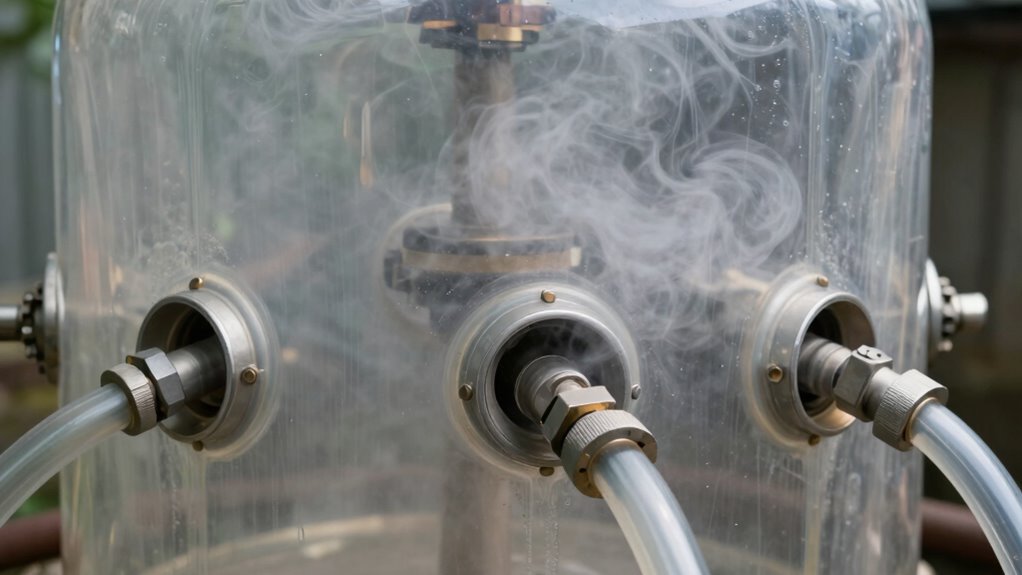
When a holding tank’s venting system malfunctions, unpleasant odors can quickly become noticeable. Without proper venting, pressure builds inside the tank, hindering tank aeration and trapping foul-smelling gases. This imbalance causes odors to escape through seals or other weak points. You might notice:
A malfunctioning vent causes odors to escape and gases to build up inside the tank.
- Strong smells seeping into your living or vehicle spaces
- Gases lingering longer due to poor airflow
- Reduced ability for gases to escape safely
- Increased odor absorption by nearby materials or surfaces
A faulty vent prevents fresh air from entering and releasing odors efficiently, leading to venting system failure. As a result, odors become concentrated, making the environment unpleasant. Proper venting ensures gases are expelled and odors are minimized, keeping your space fresh and odor-free. Ensuring your venting system is compliant with venting standards can help prevent blockages and maintain proper airflow, which is essential for effective air circulation within the tank. Additionally, regular maintenance of these systems can prevent hose permeation issues that contribute to odor escape.

Camco TST MAX RV Toilet Treatment Drop-INs – Control Unwanted Odors & Break Down Waste and Tissue – Safe Septic Tank Treatment – Orange Scent, 30-Pack (41183)
Toilet Deodorizer With Reactive Odor-Eliminating Technology: Experience a powerful RV odor eliminator that stops RV black tank odors…
As an affiliate, we earn on qualifying purchases.
As an affiliate, we earn on qualifying purchases.
What Is Hose Permeation, and How Does It Cause Smells?
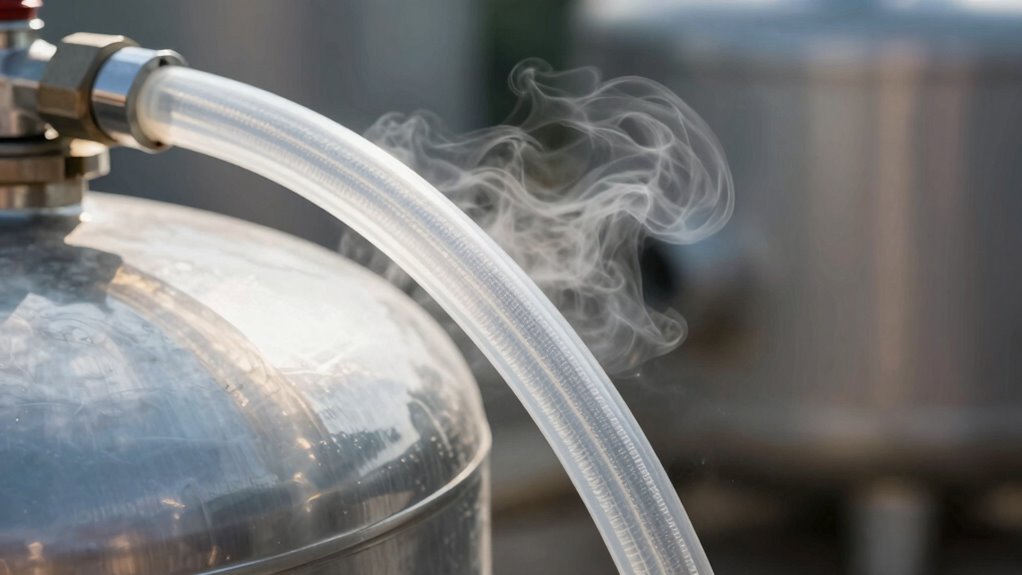
Hose permeation happens when gases from your holding tank pass through the hose material and enter the surrounding air. This process allows odors to escape even if the tank is sealed properly. Understanding how gas diffusion works helps you prevent those unwanted smells from permeating your space. Molecular-scale diffusion phenomena can influence how quickly and extensively odors spread through permeable materials. Additionally, the material composition of the hose plays a significant role in its permeability to gases. Recognizing the opportunity costs associated with different hose materials can guide you in choosing the most effective option to minimize odors. Considering the environmental impact of various hose types is also important for sustainable practices. Being aware of permeation rates can help you select the best hose to reduce odor emissions.
Permeation Through Hose Material
Permeation occurs when odors from holding tanks pass through the material of the hose itself, rather than escaping from the tank’s opening. The hose composition and material permeability play vital roles in this process. If your hose is made from permeable material, odors can seep through even if it’s sealed tightly. Visualize this as tiny particles slowly migrating through the hose walls. Factors influencing permeation include:
- The type of rubber or plastic used in the hose
- The thickness of the hose walls
- The temperature, which can increase permeability
- The chemical compatibility of the hose material with tank contents
- Material permeability ratings, which are crucial for selecting odor-resistant hoses.
Additionally, environmental conditions such as exposure to sunlight or chemicals can further impact permeability, making careful material selection essential. An understanding of permeation mechanisms can help in choosing hoses that resist permeation, reducing unwanted smells and ensuring better odor control. Furthermore, choosing hoses with verified permeability ratings through spec verification can significantly improve odor containment.
Gas Diffusion Into Air
Gas diffusion into the air occurs when odor molecules pass through the porous walls of the hose and escape into the surrounding environment. This process allows smells to seep out even when vents are functioning properly, impacting odor control efforts. Factors like hose material, temperature, and pressure influence how much gas diffuses. To illustrate, consider this table:
| Factor | Effect on Gas Diffusion |
|---|---|
| Hose Material | Porous materials increase diffusion |
| Temperature | Higher temps accelerate diffusion |
| Pressure Difference | Greater pressure difference boosts diffusion |
| Air Exchange Rate | Slower exchange allows more buildup |
Understanding these elements helps you optimize venting and reduce odors. Additionally, selecting appropriate hose materials can significantly minimize diffusion, leading to a more effective odor management system. The properties of the hose material itself can directly impact the degree of gas diffusion and should be carefully considered during setup. Proper ventilation strategies are essential to controlling odor emissions effectively. Implementing effective venting methods can further reduce odor escape by enhancing air exchange rates.
Furthermore, considering the material characteristics of hoses during installation can help mitigate diffusion-related odors, enhancing overall odor control.
How Can You Tell If Your Venting or Hoses Are Causing Odors?
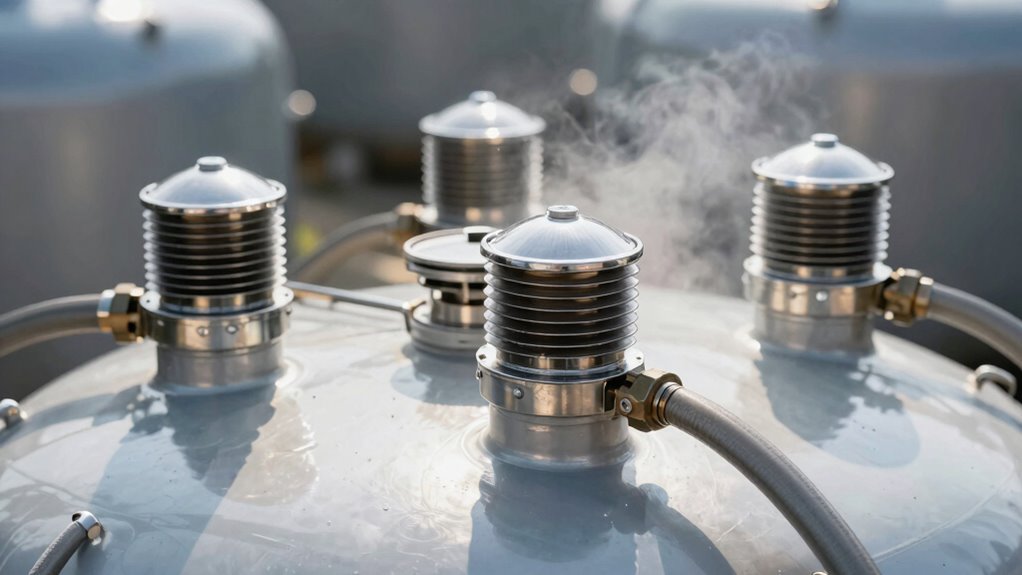
If you notice persistent odors around your holding tank area, it’s important to determine whether your venting system or hoses are the culprit. First, check for strong smells even after tank cleaning; if odors linger, vents might be blocked or malfunctioning. Inspect hoses for cracks, leaks, or loose fittings that can release odors. Consider if the smell worsens during tank use or vent operation. To get a clearer picture, look for these signs:
- Unusual, persistent odors despite cleaning
- Air escaping from vent or hose connections
- Strong smell when opening the tank or vent
- Odors that seem to permeate through the hoses
Using odor neutralizers can help temporarily, but identifying leaks or vent issues is key to long-term odor control. Additionally, understanding how regional flavors and chicory/coffee insights influence perceptions of aromas can help diagnose unusual smells in some cases.
How to Fix Venting Issues to Keep Your Holding Tank Fresh
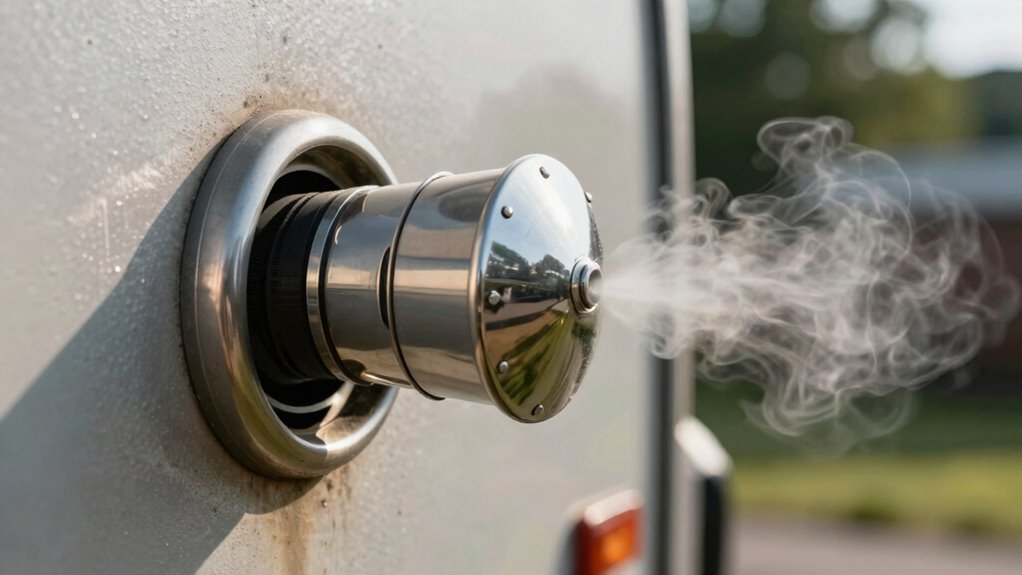
Venting issues are a common cause of persistent odors in holding tanks, but they’re fixable with some straightforward steps. First, check your vent pipe for blockages or damage; clearing or repairing it can improve airflow. Upgrading your ventilation system with taller or more efficient vents guarantees better odor release and reduces pressure buildup. Chemical treatments can also help by breaking down waste and controlling odors inside the tank, complementing vent improvements. Regularly applying odor-neutralizing chemicals prevents buildup of smelly gases. If odors persist, consider installing vent fans that actively extract air, further enhancing ventilation. Proper venting combined with chemical treatments keeps your holding tank fresh and odor-free, making your RV or boat experience more comfortable.
Choosing the Right Hoses to Prevent Odor Leaks
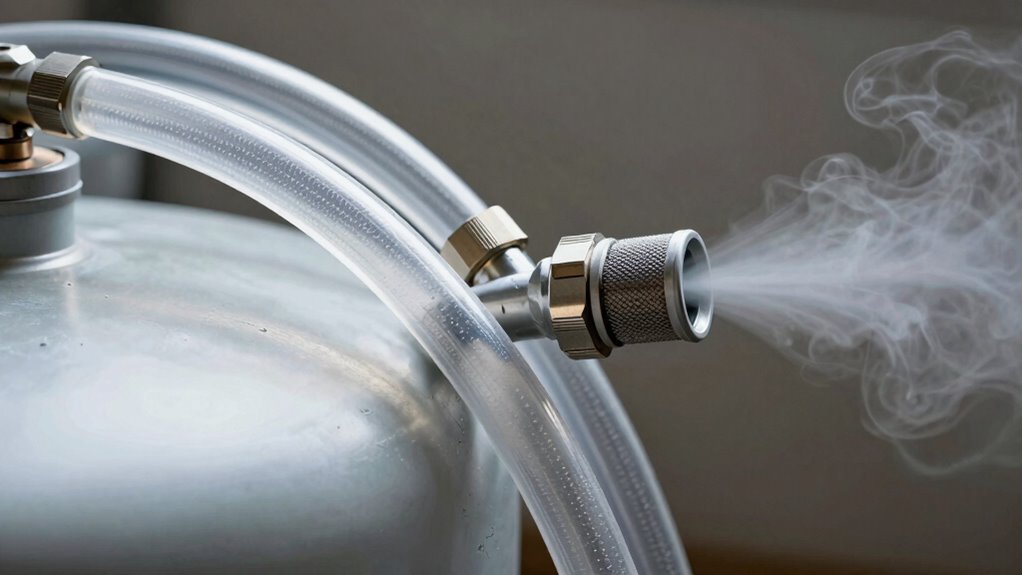
Choosing the right hoses is key to preventing odor leaks from your holding tank. You need hoses compatible with your system to guarantee a proper seal and avoid leaks. Look for hoses designed specifically for venting and waste transfer, which support odor proofing techniques. Consider these factors:
- Material durability and flexibility
- Compatibility with tank fittings
- Resistance to permeation and odors
- Proper diameter for secure connections
Using hoses with the right hose compatibility helps seal out odors effectively. Odor proofing techniques, like double clamping or using odor-blocking adapters, enhance your setup. Avoid cheap or incompatible hoses that can crack or permeate, leading to leaks. Selecting the right hoses ensures your holding tank stays fresh and odor-free, saving you trouble and maintaining hygiene.
Maintenance Tips to Minimize Venting and Hose Permeation Problems
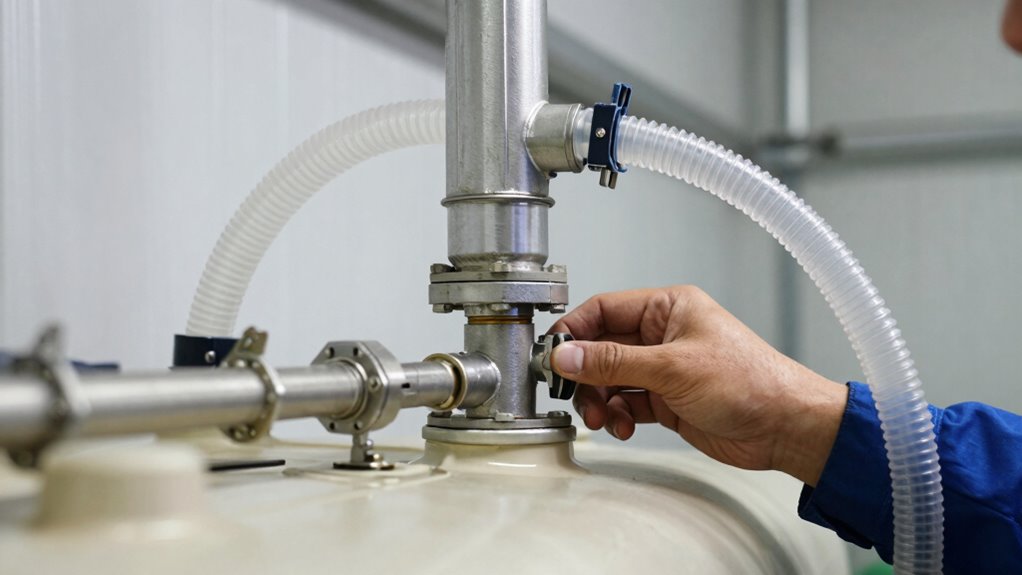
Regular maintenance is essential to keep venting systems and hoses functioning properly and prevent permeation issues. Start by scheduling regular tank cleaning to remove residues that can cause odors and clog vents. Clean vents and hoses thoroughly to ensure proper airflow and reduce odor build-up. Using odor neutralizers inside the tank can help control smells before they escape, minimizing the strain on vent systems. Check hoses for cracks or leaks, replacing damaged sections promptly. Keep vent filters clean and replace them as needed to maintain proper ventilation. Proper maintenance reduces the chances of odor permeation and vent blockages, saving you from costly repairs and unpleasant smells. Consistent care ensures your holding tank stays odor-free and operates efficiently.
When Should You Call a Professional to Address Persistent Odors
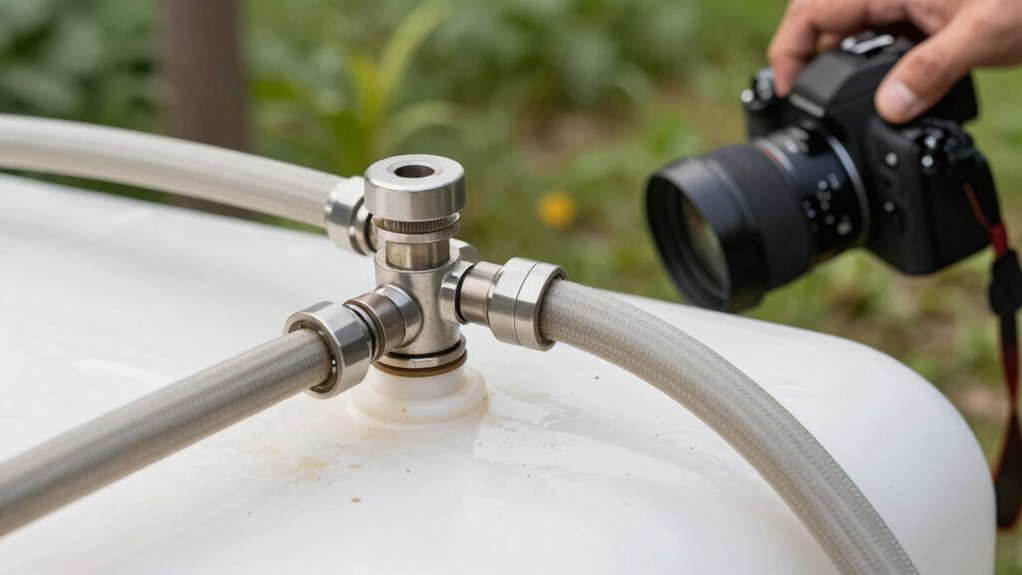
Even with proper maintenance, some odors may persist or worsen over time, signaling that professional intervention might be necessary. If you’ve tried tank cleaning and odor neutralizers without success, it’s time to seek expert help. Persistent smells could indicate a deeper issue, like venting problems or hose permeation. Consider calling a professional if you notice:
- Strong, lingering odors despite using odor neutralizers
- Unusual tank buildup or sludge
- Ineffective venting system performance
- Regular odor issues despite routine maintenance
A professional can perform a thorough tank cleaning, identify hidden problems, and recommend specialized odor neutralizers. Addressing these issues promptly prevents further damage and keeps your holding tank odor-free. Don’t ignore persistent odors—they’re a sign it’s time to call in the experts.
Frequently Asked Questions
Can Temperature Changes Affect Holding Tank Odors?
Yes, temperature fluctuations can affect holding tank odors. When temperatures rise, odor intensity often increases because warmer air promotes the release of smells from the tank. Conversely, cooler temperatures can reduce odor, but rapid temperature changes may cause venting issues, trapping more odors inside. To keep odors manageable, guarantee proper venting and check hoses regularly, especially during temperature shifts, to prevent unpleasant smells from intensifying.
Are There Natural Remedies to Reduce Venting Odors?
Think of your holding tank odors like a stubborn garden weed; natural remedies can help you tame it. You might try aromatherapy sprays or herbal remedies, like adding a few drops of essential oils or using herbal sachets near vents. These natural solutions can neutralize smells effectively and are a pleasant alternative to chemical options, making your RV experience more enjoyable without harsh smells lingering.
How Often Should Hoses and Vents Be Inspected?
You should inspect your hoses and vents at least every three to six months to guarantee proper hose maintenance and vent function. Regular vent inspection helps identify signs of clogging or deterioration, preventing odors from escaping. Keep an eye out for leaks, cracks, or build-up that could compromise your system. Consistent inspections help maintain a fresh environment and extend your system’s lifespan.
Do Different Tank Materials Impact Odor Permeation?
You might be surprised, but the material impact on odor permeation can be significant. Some tank materials, like certain plastics, allow permeation effects to seep through more easily, resulting in stronger odors. Other materials, such as metal tanks, often resist odor escape better. Choosing the right material can make a big difference in controlling odors, so it’s worth considering how each impacts permeation effects before installation or maintenance.
Can Venting Modifications Improve Odor Control Significantly?
Yes, vent modification can substantially improve odor control by allowing better airflow and reducing pressure buildup in the tank. Additionally, hose sealing is essential; it prevents odors from escaping through leaks. You should consider upgrading your vent system and ensuring all hoses are properly sealed to minimize permeation. These adjustments work together to keep odors contained, providing a more pleasant environment and reducing smell-related concerns.
Conclusion
To keep your holding tank smelling fresh, stay vigilant, stay proactive, and stay informed. Regularly check your venting system, inspect your hoses, and address issues promptly. Don’t ignore persistent odors—tackle them head-on. By maintaining your system, preventing leaks, and seeking professional help when needed, you protect your comfort, your environment, and your peace of mind. Take control today, and enjoy a fresher, odor-free experience tomorrow.