When you’re on a boat with kids, always make sure they wear properly fitted, U.S. Coast Guard-approved life jackets at all times. Set clear safety rules, such as staying seated, avoiding running, and keeping hands inside the boat. Supervise water areas closely, keep exits clear, and teach kids how to respond if an emergency occurs. Following these non-negotiable safety steps helps protect everyone. Keep exploring to learn more safety tips for a fun and secure boat trip.
Key Takeaways
- Always wear properly fitted, U.S. Coast Guard-approved life jackets and ensure they are in good condition.
- Supervise children at all times, especially in water and supervised zones, to prevent accidents and water hazards.
- Keep pathways clear of obstacles and water spills to avoid slips, falls, and delays during emergencies.
- Teach children safety rules, emergency procedures, and proper life jacket use before sailing.
- Foster a respectful, calm environment by modeling good behavior, setting clear boundaries, and reinforcing safety guidelines.

SPORTSTUFF Stars and Stripes Life Jacket, US Coast Guard Approved, Type III, Adult, Child, Youth Sizes
US Coast Guard Approved: This personal flotation device meets USCG requirements. Less bulky design for use when quick…
As an affiliate, we earn on qualifying purchases.
As an affiliate, we earn on qualifying purchases.
Why Kids Must Always Wear Life Jackets on Boats
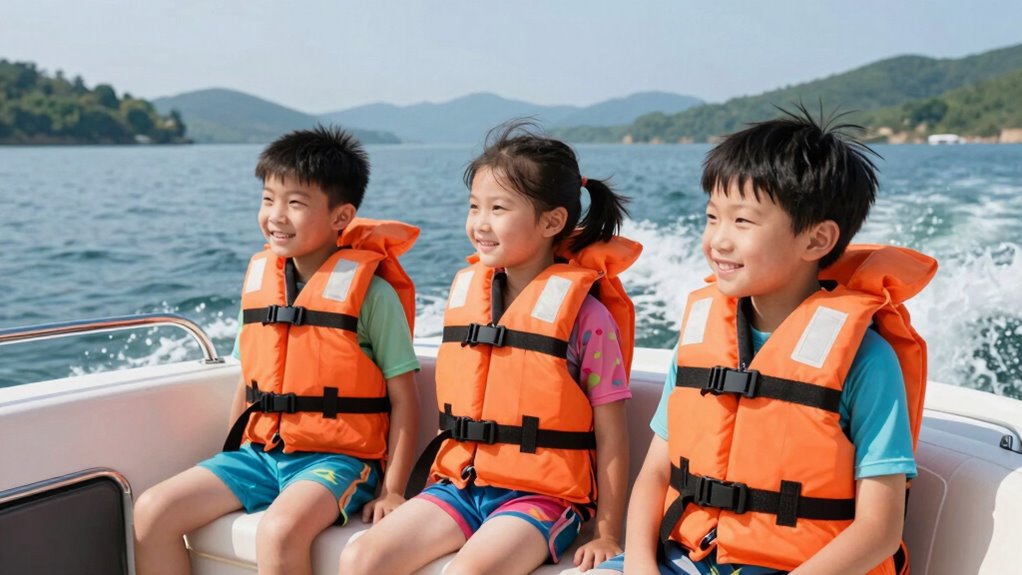
Kids must always wear life jackets on boats because drowning remains a leading cause of injury among young children in water-related accidents. Ensuring proper child safety starts with this simple but essential step. A well-fitting life jacket can make all the difference if an accident occurs, providing buoyancy and preventing drowning. Regular boat maintenance is critical to keep safety equipment, like life jackets, in good condition and accessible. Check for tears, proper fit, and verify all jackets are approved by safety standards. When you prioritize child safety and maintain your boat properly, you reduce risks greatly. Remember, no matter how confident your child is in the water, a life jacket acts as an indispensable safeguard, giving you peace of mind during your boating adventures. Additionally, understanding the importance of safety standards helps in creating a safer water environment for children. Proper safety equipment like life jackets is essential for ensuring a secure and enjoyable experience on the water, and staying informed about latest safety standards can further enhance your safety practices.
Breakwater Supply™ Waterproof Marine First Aid Kit Boat Safety Tool Kit, 100 Piece AFAK Emergency Supplies in Dry Bag, IFAK Trauma Kit for Kayaking, Jet Ski, Fishing, Surfing, Sailing, Canoeing (Red)
WATERPROOF PREPAREDNESS IN A COMPACT KIT! Around the water, a fully waterproof First Aid Emergency Kit is a…
As an affiliate, we earn on qualifying purchases.
As an affiliate, we earn on qualifying purchases.
What Safety Rules Should Kids Follow on a Boat?
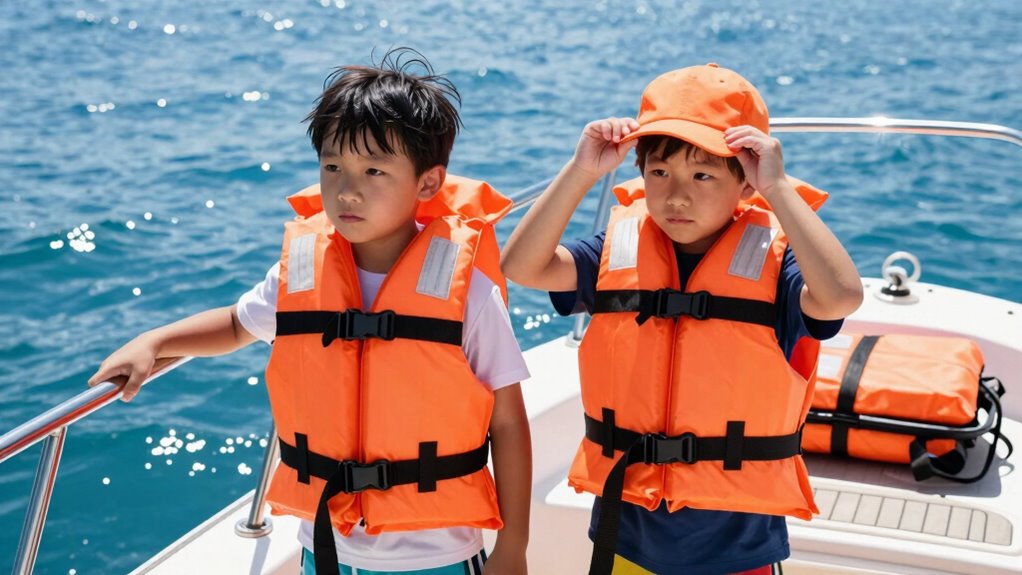
While wearing life jackets is a crucial safety practice, it’s equally important to teach children specific rules to stay safe on a boat. These rules promote water safety and proper boat etiquette, helping everyone enjoy the trip. Always stay seated and avoid running or jumping, which can cause falls. Keep hands and feet inside the boat to prevent injuries. Listen carefully to the boat operator and follow their instructions. Respect others’ space and avoid loud, disruptive behavior. Remember these safety rules:
| Rule | Explanation | Why It Matters |
|---|---|---|
| Wear a life jacket | Always have it on when on deck | Prevents drowning |
| Follow boat etiquette | Respect others and stay seated | Maintains safety and order |
| No rough play | Avoid pushing or jumping | Prevents injuries |
Additionally, understanding regional boat safety regulations can help ensure compliance with local laws and best practices. Being aware of local safety laws can also help prevent accidents and ensure everyone’s safety while on the water. Recognizing safety standards and adhering to them is essential for a safe boating experience. Incorporating proper safety training can further enhance children’s awareness of potential hazards and safe behaviors on boats. Moreover, emphasizing the importance of safety awareness helps children recognize and respond appropriately to various water-related risks.

Rules of The Road Boating Navigation Set – Waterproof Quick Reference Guide – Essential Boating & Sailing Equipment – (Intercoastal, International and Inland Navigation) – Double-Sided & Easy to Read
Comprehensive Guide: Complete reference to essential boating safety rules and regulations with easy-to-understand instructions for emergency situations and…
As an affiliate, we earn on qualifying purchases.
As an affiliate, we earn on qualifying purchases.
Water Hazards on Boats and How to Prevent Accidents
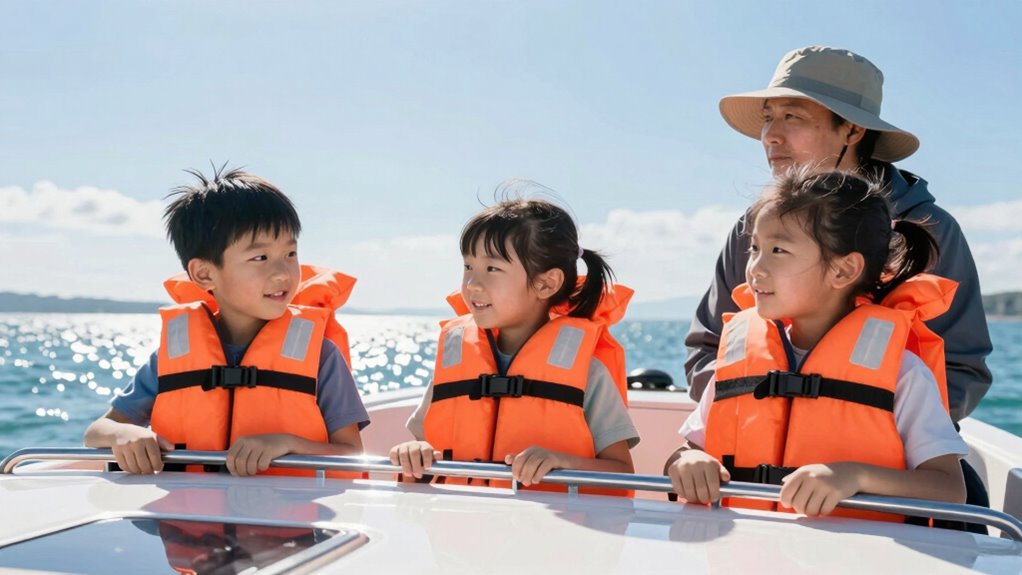
You need to stay alert about water hazards on the boat to keep everyone safe. Always wear life jackets, watch for supervised swimming zones, and keep exit paths clear. These simple steps can prevent accidents and make your boat trip safer for kids. Incorporating air fryer cooking techniques can also be a fun way to prepare snacks for your boat outings, ensuring everyone stays energized and happy. Remember to keep essential DIY tools on hand for quick repairs or emergencies during your trip. Being aware of water safety practices and understanding boat safety regulations can further help prevent dangerous situations on the water. Additionally, using best vacuums for dust removal in 2024 can help keep your living space clean and allergen-free after outdoor adventures.
Life Jackets Required Always
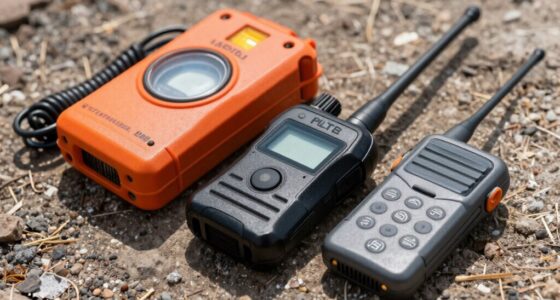
Wearing a life jacket at all times is the most effective way to protect children from water hazards on boats. It keeps them buoyant and safe, even if they slip or fall overboard. Always verify the jackets are properly fitted, in good condition, and U.S. Coast Guard approved. Regular boat maintenance is essential to prevent accidents, as it guarantees everything functions correctly, especially communication systems for emergencies. Marine communication devices help coordinate rescue efforts quickly if needed. Remember, life jackets should be easily accessible and worn whenever on deck or near water. Use the table below to understand key safety priorities:
| Safety Gear | Maintenance Checks | Communication Readiness |
|---|---|---|
| Life jackets | Inspect regularly | Test radios and signals |
| Proper fit | Clean and repair | Keep devices charged |
| Easy access | Replace worn parts | Know emergency protocols |
A strong emphasis on preventive measures and proper safety equipment can significantly reduce the risk of water-related accidents and ensure swift action when necessary. Additionally, regular safety drills can help children and adults respond more effectively in emergency situations. Educating children on water safety awareness is also crucial for their protection on boats. Incorporating proper supervision and clear safety instructions can further enhance onboard safety practices.
Supervised Swimming Zones
Supervised swimming zones on boats are essential for preventing water-related accidents involving children. By designating specific areas for swimming, you reduce the risk of children wandering into dangerous water zones where marine wildlife might pose unexpected threats. Always guarantee someone is actively watching children whenever they’re in the water, even in shallow areas. Regular boat maintenance keeps the deck and swim zones safe, preventing slips or equipment failures that could cause accidents. Be aware of marine wildlife that could inadvertently endanger kids, such as jellyfish or fish with sharp fins. Clear supervision combined with a well-maintained boat creates a safer environment, helping kids enjoy swimming while minimizing water hazards. Never leave children unattended near water, and stay vigilant at all times. Additionally, ensuring the household products used onboard are safe and properly maintained can help prevent slips and other accidents around the boat. Understanding the importance of sustainable foraging practices can also be applied to maintaining the health of aquatic ecosystems, ensuring a safer environment for everyone onboard. Incorporating herbal wellness principles, such as the use of natural remedies and safe herbs, can promote overall safety and well-being while on the water.
Keep Exit Path Clear
To prevent accidents on boats, it’s crucial to keep exit paths clear of obstacles and water hazards. Ensure emergency exits are unobstructed at all times, so everyone can evacuate quickly if needed. Regularly check that deck areas around exits are free of gear, ropes, or water spills that could cause slips or block escape routes. Water hazards, like leaks or spills, increase the risk of slips and falls, especially near emergency exits. Good fire safety also depends on clear routes; blocked exits can delay fire response or evacuation. Teach kids to keep pathways open and alert adults if they notice obstructions or water hazards. Maintaining clear exit paths helps prevent injuries, guarantees swift evacuation, and keeps everyone safe during emergencies.

Sportstuff Child Type III Life Jacket | US Coast Guard Approved | Open Sides with 3 Body Belts & Buckles | Quick Dry Fabric, Secure Fit, Comfortable | Stars & Stripes
US Coast Guard Approved: This personal flotation device meets USCG requirements. Less bulky design for use when quick…
As an affiliate, we earn on qualifying purchases.
As an affiliate, we earn on qualifying purchases.
How to Teach Kids Proper Boat Behavior and Etiquette
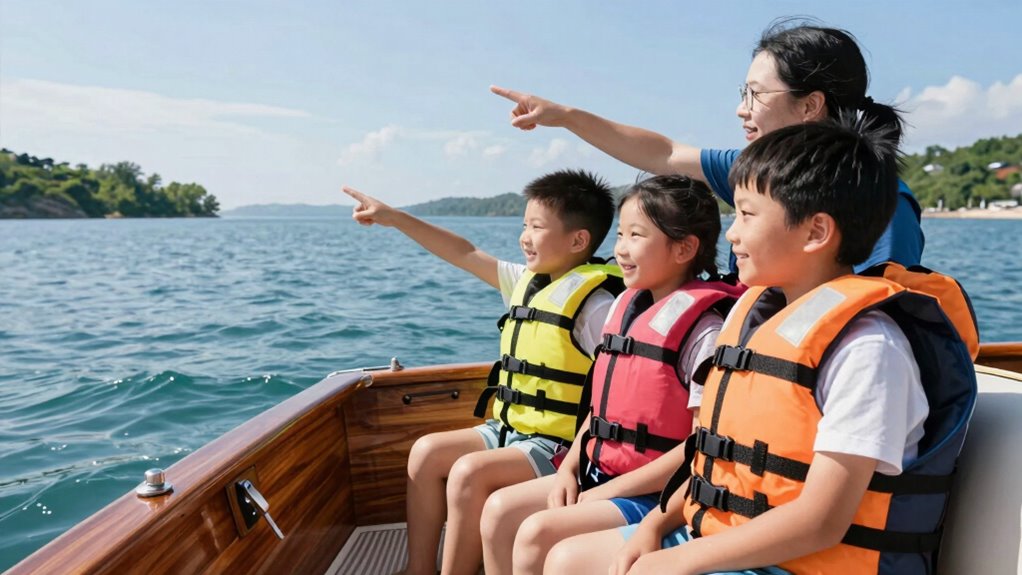
Start by setting clear expectations for your kids about boat behavior before you set sail. Consistently reinforce respectful actions, like keeping noise down and respecting others’ space. By doing so, you create a safe and enjoyable environment for everyone onboard.
Setting Clear Expectations
Setting clear expectations is essential for ensuring kids understand how to behave responsibly and respectfully on a boat. As a parent, your responsibilities include explaining safety rules and appropriate behavior before setting sail. Be explicit about boundaries, such as staying seated, avoiding running, and not leaning over the railings. Emphasize risk awareness by teaching kids to recognize potential dangers and the importance of listening to adult instructions. Clearly communicate consequences if rules are broken, and reinforce these expectations consistently throughout the trip. By establishing these guidelines upfront, you help your children understand what’s expected of them, creating a safer environment. Setting firm, clear expectations fosters respect for the boat, fellow passengers, and safety procedures, making everyone’s experience more enjoyable and secure.
Reinforcing Respectful Behavior
Teaching kids respectful behavior on a boat is essential for ensuring everyone’s safety and enjoyment. You can foster child cooperation by modeling respectful communication and setting clear boundaries. Explain why polite behavior matters, such as listening when others speak and avoiding loud, disruptive actions. Reinforce positive interactions by praising respectful communication and teamwork. Encourage your kids to express their feelings calmly and listen to others’ perspectives. Remind them that respecting boat rules and fellow passengers helps prevent accidents and keeps everyone safe. Consistently reinforce these behaviors, especially during activities or conflicts, to build good habits. By emphasizing respect and cooperation, you create a more enjoyable, harmonious environment on the water for everyone onboard.
What to Do in an Emergency: Safety Procedures for Kids

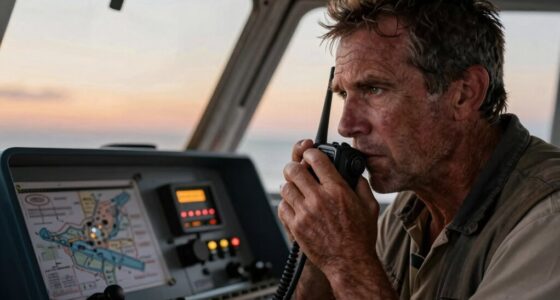
When an emergency happens on a boat, knowing what to do can make all the difference. Stay calm, follow your emergency protocols, and use communication devices like radios or whistles to alert others. Remember, quick action can prevent panic and injury.
Visualize this:
| You | The Boat’s Environment |
|---|---|
| Holding a life jacket | Water around, open sky |
| Using a communication device | Calm but alert |
Stay focused, listen carefully, and follow instructions from adults or crew. Practice emergency procedures regularly so they become second nature. These steps keep everyone safe until help arrives. Your quick, calm response in emergencies is vital for safety on the water.
How to Prepare Kids for a Safe and Fun Boat Trip
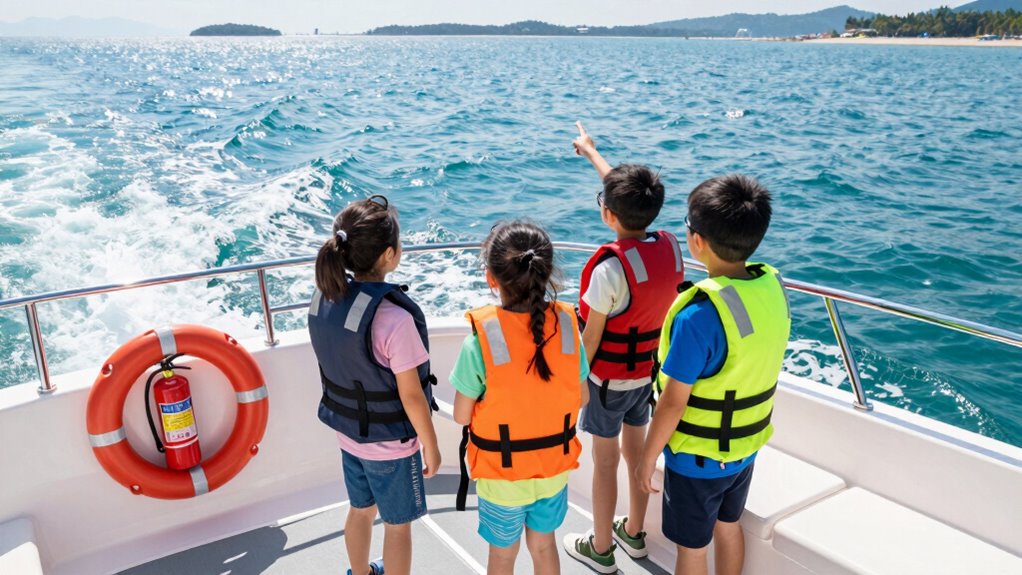
Preparing kids for a safe and fun boat trip starts with clear planning and open communication. You want to guarantee their understanding of child safety and boat preparation essentials. Talk about safety rules before boarding, demonstrate how to wear life jackets properly, and explain what to do if they feel uncomfortable. Keep the atmosphere positive and encouraging, so they’re excited and aware. Make sure they know to stay seated and avoid running on the boat. Pack familiar snacks, water, and entertainment to keep them engaged. Also, review weather conditions and boat safety features together. Incorporate these simple steps to boost confidence and ensure everyone’s safety.
- Discuss safety rules clearly and early
- Show how to wear life jackets properly
- Explain emergency procedures in advance
- Pack familiar snacks and entertainment
- Review weather and safety features
Frequently Asked Questions
How Can Parents Ensure Kids Understand Boat Safety Rules Effectively?
You can guarantee kids understand boat safety rules effectively by using interactive demonstrations and visual aids. Engage them with hands-on activities that show safety procedures, making learning fun and memorable. Use colorful charts, videos, or models to illustrate important points. Keep explanations simple and encourage questions. Reinforcing rules regularly helps them remember and follow safety practices, creating a safer experience for everyone on board.
What Are Common Mistakes Kids Make That Compromise Boat Safety?
You might notice kids often slip into risky behavior or have supervision lapses, unknowingly putting themselves in danger. They may run on deck, ignore life jackets, or distract the boat operator, thinking it’s just fun. These common mistakes compromise safety because they reduce awareness and increase accident risk. Staying vigilant, setting clear boundaries, and consistently supervising helps prevent these errors and keeps everyone safe on the water.
How Do Weather Changes Impact Kids’ Safety on Boats?
Weather changes can considerably impact your kids’ safety on boats. You should pay close attention to weather alerts and storm forecasts, as sudden shifts can lead to dangerous conditions. Always stay prepared by having a storm preparedness plan in place, including life jackets and emergency supplies. If a storm approaches or weather worsens, it’s safest to head back to shore promptly, ensuring your kids remain safe and protected throughout the trip.
What Safety Gear Beyond Life Jackets Is Recommended for Children?
Think of safety gear as a child’s second shield on the water. Besides life jackets, you should equip them with floatation devices designed for their size and age, ensuring maximum buoyancy. Additionally, emergency signaling tools like whistles, flares, or waterproof communication devices are crucial for alerting others if trouble arises. These essentials help keep kids safe, turning potential risks into manageable moments, and ensuring they’re protected every second they’re on the boat.
How Can Kids Be Involved in Safety Planning for Boat Trips?
You can involve kids in safety planning by encouraging child-led safety discussions and listening to their concerns. Teach them boat safety education so they understand the rules and hazards. Let them help check safety gear, ask for their input on emergency procedures, and assign simple roles during the trip. This active participation boosts their confidence, makes safety fun, and guarantees they’re more engaged and responsible on boat trips.
Conclusion
Remember, over 80% of drowning incidents involve children not wearing life jackets. By following essential safety rules, teaching proper behavior, and preparing for emergencies, you can guarantee a fun and safe boat trip. Always prioritize safety, set clear expectations, and supervise kids closely. With these precautions, you’ll create memorable experiences on the water while keeping everyone protected. Safety isn’t just a rule—it’s the key to enjoying your adventure to the fullest.