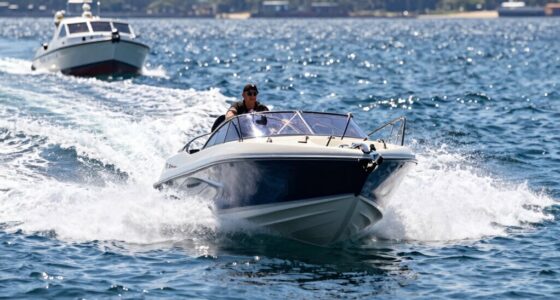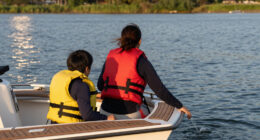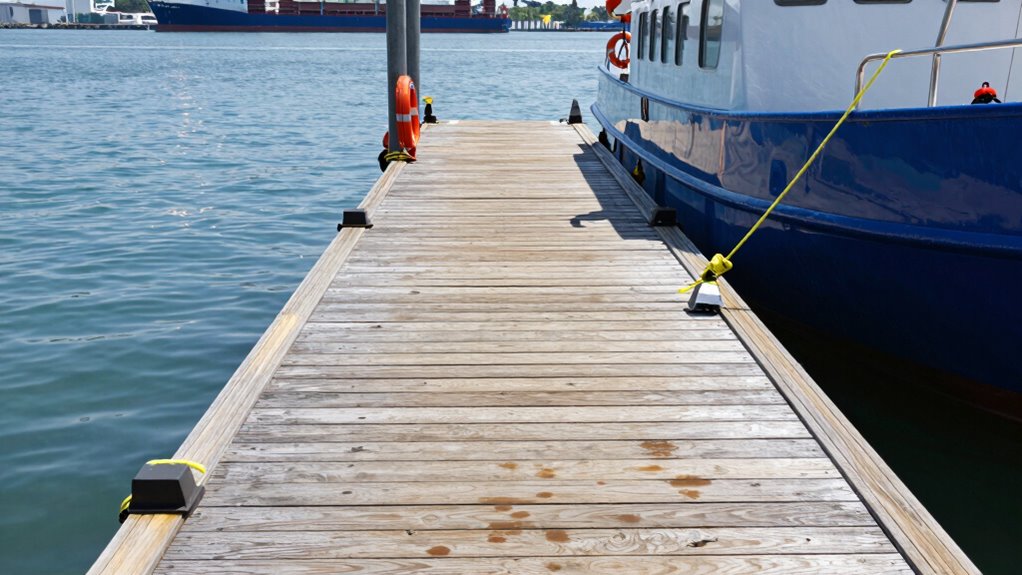

When approaching unfamiliar docks or fuel piers, prioritize safety by evaluating environmental hazards like debris, wildlife, and pollution signs. Confirm your vessel is in good condition, with all equipment ready, and communicate clearly with dock personnel. Observe tidal currents and underwater conditions using sonar or depth sounders, and proceed slowly with controlled maneuvers. Be aware of fuel safety protocols and avoid hazards like leaks or sparks. Master these steps to approach confidently—more tips to follow for a smooth docking.

Get sports gear delivered free with Prime
- Fast, free delivery on millions of items
- Prime Video, Amazon Music and more included
- Member-only deals all year
Key Takeaways
- Conduct thorough environmental and structural assessments of the dock or fuel pier before approaching.
- Ensure vessel readiness with proper equipment, lighting, and communication systems aligned with site conditions.
- Monitor tide, current, and weather conditions continuously to plan a controlled and safe maneuver.
- Maintain clear communication with dock personnel, using signals and VHF radios for precise coordination.
- Follow strict fueling protocols, including checking for leaks, grounding, and adhering to safety procedures to prevent hazards.
As an affiliate, we earn on qualifying purchases.
Why Safe Approaches Matter When Docking at Unfamiliar Piers
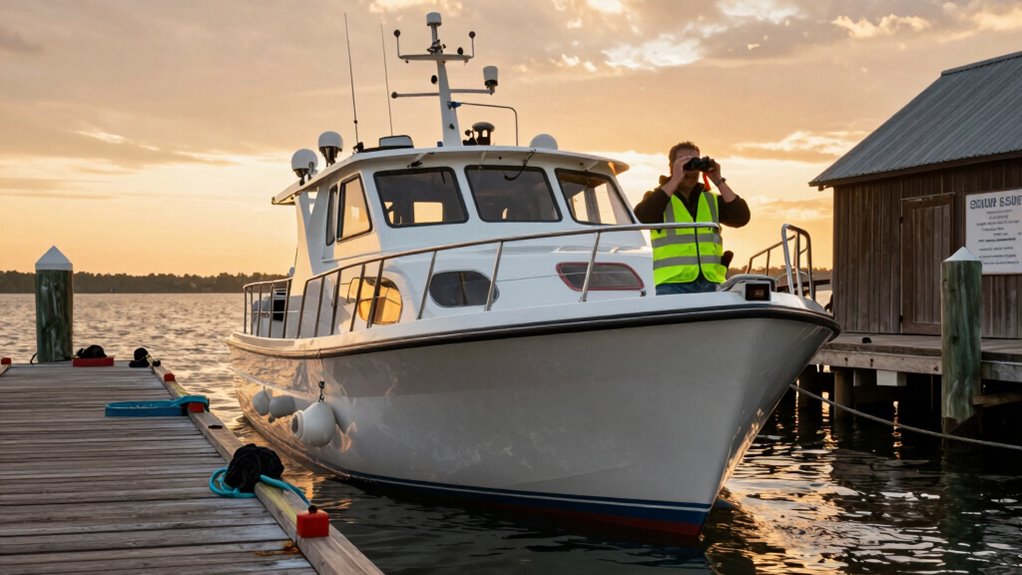
When docking at unfamiliar piers, safe approaches are essential to prevent accidents and damage. Proper procedures protect your vessel and cargo, reducing costly repairs and insurance claims. Marine insurance policies often require adherence to specific safety protocols; neglecting these can lead to denied claims if an incident occurs. Well-trained crew members are critical—they understand how to assess the environment, communicate effectively, and execute controlled maneuvers. Investing in crew training ensures everyone knows the importance of cautious navigation, especially in unknown territory. Recognizing manipulation tactics used by others can help crew members remain vigilant and avoid potential threats during stressful situations. Additionally, understanding navigation safety principles can significantly enhance decision-making during dockings. Conducting thorough pre‑docking checks and understanding the local conditions are vital steps to ensure safety and smooth operations. Familiarity with local environmental factors can also help prevent unexpected hazards during docking procedures. Being aware of marine traffic patterns and their impact on your approach can further improve safety margins. Ultimately, prioritizing safety measures safeguards your vessel’s integrity, keeps insurance premiums manageable, and maintains a strong safety record on every unfamiliar dock.
VHF marine radio for communication
As an affiliate, we earn on qualifying purchases.
As an affiliate, we earn on qualifying purchases.
What to Look for When Assessing a New Dock’s Environment

When evaluating a new dock, start by checking for signs of structural integrity, like loose or broken components. Be alert to environmental hazards such as oil spills, debris, or unstable surfaces that could cause accidents. Recognizing these key elements helps ensure a safe and secure approach before you dock. Additionally, understanding the ethics in environmental safety associated with unfamiliar docks can guide your decisions to prioritize ecological responsibility. Considering natural pools and their environmentally friendly features can also inform your assessment of sustainable practices at the site. Being aware of potential hazardous materials present on or near the dock can further prevent safety incidents and environmental damage. Observing signs of environmental impact can provide insight into how well the site maintains ecological balance and sustainability. Furthermore, assessing site maintenance practices can offer clues about the overall safety and environmental standards upheld by the dock authorities.
Structural Integrity Signs
To accurately assess a new dock’s environment, look for visible signs of structural wear or damage that could compromise safety. Cracks, rust, or deterioration in pilings, decking, or support beams indicate potential weaknesses. Loose or missing fasteners and uneven surfaces can also signal instability. These signs should prompt you to review marine insurance policies and ensure crew training emphasizes structural hazard recognition. Proper crew training helps identify subtle issues before they escalate, reducing accident risk. Conducting regular safety assessments can help detect early warning signs that might otherwise be overlooked. Additionally, implementing advanced inspection technologies can enhance the accuracy of structural evaluations. Utilizing non-destructive testing methods can further improve detection of internal flaws not visible on the surface. If you notice significant damage, consider postponing docking or consulting a structural engineer. Recognizing these signs early protects your vessel and crew, minimizes liability, and ensures compliance with safety standards. Regular visual inspections are essential for early damage detection, which is crucial for maintaining structural integrity. Always prioritize thorough visual inspections and proactive measures to maintain structural integrity.
Environmental Hazards Awareness
Evaluating a new dock’s environment requires attentiveness to potential environmental hazards that could impact safety. Look for signs of marine wildlife activity, such as seabirds, fish, or mammals, which indicate a thriving ecosystem and the need for caution. Be alert for visible pollution, like oil slicks, debris, or chemical spills, as these pose health risks and affect pollution prevention efforts. Avoid anchoring or fueling near sensitive habitats to minimize disturbance and contamination. Always check for signs of recent pollution or environmental restrictions that could affect your operations. Respect wildlife protection zones and follow local regulations. Additionally, understanding the impact of human activity on appliance power consumption, such as exposure to chemicals or physical trauma, can help in maintaining overall well-being. Recognizing signs of marine pollution and environmental degradation is essential for responsible docking practices. Being aware of pollution indicators, such as discoloration of water or unusual odors, can further guide safe docking procedures. Monitoring for chemical contaminants and their effects on water quality is crucial for ensuring safety and environmental health. By staying aware of these hazards, you help prevent environmental damage and ensure safe, responsible docking practices.
As an affiliate, we earn on qualifying purchases.
How to Prepare Your Vessel and Crew Before Approaching
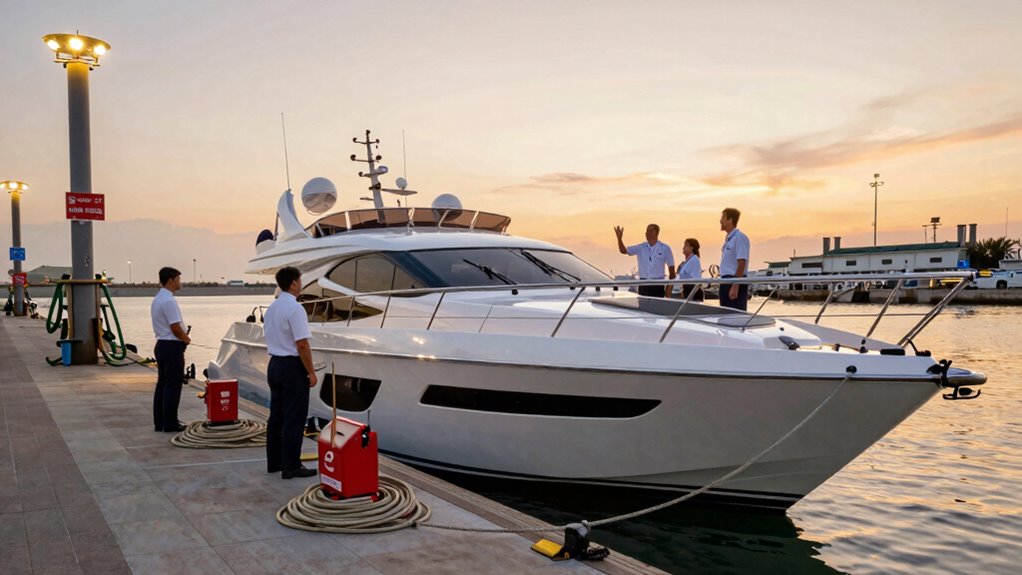
Before approaching docks or fuel piers, verify your vessel is thoroughly prepared and your crew is briefed on safety procedures. Conduct a detailed weather assessment to ensure conditions are suitable for docking. Review current wind, tide, and current data, and anticipate any changes that could affect your approach. Hold a crew briefing to discuss roles, communication signals, and emergency steps. Confirm all equipment, such as fenders, lines, and navigation lights, are ready and functional. Ensure everyone understands the plan for slow maneuvering and precise positioning. Clear communication and awareness of environmental factors help prevent accidents. Being prepared reduces risks and makes your approach smoother, safer, and more efficient for everyone involved.
fuel leak detection kit for boats
As an affiliate, we earn on qualifying purchases.
As an affiliate, we earn on qualifying purchases.
Communicating Clearly With Dock Personnel and Nearby Vessels
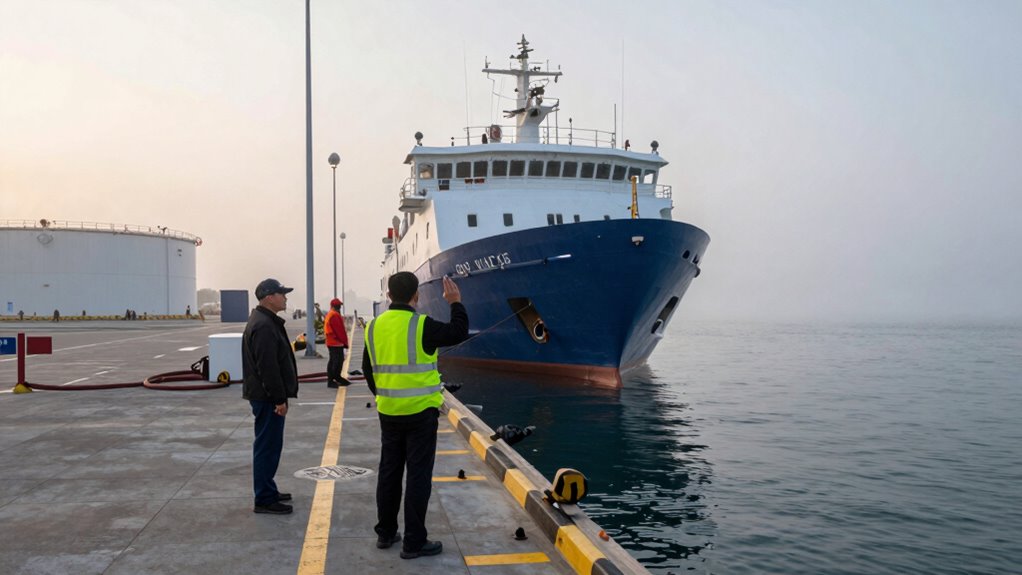
Effective communication with dock personnel and nearby vessels is essential for a safe and smooth docking process. Use your radio to stay in contact, clearly relaying your intentions and listening for instructions. Confirm that your radio communication is understood, especially when coordinating tow lines or engine movements. Pay close attention to signage clarity on the dock and in the surrounding area; clear, visible signs help prevent misunderstandings. Always speak slowly and precisely, avoiding jargon that others might not understand. Make eye contact with dock staff when possible, and acknowledge all instructions. Keeping communication channels open and clear minimizes risks of collisions, missteps, or delays, ensuring everyone onboard and ashore stays safe during the approach and docking procedure. Incorporating reliable security gear such as smart locks can further enhance safety when securing vessels and equipment on the dock. Additionally, understanding sauna safety tips and heatstroke signs can be vital in preventing health issues during prolonged dock stays or breaks. Being aware of the horsepower of electric dirt bikes can also be useful if power tools or small electric vehicles are involved in dock operations, ensuring proper handling and safety measures.
Navigating Tight Spaces and Structural Uncertainties With Confidence
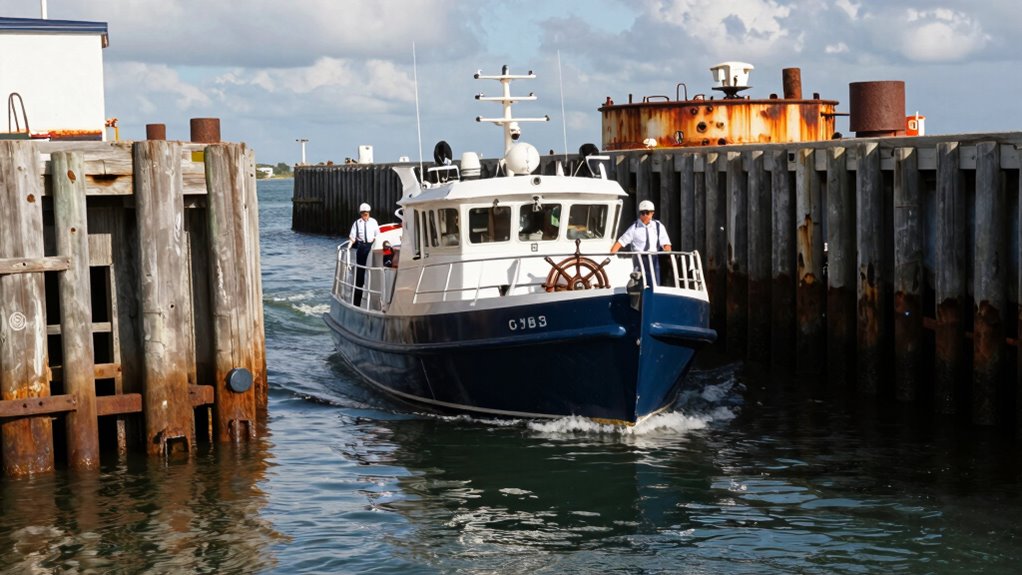
When approaching tight spaces or uncertain structures, you need to evaluate their integrity carefully before proceeding. Use proper maneuvering techniques to maintain control and avoid unexpected shifts or damage. Staying alert and confident ensures a safe, smooth passage through challenging areas.
Assess Structural Integrity
Evaluating the structural integrity of docks and fuel piers is crucial for safe navigation in tight or uncertain conditions. You should carefully observe dock lighting, which helps identify weak spots and potential hazards. Tidal currents can weaken structures over time, so understanding current patterns informs your approach and prevents surprises. Check for visible signs of deterioration, such as rust or loose fittings, and assess how tidal movements affect the structure’s stability. Use your sonar or depth sounder to verify the depth and condition beneath the surface. Remember, a well-maintained structure minimizes risks.
| Aspect | Key Considerations | Potential Risks |
|---|---|---|
| Dock Lighting | Adequate, functioning lights | Misjudging safe zones |
| Structural Wear | Rust, corrosion, loose fittings | Collapse or damage |
| Tidal Currents | Flow strength, direction, timing | Structural stress, shifting |
| Underwater Checks | Sonar scans, visual inspection | Hidden weaknesses |
| Maintenance Status | Recent repairs, inspections | Sudden failures |
Use Proper Maneuvering Techniques
Mastering proper maneuvering techniques is key to safely steering tight spaces and areas with structural uncertainties. You should rely on smooth, deliberate movements to prevent accidental contact. Effective anchor management ensures your vessel remains steady, especially in confined areas. Clear crew communication is essential; everyone must understand their roles to coordinate precise maneuvers. Always use slow, controlled throttle adjustments, and monitor your surroundings closely. Anticipate potential obstacles and adjust your approach accordingly. Keep a safe distance from piers and structures, and avoid sudden turns. Regularly check your equipment and navigation aids to confirm accuracy. Remember, confident and deliberate actions combined with good communication and anchor management will help you navigate challenging environments safely and efficiently.
Step-by-Step Fueling Procedures to Prevent Spills and Accidents
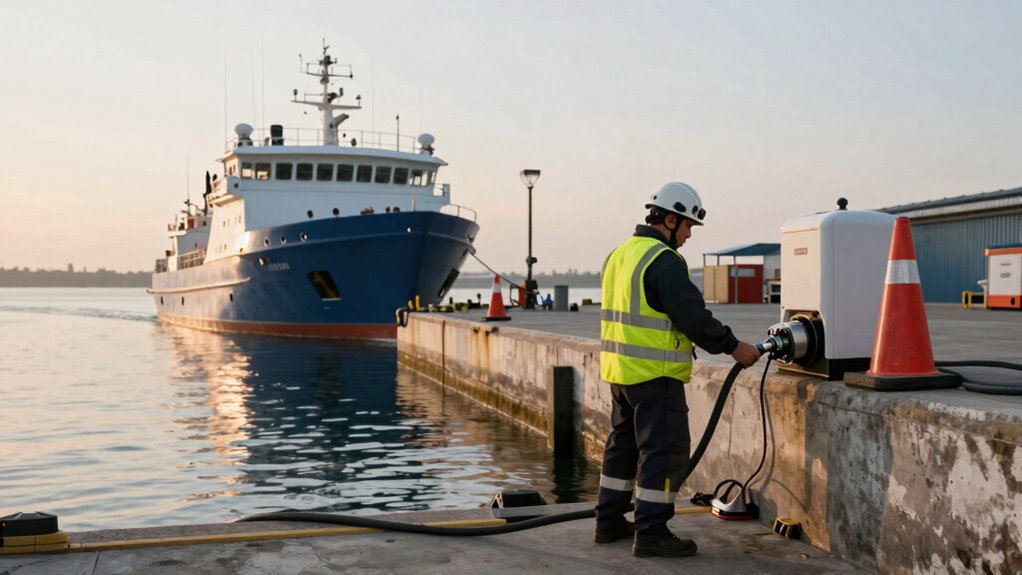
To guarantee safe fueling at docks and fuel piers, following a detailed step-by-step procedure is essential. Begin by checking the marine weather forecast to ensure conditions are safe for fueling. Confirm that your crew has proper training on fueling protocols and emergency procedures. Next, position the vessel securely and inspect the fueling equipment for leaks or damage. Follow the manufacturer’s instructions carefully when connecting hoses and pumps. Continuously monitor fuel flow, avoiding overfilling or spills. Keep a fire extinguisher nearby and ensure grounding wires are properly attached to prevent static buildup. Communicate clearly with your crew throughout the process, maintaining awareness of potential hazards. Adhering to these steps reduces the risk of accidents and ensures a safe, efficient fueling operation.
Common Hazards at Fuel Piers and How to Manage Them
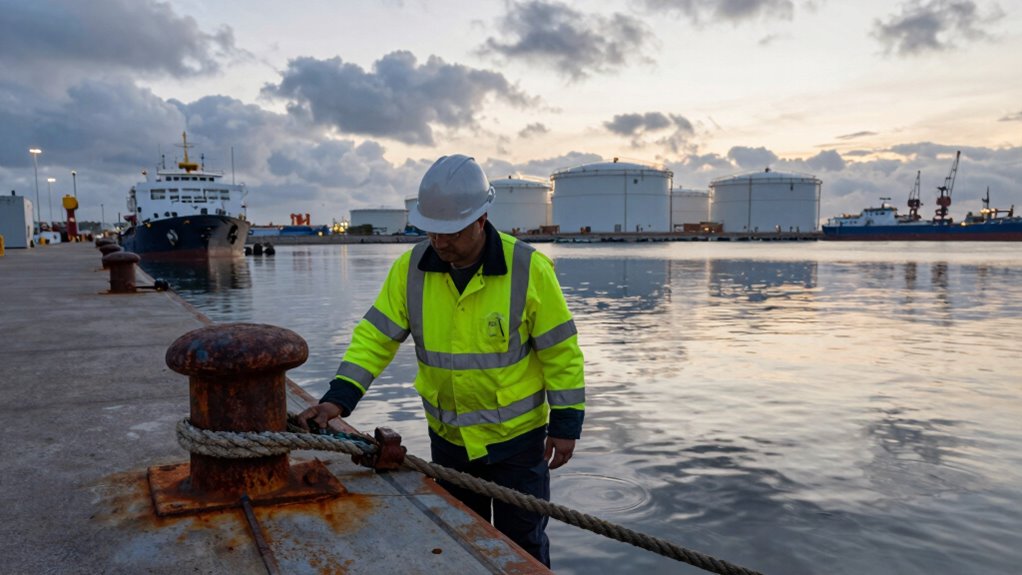
Fuel piers present several hazards that can jeopardize safety if not properly managed. Hazardous materials, such as fuel and chemicals, pose risks of spills and fires. Unauthorized access increases the chance of accidents or sabotage, especially in sensitive areas. To mitigate these dangers, you should:
- Maintain strict security protocols to prevent unauthorized access.
- Regularly inspect storage tanks and pipelines for leaks or damage.
- Implement proper signage and barriers around hazardous materials zones.
Using Technology and Navigation Aids for a Safe Approach

Using technology and navigation aids can greatly enhance your safety when approaching docks and fuel piers. Electronic tools like GPS and radar help you stay precise and aware of your surroundings, while visual landmarks confirm your position. Clear communication with dock personnel ensures everyone stays informed and coordinated during the approach.
Electronic Navigation Tools
Electronic navigation tools have become essential for guaranteeing a safe approach to docks and fuel piers. They enhance your situational awareness by providing real-time data and precise positioning. Marine charts displayed on electronic chart plotters help you visualize water depths, hazards, and navigation routes. An electronic compass offers reliable heading information, especially in conditions where visual references are limited. To optimize safety, verify your devices are calibrated and up-to-date. Consider integrating multiple tools for redundancy, such as GPS, radar, and AIS, to confirm your position and identify obstacles. Proper use of electronic navigation tools reduces the risk of accidents and helps you approach unfamiliar docks with confidence. Remember, technology is a supplement, not a substitute, for vigilant watchkeeping.
Visual Landmarks Identification
Guided by technology and navigation aids, visual landmarks play a essential role in safely approaching docks and fuel piers. Recognizing visual cues such as distinctive structures, lighting patterns, or shoreline features helps confirm your position and approach path. Landmark recognition allows you to verify your charted course and ensure you’re on the right track, especially in unfamiliar environments. Use your navigation tools to identify key visual cues early, then correlate them with your charts. Pay close attention to changes in the landscape or structures as you near your destination. Consistent visual landmark identification enhances situational awareness, reduces reliance on electronic systems alone, and provides an additional layer of safety during critical approach phases. Staying vigilant with visual cues ensures a secure, confident docking process.
Communication With Docks
Effective communication with the dock is essential for a safe approach, especially when steering busy or unfamiliar ports. You should rely on a combination of marine signaling and dock signage to ensure clear understanding. Modern navigation aids, such as VHF radio channels, facilitate real-time coordination with dock personnel, reducing misunderstandings. Pay close attention to marine signaling devices like buoys and lights, which guide your approach and indicate safe zones. Additionally, familiarizing yourself with dock signage beforehand helps interpret instructions quickly, minimizing delays. By integrating these tools, you create a safer, more efficient docking process. Remember, precise communication prevents accidents and ensures a smooth arrival, especially in complex or congested environments.
- Use marine signaling and lights to confirm your position and intentions
- Listen to VHF radio communications for real-time instructions
- Study dock signage to understand specific docking requirements
Top Mistakes to Avoid When Docking at Unfamiliar Locations

Docking at unfamiliar locations can be challenging, especially if you’re not prepared for the unique conditions you’ll encounter. One common mistake is neglecting to review maritime law relevant to the area, which can lead to legal complications or fines. Another critical error is skipping thorough crew training on docking procedures specific to the port. Without proper training, your crew may mishandle lines or misjudge the tide and current, risking damage or unsafe conditions. Rushing the approach or ignoring local regulations can also cause accidents. Always gather detailed information beforehand, ensure your crew understands the docking plan, and adhere strictly to maritime law. Being prepared reduces risks, improves safety, and ensures a smooth, successful docking at unfamiliar locations.
Post-Docking Checks and Environmental Safety Tips
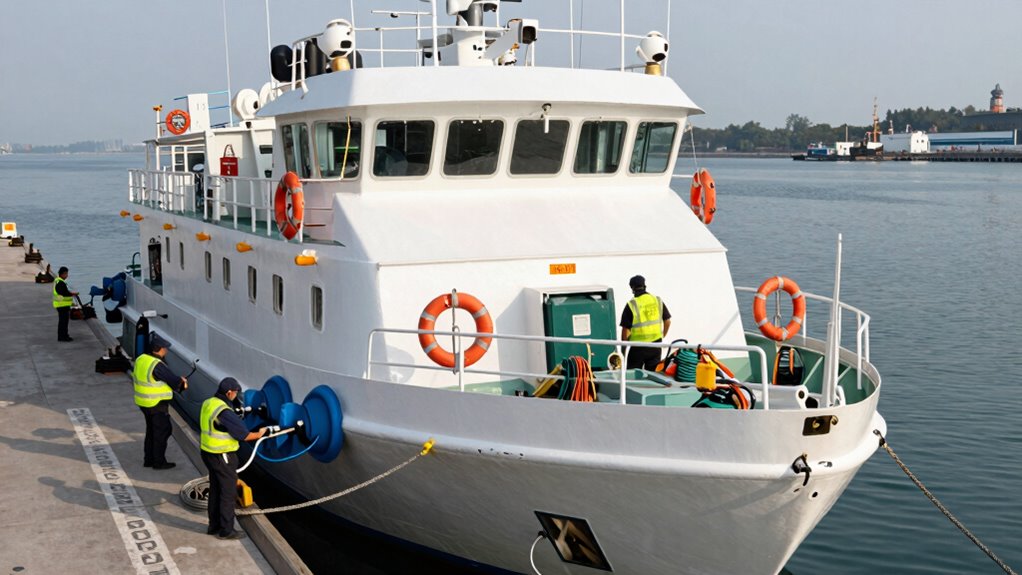
After securing your vessel at the dock, it’s essential to perform thorough post-docking checks to guarantee safety and compliance. Confirm that all lines are secure, and inspect the engine and steering systems for any signs of wear. Check for potential hazards to marine life, such as oil leaks or debris, and make certain your vessel isn’t contributing to pollution. Review weather forecasts to anticipate changes that could impact your departure or safety. Additionally, verify that all safety equipment is accessible and in good condition.
Perform thorough post-docking checks to ensure safety, prevent pollution, and maintain vessel readiness.
- Inspect hull and propellers for damage or obstructions
- Ensure waste disposal complies with environmental regulations
- Record weather conditions and marine life activity for future reference
Frequently Asked Questions
What Are the Legal Requirements for Docking at Unfamiliar Piers?
You need to follow maritime law and obtain any necessary dock permits before docking at unfamiliar piers. Check local regulations, as some ports require prior approval or specific documentation. You’re responsible for ensuring compliance with these legal requirements to avoid penalties. It’s also wise to communicate with port authorities beforehand to confirm your plans and secure any permits needed for a safe and lawful docking.
How Do Weather Conditions Influence Docking Safety Procedures?
Ever wondered how weather impacts docking safety? Marine wind can make approaching a dock tricky, pushing your vessel off course or causing instability. Visibility challenges, like fog or heavy rain, further complicate maneuvers, increasing risks. You must adapt your approach, slow down, and rely on instruments and communication with crew. Preparing for changing weather conditions guarantees a safer docking process, reducing the chance of accidents or damage.
What Personal Protective Equipment (PPE) Is Essential During Docking?
You should wear essential PPE like life jackets, protective gloves, and safety helmets during docking. PPE selection depends on the specific conditions and hazards, so verify your protective gear is appropriate for the environment. Use high-visibility clothing to stay visible, and consider safety boots for stability. Always double-check your PPE before approaching the dock to minimize risks and ensure your safety throughout the docking process.
How Often Should Safety Drills Be Conducted Before Approaching New Docks?
You should conduct safety drills regularly, ideally before approaching new docks, to make certain your crew is well-prepared. Incorporate dock inspections and crew training into your schedule, conducting drills at least monthly or whenever there’s a change in dock conditions. This practice helps identify potential hazards, reinforces safety procedures, and makes sure everyone knows their roles, minimizing risks during docking operations and ensuring a safe approach every time.
Who Is Responsible for Ensuring Dock Safety Compliance?
You are responsible for guaranteeing dock safety compliance. It’s your duty to follow all safety protocols, check for hazards, and verify that the dock meets safety standards before approaching. You should also coordinate with the dock management and safety officers to confirm compliance responsibilities are clear. By proactively managing dock safety, you help prevent accidents and ensure a secure environment for everyone involved. Always stay vigilant and adhere to established safety procedures.
Conclusion
By staying alert and following these safety tips, you’ll navigate unfamiliar docks with confidence. Remember, it’s better to be safe than sorry—don’t cut corners or rush your approach. Keep communication clear, assess the environment carefully, and use technology to your advantage. With preparation and vigilance, you can avoid unnecessary trouble and keep your crew safe. After all, a smooth docking is the result of good planning—you don’t want to learn the hard way that haste makes waste.
NFL season / tailgating Picks
team gear
As an affiliate, we earn on qualifying purchases.