Optimum cable sizing for inverters and windlasses ensures safety and efficiency; discover the essential steps to get it right.
Browsing Category
Electrical & Power
55 posts
Galvanic Corrosion Prevention: Bonding, Anodes, and Isolators
Avoid galvanic corrosion with bonding, sacrificial anodes, and isolators—discover how these strategies protect your metals effectively.
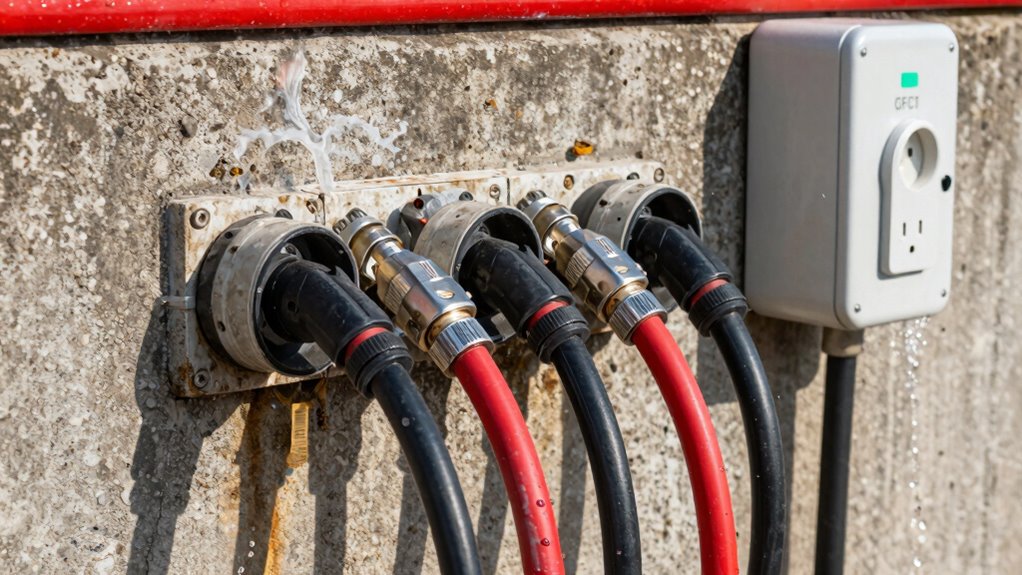
Shore Power Safety: Polarity, GFCI, and Water Rules
Only by understanding shore power safety, including polarity, GFCI use, and water rules, can you truly ensure safety on your vessel—discover more to stay protected.
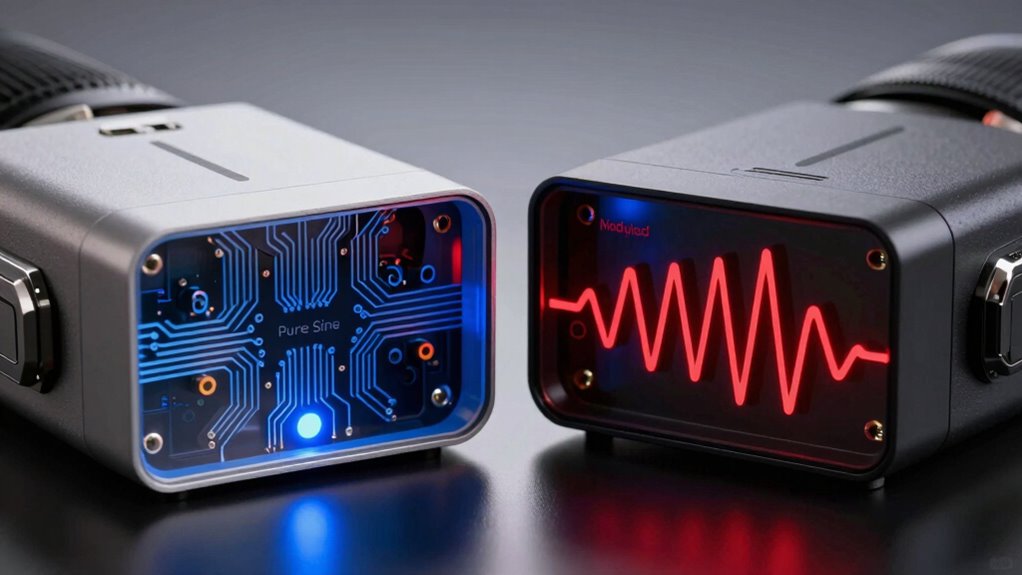
Pure Sine vs Modified Sine: The Devices That Care
A detailed comparison of pure sine and modified sine inverters reveals which devices truly need clean power to avoid damage and ensure optimal performance.
Inverter Basics for Boats: What Can Run and What Shouldn’t
A boat inverter converts your 12V DC power into 120V AC, letting…
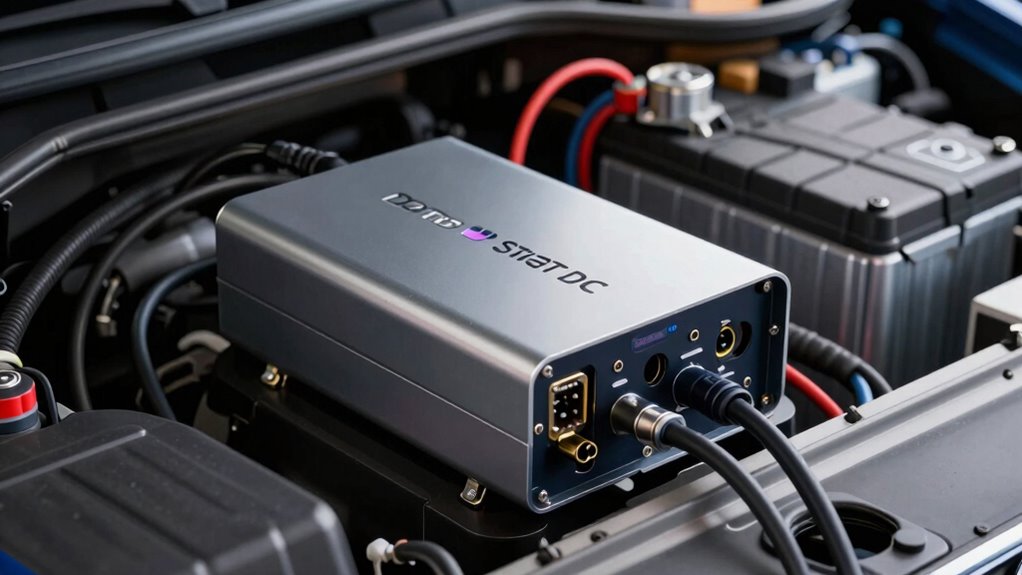
DC‑to‑DC Chargers Explained (When You Actually Need One)
Find out when a DC‑to‑DC charger is essential and how it can protect your system—continue reading to learn more.
How to Choose the Right Battery Charger Amps
Just knowing your battery’s specs isn’t enough—learn how to choose the right charger amps to ensure safe, efficient charging and avoid damaging your battery.
AGM vs Lithium: What Changes in Charging and Wiring
Analyzing AGM versus lithium batteries reveals crucial charging and wiring changes that could impact your system’s safety and performance—discover what you need to know.
Lithium Batteries on Boats: Safety, Venting, and Real Risks
IIncorporating lithium batteries on boats offers advantages but also presents safety challenges that require careful attention—discover the essential precautions to ensure your safety at sea.
Flexible vs Rigid Solar Panels: What Survives on a Boat
Leaning toward flexible or rigid solar panels for your boat? Learn which withstand maritime conditions best and why long-term durability matters.