To find the source of boat smells, start with a visual inspection of areas like the bilge, cushions, and storage compartments for mold, leaks, or debris. Check hoses, vents, and drains for buildup or moisture, and eliminate any hidden food residues or damp fabrics. Regular cleaning, good ventilation, and moisture control help prevent odors from returning. If persistent smells linger, exploring more detailed techniques will help you address hidden issues effectively.

Get sports gear delivered free with Prime
- Fast, free delivery on millions of items
- Prime Video, Amazon Music and more included
- Member-only deals all year
Key Takeaways
- Conduct a visual inspection of storage, bilge, engine, and cushions to identify moisture, mold, or debris causing odors.
- Check hoses, vents, and sanitation systems for leaks, buildup, or mold that may emit unpleasant smells.
- Clean and dry bilge, drainage zones, and upholstery regularly to prevent mold and musty odors.
- Improve ventilation by opening vents, using fans, and ensuring airflow to reduce moisture and airborne smells.
- Seek professional help if odors persist despite cleaning, indicating hidden issues like mold, sewage leaks, or structural problems.
As an affiliate, we earn on qualifying purchases.
Understand the Common Causes of Boat Odors
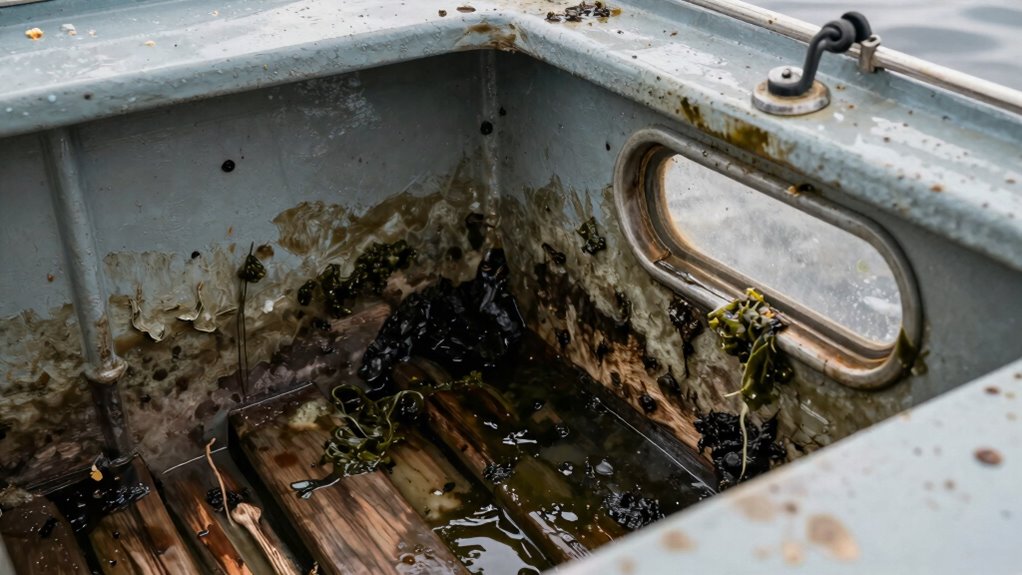
Many boat odors originate from moisture and organic matter that accumulate over time. Marine fungi thrive in damp environments, feeding on organic debris and producing musty, earthy smells. These fungi often develop in hidden areas like damp upholstery, cushions, or stored fabrics, creating persistent odors that can be tough to eliminate. Additionally, engine vapors are a common source of onboard smells. When engine vapors escape, they carry oily, chemical odors that linger in the boat’s enclosed spaces. Poor ventilation can worsen these smells, trapping vapors and moisture inside. Recognizing that moisture, marine fungi, and engine vapors are primary culprits helps you understand where odors come from and sets the stage for effective cleaning and odor control measures. Regularly inspecting for moisture accumulation in hidden areas can also help in preventing future odors and maintaining a fresh boat environment. Using specialized lint rollers can help remove pet hair and lint that might trap odors in fabrics and upholstery, improving overall freshness. Understanding the moisture buildup in hidden areas can also assist in preventing future odors and maintaining a fresh boat environment. Regularly inspecting and addressing moisture control issues is essential in keeping your boat smelling clean and fresh.
As an affiliate, we earn on qualifying purchases.
Inspect Your Boat for Visible Odor Sources
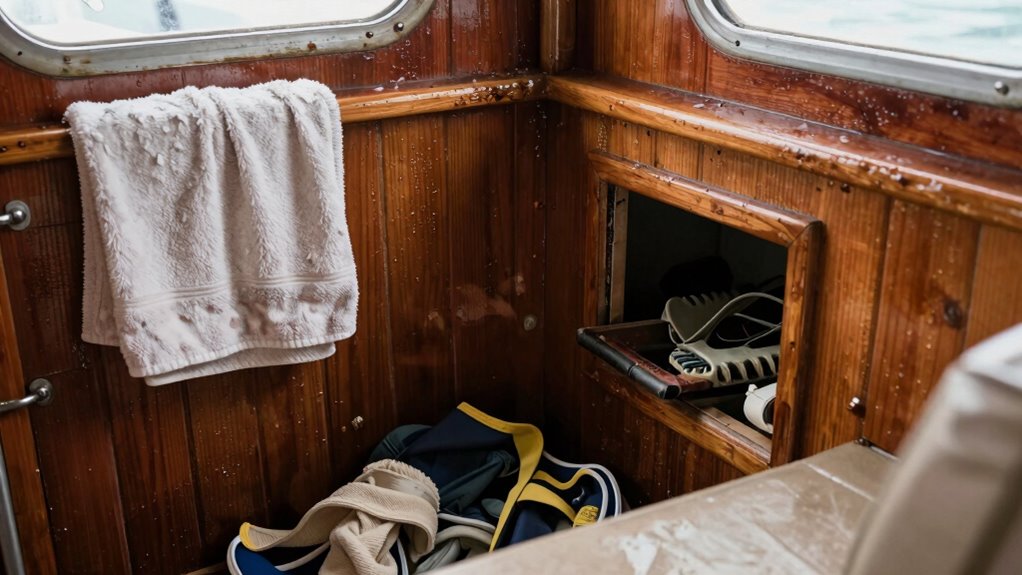
To effectively eliminate boat odors, you need to start by visually inspecting your vessel for obvious sources. Check the marine sanitation system, including the head and holding tanks, for leaks, spills, or buildup that could emit foul smells. Look for mold, mildew, or debris around hoses, valves, and vents. Examine cushions, upholstery, and fabrics for stains or dampness that might harbor odor sources. Inspect the bilge area for standing water or debris, as these often contribute to persistent smells. Also, examine storage compartments, lockers, and engine compartments for signs of leaks, mold, or grime. Recognizing common odor sources helps you identify problem areas more efficiently. Identifying visible odor sources gives you a clear starting point for targeted cleaning and maintenance, helping you eliminate the smell at its root. Paying attention to marine environment factors can also help prevent future odor buildup. Regularly checking for moisture buildup and promptly addressing leaks can significantly reduce persistent smells. Additionally, understanding how air circulation and ventilation influence odor dispersal can improve your deodorizing efforts, especially by ensuring proper airflow through ventilation systems.
As an affiliate, we earn on qualifying purchases.
Check the Bilge and Drainage Areas for Mold and Debris
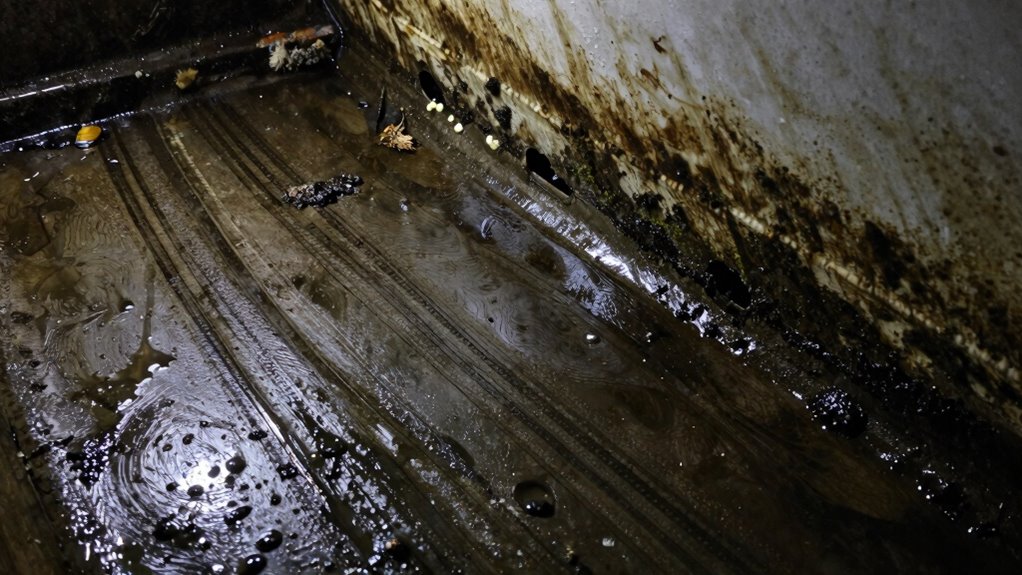
You need to regularly inspect the bilge and drainage areas for mold growth and debris buildup. Clearing out any debris prevents odors and mold from developing further. Keeping these areas clean is essential for maintaining a fresh-smelling boat. Additionally, ensuring proper ventilation and humidity levels can help prevent mold formation and maintain a healthy environment. Proper air circulation is crucial to reducing moisture buildup that fosters mold growth. Incorporating ventilation systems can significantly improve airflow and moisture control inside the boat. Regularly checking for cable failures or leaks that could contribute to excess moisture can further help in odor prevention. Monitoring humidity management is also vital in high-traffic areas to prevent mold and maintain overall interior integrity.
Inspect for Mold Growth
Mold can quickly develop in the bilge and drainage areas if moisture and debris are left unchecked. Look for signs of mold spores thriving in damp areas, especially where water tends to collect. Carefully inspect these spots, focusing on corners and crevices. Use a flashlight to highlight hidden mold growth and check for musty odors. If you notice any fuzzy or discoloration, clean immediately. To stay organized, refer to this quick guide:
| Area | Signs of Mold | Action Needed |
|---|---|---|
| Bilge | Fuzzy patches, smell | Clean thoroughly, dry completely, and ensure good ventilation to prevent recurrence |
| Drainage Trays | Discoloration, debris buildup | Remove debris, scrub, dry |
| Hoses | Mold spores, slimy residue | Rinse and disinfect |
| Ventilation Ports | Musty smell, dark spots | Clean and dry |
| Hidden Compartments | Hidden mold growth | Inspect and clean thoroughly |
Additionally, proper ventilation can help reduce moisture levels and prevent mold recurrence in these areas. Maintaining good drainage systems is vital for controlling water buildup that contributes to mold growth. Regularly checking airflow and ensuring it remains unobstructed is also essential for controlling humidity and avoiding mold growth over time.
Clear Debris Regularly
Regularly clearing debris from the bilge and drainage areas helps prevent mold buildup and keeps your boat smelling fresh. Remove leaves, dirt, and any accumulated waste to maintain proper marine ventilation. Debris can trap moisture, creating an ideal environment for mold and unpleasant odors. Use odor neutralizers in these areas to further combat smells and promote a clean environment. Make it a routine to check the bilge and drainage channels, especially after trips or heavy rain. Ensuring these spaces are free of debris allows airflow and helps moisture evaporate efficiently. Proper maintenance of your boat’s drainage system also prevents clogs that can lead to stagnant water and musty odors. Regular inspections can detect early signs of mold and prevent larger issues later. Staying proactive keeps your boat smelling fresh and reduces the need for extensive cleaning later. Keeping these areas clean and well-maintained supports marine ventilation and overall boat health. Additionally, maintaining good ventilation practices inside the boat can further reduce odors and improve air quality. Incorporating proper drainage maintenance techniques can also help sustain a fresh environment on your vessel.
As an affiliate, we earn on qualifying purchases.
Identify and Remove Food and Cabin Odors
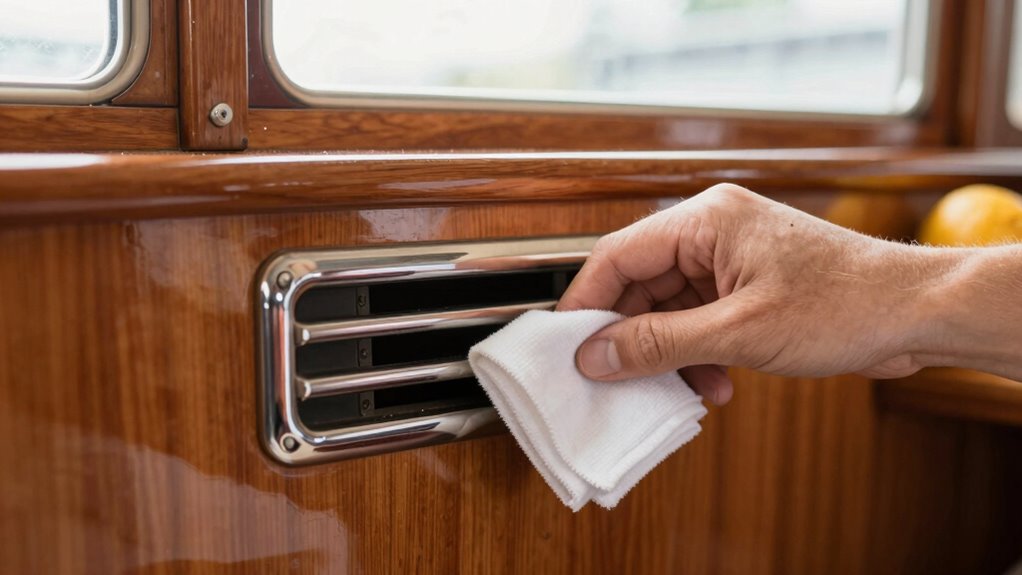
Start by inspecting your cabin for any hidden food debris that might be causing odors. Next, clean all kitchen surfaces thoroughly to remove lingering smells and residue. Finally, make sure proper ventilation to help freshen the air and keep odors from building up again.
Detect Food Debris
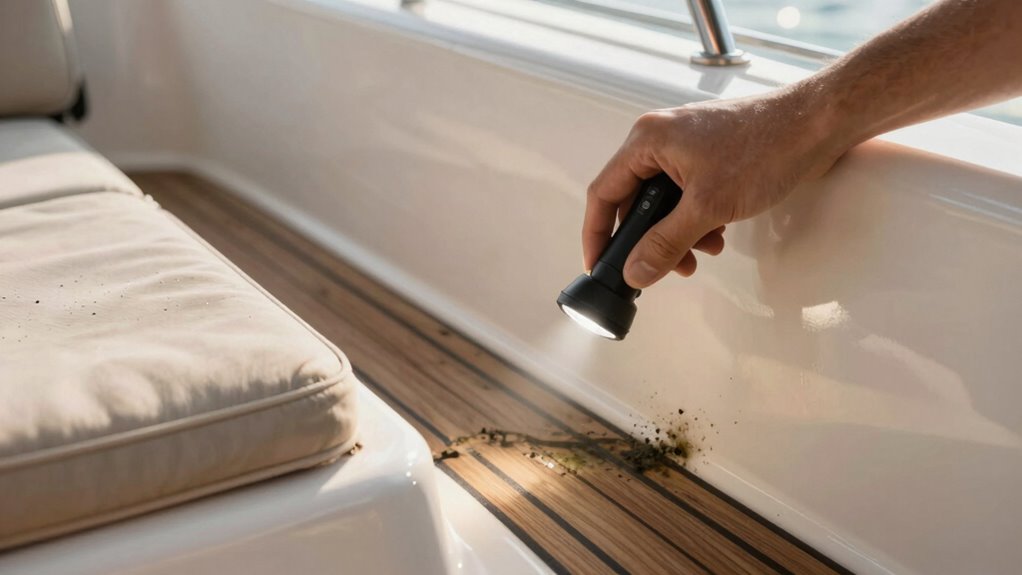
Food debris often causes lingering odors in your boat’s cabin, so it’s essential to identify and remove these sources promptly. Start by thoroughly inspecting common areas where food particles hide, such as cushions, corners, and storage compartments. Look for crumbs cleanup opportunities and check under seats and in crevices. Use a flashlight to spot hidden debris that may be missed during routine cleaning. Once found, carefully remove all food remnants to prevent odor buildup. Regularly vacuum or wipe down these areas to keep food debris at bay and maintain a fresh environment. Being diligent with detection and removal will help eliminate the root cause of unwanted cabin smells.
- Check upholstery seams and crevices for hidden crumbs
- Inspect storage compartments for leftover food
- Use a flashlight to locate hidden debris
- Regularly vacuum and wipe surfaces for clean-up
Clean Kitchen Surfaces
After removing visible food debris from cushions and storage areas, attention should turn to cleaning your boat’s kitchen surfaces. Use dish soap and a sponge scrub to wipe down counters, tables, and appliances thoroughly. This removes lingering food particles that cause odors. For extra freshness, pay special attention to corners and crevices where grime hides. Here’s a quick overview:
| Surface Type | Cleaning Method |
|---|---|
| Countertops | Dish soap + sponge scrub |
| Appliances | Wipe with damp cloth |
| Sink & Drains | Scrub with dish soap |
This process helps eliminate food odors at their source, ensuring your kitchen stays fresh and odor-free. Regular cleaning with dish soap and a sponge scrub is your best defense against persistent smells.
Ventilate Cabin Properly
To effectively remove food and cabin odors, proper ventilation is essential. Good air circulation helps dilute odors and replace stale air with fresh, clean air. Start by evaluating vent placement to maximize airflow throughout the cabin. Position vents near problem areas and ensure they are unobstructed. Use fans or open windows when possible to promote continuous air movement. Regularly operating ventilation systems can prevent odor buildup. Consider installing exhaust fans in the galley or bathroom to draw out cooking and bathroom smells. Proper vent placement ensures that fresh air flows in from the right directions, speeding up odor removal. Consistent ventilation keeps your cabin smelling fresh and prevents lingering food and cabin odors from taking hold.
Clean Your Boat Effectively to Eliminate Odors
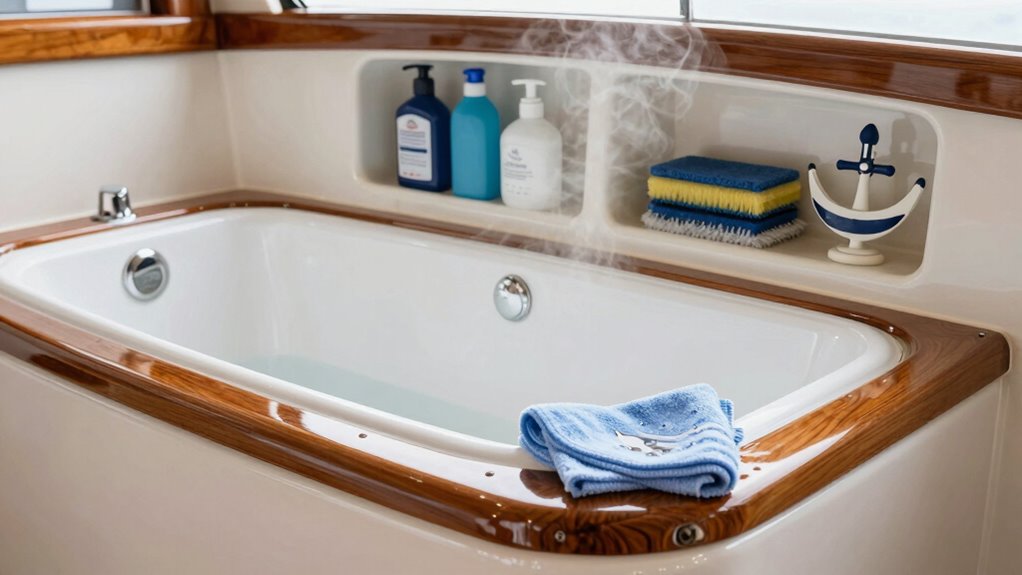
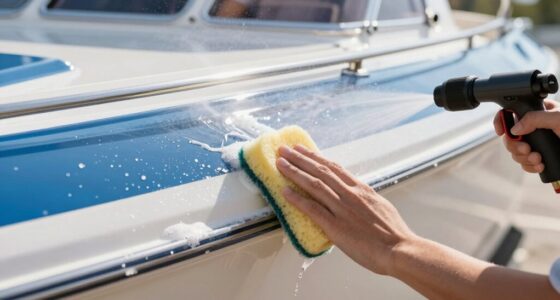
Making sure your boat smells fresh starts with a thorough cleaning routine. Begin by removing all debris and wiping down surfaces to eliminate grime and buildup. Focus on areas prone to moisture, like cushions, carpets, and storage compartments, as these harbor odors. Use marine sanitation products to disinfect and break down organic residues that cause smells. When cleaning, consider applying odor neutralizers to fabrics and upholstery to neutralize lingering smells effectively. Pay special attention to drains, bilge areas, and hidden corners where mold and mildew can develop. Rinsing thoroughly ensures no cleaning residue remains. Regular cleaning not only keeps your boat smelling fresh but also extends its lifespan. Consistent maintenance creates an environment that’s pleasant for everyone onboard.
Prevent Odors With Simple Maintenance Tips
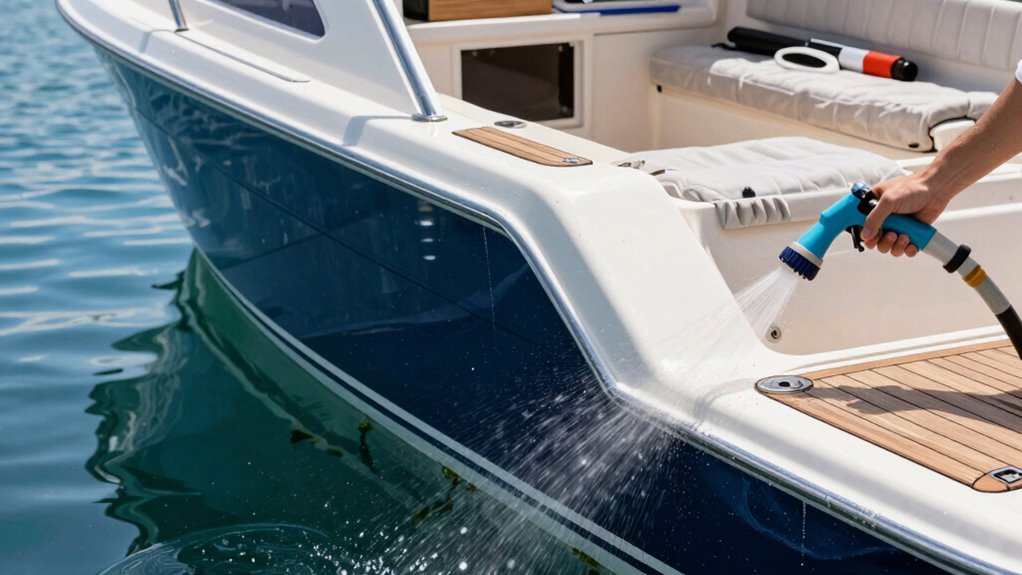
Regular maintenance is key to preventing odors from taking hold on your boat. Marine air can carry smells from external sources and trap them inside, making it essential to address odor sources early. Simple maintenance tips help keep your vessel fresh and odor-free. Start by ventilating your boat regularly, especially after trips. Clean and dry all compartments thoroughly to prevent mold and mildew. Keep drains clear and free of debris to avoid stagnant water. Use odor absorbers or marine air purifiers to neutralize lingering smells. These small steps effectively reduce the buildup of odor sources, ensuring your boat remains inviting and clean. Consistent upkeep not only preserves your boat’s condition but also keeps marine air fresh, making every voyage more enjoyable.
When to Call a Professional for Persistent Boat Smells
Even with consistent maintenance, some persistent odors can linger despite your best efforts. If marine air still carries a foul smell after cleaning, it’s time to call in a professional. Experts can perform detailed odor analysis to identify hidden sources that aren’t obvious, like mold or sewage leaks. They have specialized equipment to detect subtle smells and trace them to their source. When odors persist despite your cleaning, it’s often a sign that the problem is deeper than surface level. Professional services can thoroughly evaluate your boat’s ventilation system, bilge, and hidden compartments. Taking this step guarantees you don’t overlook underlying issues that could cause long-term damage or health concerns. Trusting a professional guarantees your boat’s interior is truly fresh and odor-free.
Keep Your Boat Smelling Fresh Long-Term
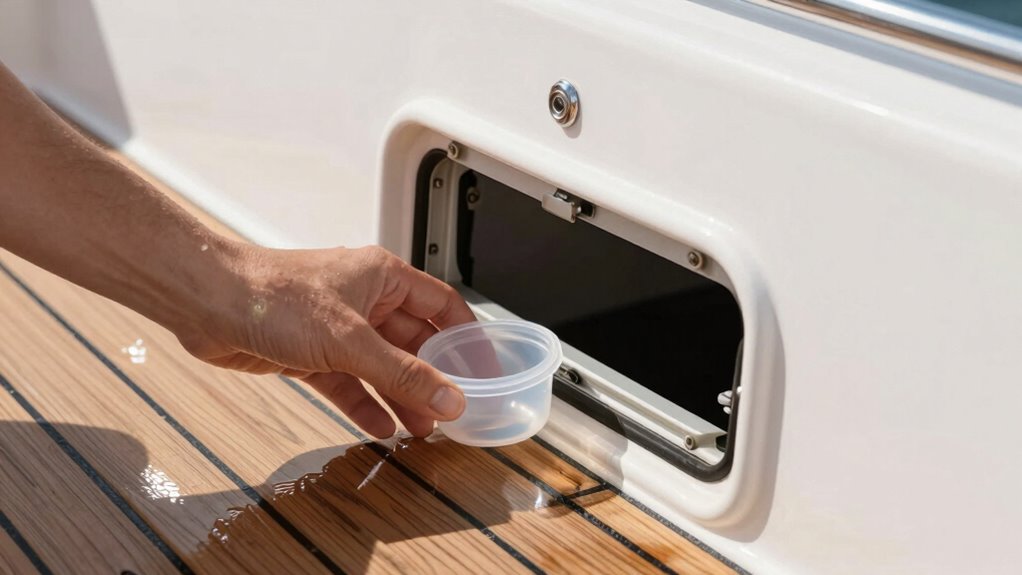
Maintaining a fresh-smelling boat requires consistent habits that prevent odors from taking hold over time. To achieve this, incorporate regular marine deodorization practices and use effective odor neutralizers. Keep ventilation channels clear to allow fresh air circulation, reducing moisture buildup. Clean and dry all surfaces, especially upholstery and storage compartments, after each trip. Consider deploying odor neutralizers designed specifically for marine environments, which trap and eliminate lingering smells. Additionally, regularly inspect and replace cabin air filters and use natural absorbents like activated charcoal. These proactive steps help sustain a clean, pleasant atmosphere onboard.
Consistently clean, ventilate, and use marine-specific odor neutralizers to keep your boat smelling fresh and inviting.
- Use specialized marine deodorization products for ongoing freshness
- Apply odor neutralizers in problem areas regularly
- Keep cushions and fabrics dry and aired out
- Maintain good ventilation to prevent moisture accumulation
Frequently Asked Questions
How Often Should I Perform Boat Odor Inspections?
You should perform boat odor inspections at least once a month, especially if you use your boat frequently. During these checks, make certain proper marine ventilation to circulate fresh air and identify any persistent smells. Use odor absorption techniques, like charcoal or baking soda, to eliminate odors early. Regular inspections help catch issues before they become stubborn, keeping your boat smelling fresh and welcoming every time you set sail.
What Are the Best Products to Neutralize Boat Odors?
Banish bad boat odors with brilliant products like marine enzyme cleaners and odor neutralizing sprays. Marine enzyme cleaners break down organic matter that causes smells, while odor neutralizing sprays swiftly suppress stench with fresh fragrances. You should choose products specifically designed for boats, ensuring they’re safe for marine environments. Regular use of these powerful products keeps your boat smelling sweet, ensuring smooth sailing and a fresh, fabulous finish every time.
Can Outdoor Weather Affect Boat Smell Severity?
Yes, outdoor weather can affect boat smell severity. High outdoor humidity, especially during rainy or humid seasons, encourages mold and mildew growth, making odors worse. Seasonal weather changes, like hot summer days or cold, damp winters, also impact how smells develop and linger. You should regularly ventilate your boat, especially during humid or rainy periods, to reduce odor buildup and keep it smelling fresh.
Are There Eco-Friendly Options for Cleaning Boat Odors?
Yes, you can use eco-friendly options like biodegradable cleaners and natural deodorizers to clean boat odors. These products break down safely without harming the environment, making them great choices for boat maintenance. You simply apply biodegradable cleaners to surfaces with odors, then use natural deodorizers like baking soda or citrus-based sprays to neutralize smells. This approach keeps your boat fresh while protecting the environment.
How Do I Prevent Odors From Returning After Cleaning?
Ironically, preventing odors from returning is easier than you think. You just need to keep the boat aired out with proper ventilation tips—crack open hatches after trips and let fresh air circulate. Use natural or eco-friendly deodorizer choices regularly to keep smells at bay. Consistent airflow and thoughtful deodorizer use create a fresh environment, so you don’t have to chase persistent odors every time you step aboard.
Conclusion
By identifying the source and cleaning thoroughly, you restore freshness to your boat. Neglect the odors, and they’ll linger, turning your relaxing day into a stinky ordeal. Regular maintenance keeps your vessel inviting, but unresolved issues demand professional help. A clean boat feels like a sanctuary, while a neglected one becomes a battleground against stubborn smells. Take action now—your boat’s comfort and your peace of mind depend on it.
Halloween Picks
halloween
As an affiliate, we earn on qualifying purchases.