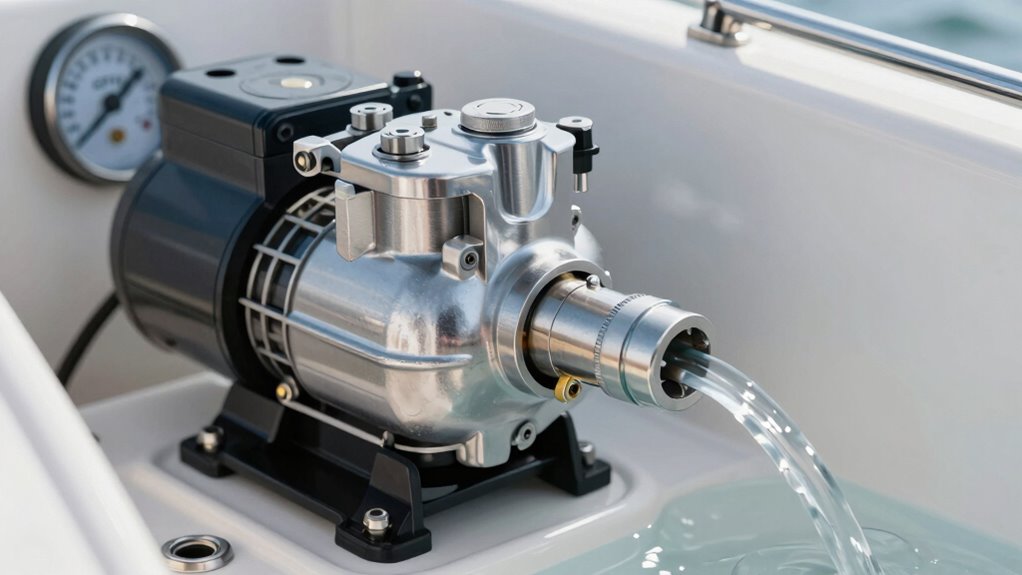
GPH tells you how much water a bilge pump can move per hour, but it doesn’t tell the full story. Factors like pump design, installation quality, switch reliability, and environmental conditions can markedly affect real-world performance. Debris, rough seas, and electrical issues may reduce effectiveness, even if the GPH rating is high. To ensure your boat’s safety, it’s essential to look beyond GPH and consider these practical factors—you’ll find more useful tips ahead.
Key Takeaways
- GPH measures water flow rate but doesn’t account for environmental factors like debris or rough seas affecting real-world performance.
- Proper installation, including hose quality and wiring, significantly impacts the pump’s actual effectiveness beyond GPH ratings.
- Switch type, placement, and maintenance influence activation reliability, which GPH alone cannot predict.
- GPH ratings do not reflect how environmental conditions or debris may clog intakes and reduce pump efficiency.
- Selecting a pump based solely on GPH can overlook important factors like durability, safety features, and system integration.

SEAFLO 01 Series 4700 GPH Bilge Pump – 12V, 2" Outlet, Marine Submersible Pump, Anti-Airlock Protection, Snap-Off Strainer Base, CE & RoHS Certified – 4-Year Warranty
[ SPECIFICATIONS ]: Model Number: SFBP1-G4700-01 | Voltage: 12V DC | Flow Rate: 4700 GPH | Outlet Diameter:…
As an affiliate, we earn on qualifying purchases.
As an affiliate, we earn on qualifying purchases.
What GPH Tells You About Your Bilge Pump’s Capacity
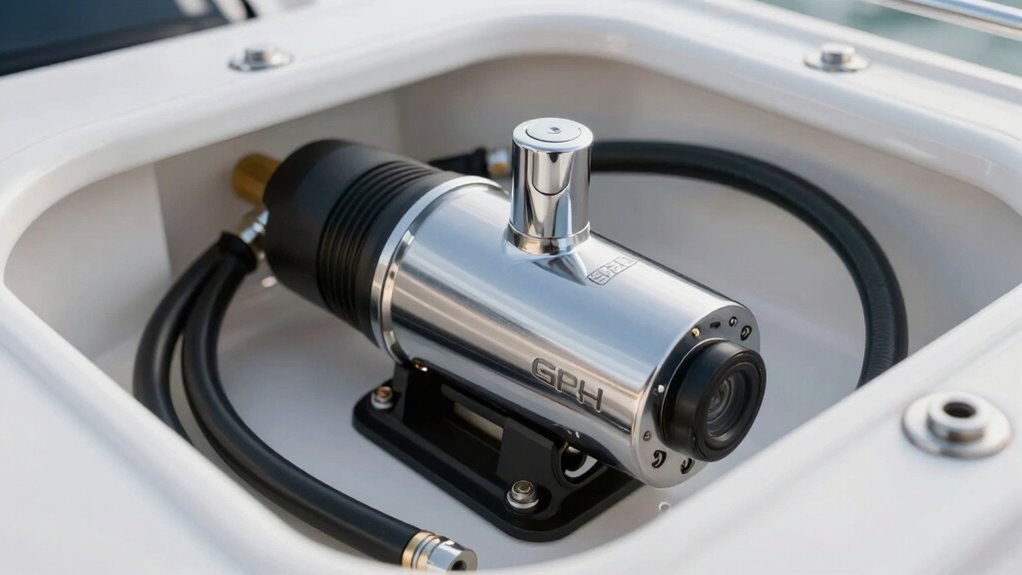
Understanding what GPH (gallons per hour) indicates about your bilge pump’s capacity is essential for proper boat maintenance. GPH measures how much water your pump can move in an hour, helping you determine if it can handle your boat’s needs. Keep in mind that a float switch triggers automatic activation when water reaches a certain level, ensuring your pump responds promptly without manual intervention. A higher GPH means your pump can remove water faster, but it’s also important to consider how the float switch interacts with this capacity. If your float switch isn’t functioning correctly or is poorly positioned, even a high-capacity pump won’t perform at its best. Proper float switch placement and calibration are crucial for optimal operation. Additionally, understanding the horsepower of your bilge pump can provide insights into its overall performance and durability. Being aware of flow rate variations and how they impact pumping efficiency helps in making an informed choice. Moreover, considering how essential oils can support boat maintenance routines by preventing mold and odors may contribute to a healthier environment onboard. Recognizing the importance of pump compatibility with your boat’s wiring and plumbing systems can prevent potential issues. Ultimately, understanding GPH helps you select the right pump for your boat’s specific requirements.
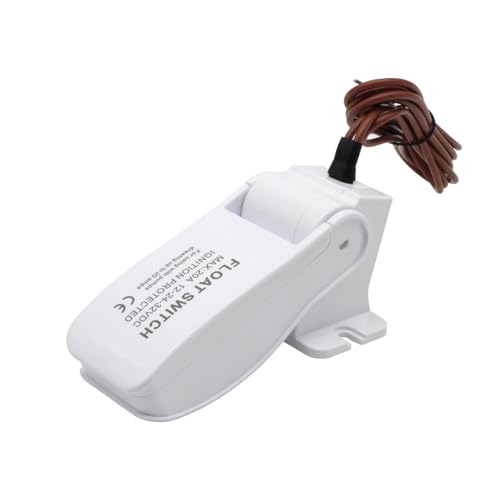
CREATORELE Automatic Bilge Pump Float Switch DC12V 24V 32V Marine Water Pump Float Switch for Ponds, Pools, and Boats
【Automatic Start/Stop】This bilge pump float switch activates at 51mm water level and deactivates at 20mm, ensuring reliable automatic…
As an affiliate, we earn on qualifying purchases.
As an affiliate, we earn on qualifying purchases.
Why Pump Design Matters for Effective Bilge Removal
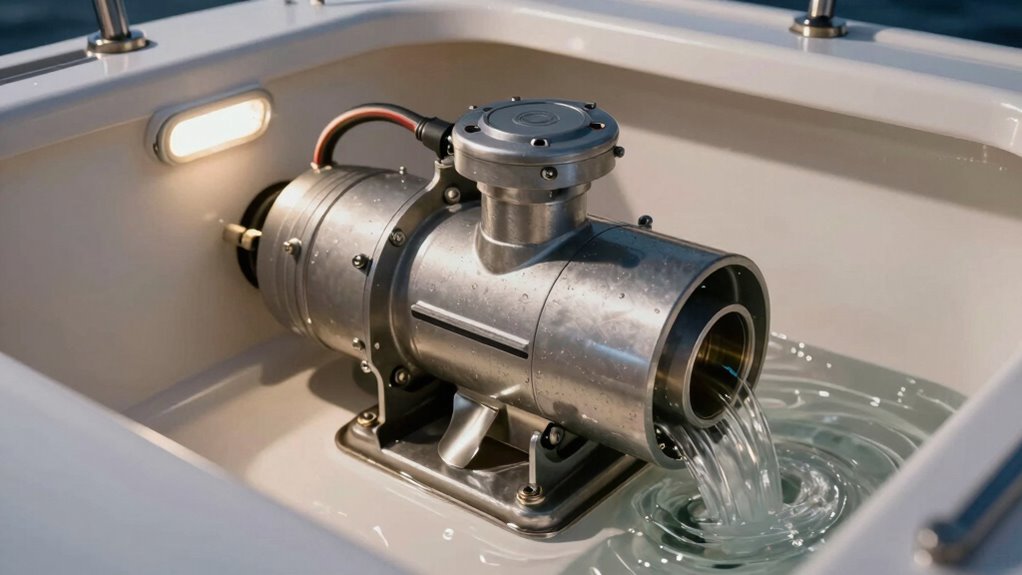
The design of your bilge pump directly influences how effectively it removes water from your boat. A well-designed pump ensures reliable operation and efficient water removal. Key factors include:
- The float switch placement and design, which affect when the pump activates and prevents dry running. Proper float switch placement is crucial to avoid false triggers caused by debris or boat movement. Proper float switch placement ensures the pump responds accurately to changing water levels. Additionally, selecting a float switch with water-resistant components can help prevent corrosion and prolong its lifespan. Ensuring the float switch is properly secured can also prevent it from shifting during operation.
- Proper wiring configuration guarantees safe, consistent power flow, reducing failure risks.
- The pump’s impeller design impacts water flow and suction strength.
- The discharge outlet size and positioning influence how quickly water is expelled.
- Selecting a pump with proper maintenance practices can help extend its lifespan and ensure consistent performance.
Choosing a pump with a sturdy float switch and correct wiring setup ensures it responds accurately to water levels. Good design minimizes downtime and maximizes bilge removal, keeping your boat safe and dry.

Connect-Ease 12V Multi-4 Fused Connection Kit RCE12VB4FK | Perfect for Battery Charger, Depth Finders, Bilge Pumps, and Marine Accessories | Heavy Duty UL1426 Tinned Copper Wire | Battery NOT Included
Quick & Reliable Multi-Device Connection: Easily connect up to four marine electronics or accessories to a single 12V…
As an affiliate, we earn on qualifying purchases.
As an affiliate, we earn on qualifying purchases.
How Switch Types and Activation Affect Pump Reliability
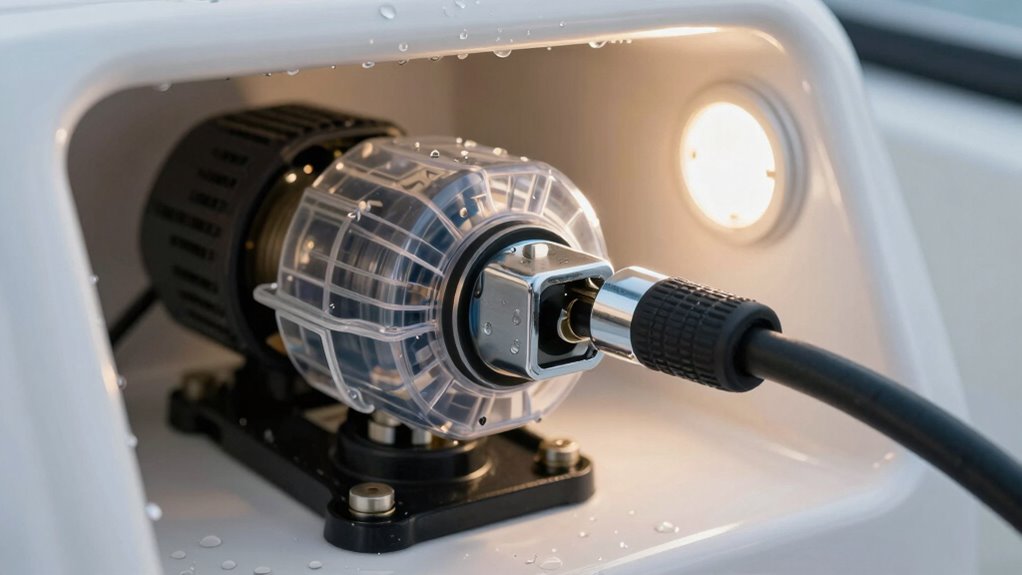
The type of switch you choose can influence your bilge pump’s reliability and compatibility with your system. Activation methods, like float switches or electronic sensors, also play a role in how consistently your pump operates. Regular maintenance helps prevent switch wear and guarantees your system remains responsive when you need it most. Additionally, selecting pest-resistant switches can enhance longevity and reduce the risk of malfunctions caused by environmental factors. Ensuring the switch is suitable for marine environments can further improve overall pump performance. Considering tracking gear options that resist corrosion can also help maintain switch functionality in challenging conditions, especially in harsh marine environments. Incorporating switches with corrosion-resistant materials can significantly extend their service life in demanding settings.
Switch Types and Compatibility
Choosing the right switch type is essential because it directly impacts the reliability and longevity of your bilge pump. Your switch must be compatible with your pump and withstand harsh marine conditions. Here are key factors to consider:
- Switch Compatibility: Ascertain the switch matches your pump’s voltage and current requirements. Ensuring proper electrical compatibility prevents malfunctions and damage. Additionally, verifying that your switch meets specific marine standards can enhance safety and performance. Understanding marine electrical requirements can further optimize your setup. Recognizing switch ratings and how they relate to your system is crucial for safe operation.
- Switch Durability: Look for switches made from corrosion-resistant materials to handle exposure to water and salt.
- Activation Type: Choose between float switches, pressure switches, or manual switches based on your needs.
- Electrical Ratings: Confirm the switch’s electrical ratings align with your system to prevent failure and ensure reliable operation.
- Standards and Regulations: Ensure the switch complies with relevant industry standards for marine safety and performance.
Selecting a switch with proper compatibility and durability guarantees your bilge pump performs consistently and lasts longer.
Activation Methods and Reliability
Ever wondered how the type of switch and activation method influence your bilge pump’s reliability? Your choice of a float switch or manual activation impacts how consistently your pump responds to water buildup. Float switches automatically turn the pump on when water reaches a certain level, reducing the risk of flooding caused by human error. However, they can fail due to debris, corrosion, or sticking. Manual activation offers control but relies on timely action from you; if forgotten, the bilge may flood. Combining a reliable float switch with manual activation as a backup enhances overall dependability. Understanding these activation methods helps you select a system that ensures your bilge pump operates when needed, minimizing risks and improving long-term reliability. Proper system design] and regular maintenance also play crucial roles in ensuring your bilge pump functions effectively when required.
Maintenance and Switch Wear
Switch types and activation methods directly influence how much wear and tear your bilge pump’s switch experiences over time. Choosing the right switch can improve switch durability and reduce maintenance needs. To maximize reliability, consider these points:
- Automatic bilge switches generally last longer due to less frequent manual intervention.
- Float switches may need regular cleaning to prevent debris buildup that can cause false activations. Proper installation position can also minimize debris accumulation.
- Manual switches often experience less wear but require diligent maintenance schedules to ensure proper operation.
- Pressure or electronic switches tend to have higher switch durability but may need periodic inspection for component integrity.
- Being aware of ethical considerations in consumer choices can help you select safer and more reliable equipment, ensuring peace of mind during operation. Regular inspections and adherence to manufacturer guidelines can further enhance switch longevity.
Regular maintenance schedules prevent switch failure, ensuring your bilge pump remains reliable when you need it most. Proper switch selection and upkeep extend your pump’s lifespan and performance.
CREATORELE Automatic Bilge Pump Float Switch DC12V 24V 32V Marine Water Pump Float Switch for Ponds, Pools, and Boats
【Automatic Start/Stop】This bilge pump float switch activates at 51mm water level and deactivates at 20mm, ensuring reliable automatic…
As an affiliate, we earn on qualifying purchases.
As an affiliate, we earn on qualifying purchases.
Installation and Plumbing Factors That Impact Pump Performance
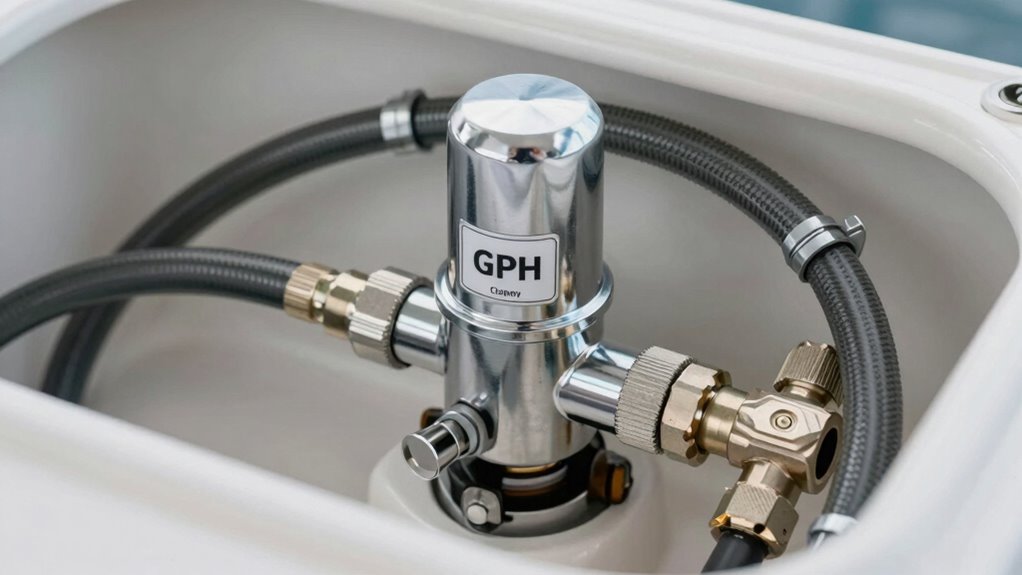
The way you install and pipe your bilge pump can considerably influence its performance. Proper plumbing ensures smooth water flow, reducing restrictions that can lower efficiency. Use reinforced hoses and secure fittings to prevent leaks or disconnections. Keep hoses as straight and short as possible to maintain ideal flow rates. When wiring your pump, ensure your electrical wiring is sturdy and correctly connected, avoiding loose connections that can cause intermittent operation. Integrate marine electronics like float switches and sensors carefully, following manufacturer guidelines to prevent false triggers or missed alarms. Good installation practices minimize pressure loss and electrical issues, allowing your pump to operate at its best when needed. Proper setup ultimately maximizes pump reliability and effectiveness, giving you peace of mind on the water.
Environmental Conditions and Real-World Factors That Limit Pump Effectiveness
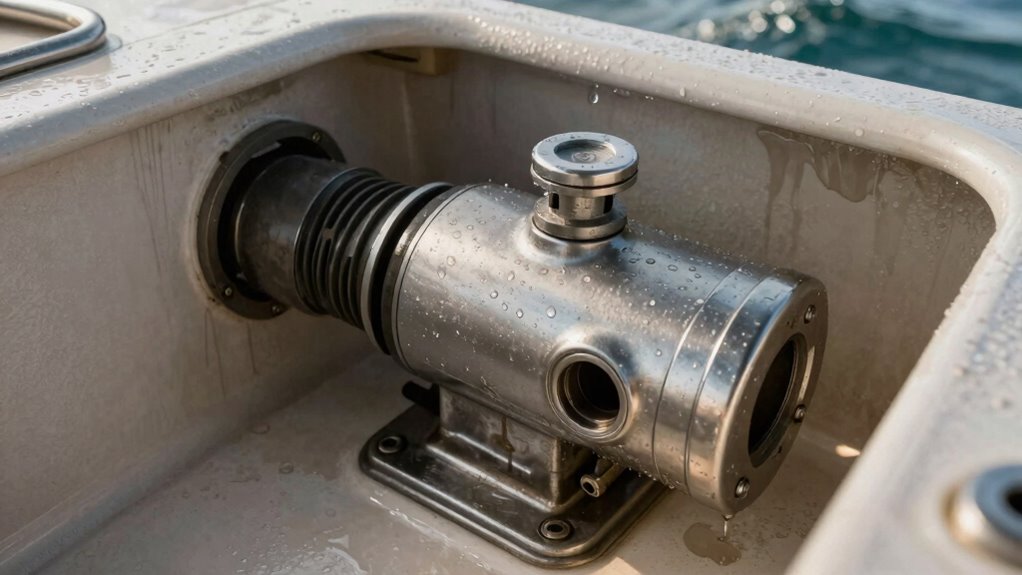
Environmental conditions and real-world factors can considerably limit your bilge pump’s effectiveness, even if it’s properly installed. Marine pollution, debris, and fluctuating water levels challenge pump performance. For example:
- Debris and sludge can clog intake screens, reducing flow.
- Rough seas and waves create unpredictable water movement, making it harder for pumps to keep up.
- Temperature variations affect pump materials, especially eco-friendly options that may be less durable.
- Contaminants and pollutants can corrode or damage components, diminishing efficiency.
These factors highlight that GPH ratings don’t tell the whole story. Environmental conditions and pollutants impact how well your bilge pump works, emphasizing the need for robust, eco-friendly materials and regular maintenance to ensure reliable operation.
Going Beyond GPH: Key Considerations for Reliable Boat Safety
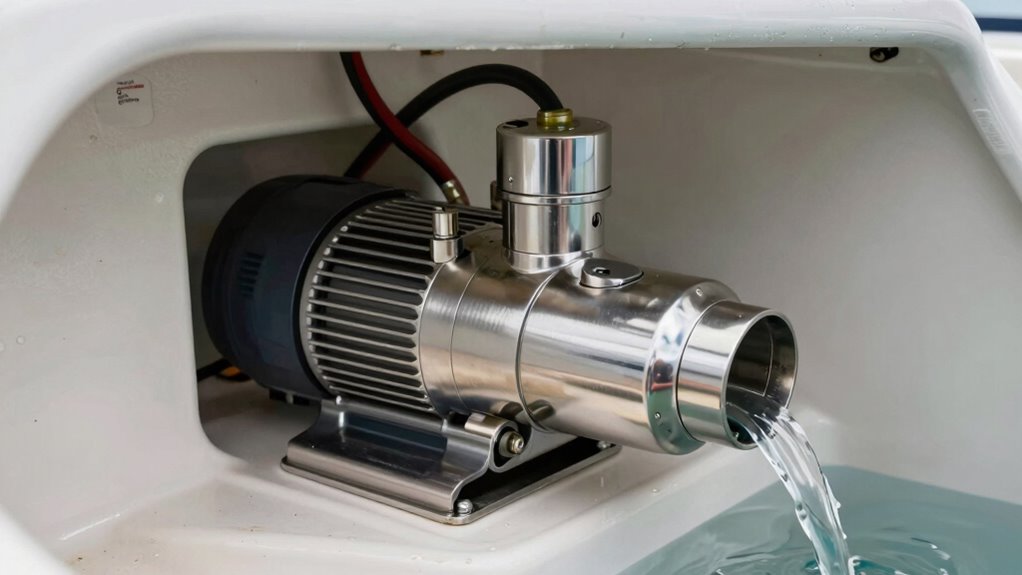
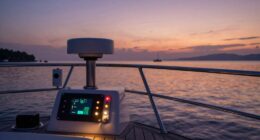
While GPH ratings provide a baseline for a bilge pump’s capacity, relying solely on these numbers can give a false sense of security. To guarantee reliable boat safety, you need to take into account how your marine electronics integrate with your bilge system, providing real-time alerts and system status updates. Regular boat maintenance is vital—inspect hoses, switches, and wiring to prevent failures during emergencies. Don’t overlook the importance of proper installation, which affects pump efficiency and longevity. Understanding how your pump performs under different conditions helps you avoid surprises. Ultimately, a thorough approach that combines accurate marine electronics data, diligent maintenance, and awareness of your boat’s specific needs ensures your bilge system works when it matters most, keeping you safe on the water.
How to Choose the Best Bilge Pump for Your Boat: A Practical Guide
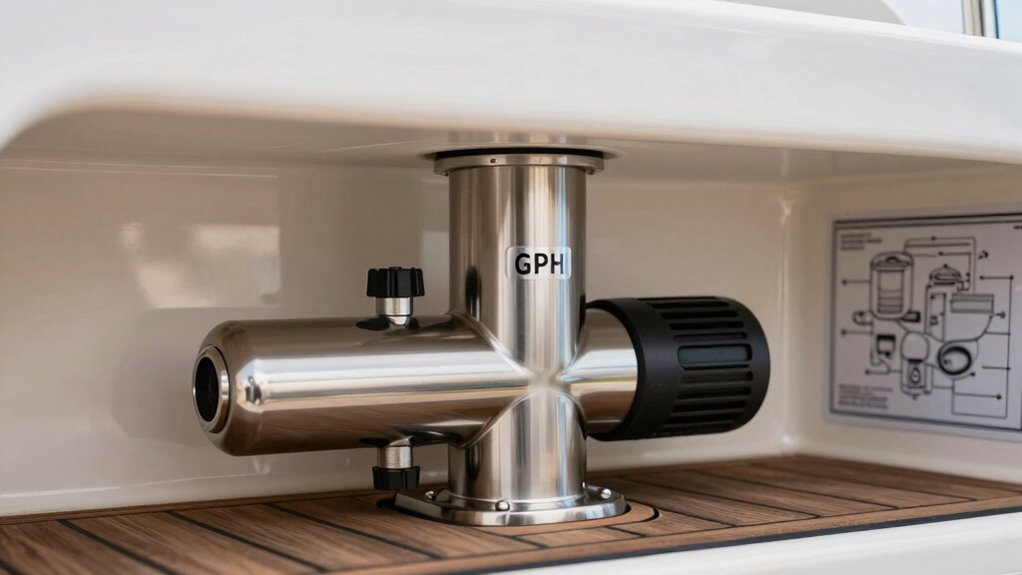
Choosing the right bilge pump for your boat is essential to guarantee safety and effective water removal. To do this, consider these factors:
- Capacity and Flow Rate: Match the pump’s GPH to your boat’s size and potential water volume.
- Electrical Wiring: Ensure proper wiring that’s marine-certified for safety and durability.
- Power Source: Confirm compatibility with your boat’s electrical system, whether 12V or 24V.
- Marine Certifications: Choose pumps with certifications like UL or ISO to guarantee quality and reliability.
Frequently Asked Questions
How Does Pump Head Height Affect Overall Bilge Pumping Efficiency?
Your bilge pump’s efficiency drops as pump head, or elevation impact, increases. When you raise the pump’s outlet height, it has to work harder to move water uphill, reducing flow rate. This means the actual GPH is less than the pump’s rated capacity at higher pump head heights. To guarantee reliable performance, consider the pump’s maximum head and choose one that can handle your specific elevation needs.
What Role Does Power Source Stability Play in Pump Performance?
Did you know that unstable power sources can reduce your bilge pump’s efficiency by up to 30%? Power fluctuations and voltage instability directly impact pump performance, causing inconsistent operation or failure when you need it most. To keep your bilge pump working reliably, guarantee your power source maintains steady voltage stability. This minimizes disruptions, helps maintain peak pumping capacity, and keeps your vessel safe during emergencies.
Can Environmental Factors Cause Bilge Pump Failure Over Time?
Environmental factors can cause your bilge pump to fail over time. Corrosion issues weaken metal components, reducing efficiency and risking breakdowns. Biofouling buildup, like algae and barnacles, clogs the intake and impairs performance. Regular maintenance and inspections help prevent these problems, ensuring your pump stays reliable. Neglecting environmental impacts can lead to reduced pump lifespan and potential flooding, so stay vigilant and address issues promptly.
How Do Noise Levels Impact Pump Selection and Boat Comfort?
Think of noise levels as the soundtrack to your boat’s comfort; loud pumps can turn serenity into chaos. When selecting a bilge pump, you want it to hum softly, blending into your vessel’s symphony rather than clashing like a thunderstorm. Low noise levels keep your boat peaceful, ensuring that functionality doesn’t drown out relaxation. Choose a quieter pump to maintain a calm, enjoyable voyage—less noise, more peace.
What Maintenance Routines Ensure Long-Term Pump Reliability?
You should regularly inspect your pump for signs of wear or corrosion and clean it to prevent clogs. Check the seals during inspections and replace them if you notice leaks or deterioration. Maintaining your bilge pump involves routine pump inspection and timely seal replacement, which helps guarantee reliable operation and long-term durability. Staying proactive with these routines can prevent failures and keep your boat safe and ready.
Conclusion
Remember, relying solely on GPH is like judging a superhero by their cape—it’s not the whole story. Your bilge pump’s true power depends on design, switch type, installation, and how tough conditions get. Choose wisely, or risk your boat sinking into oblivion! With the right pump, you’ll be unstoppable, ready to face any storm head-on. Don’t settle for less—because when it comes to safety, only the best will do!