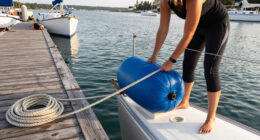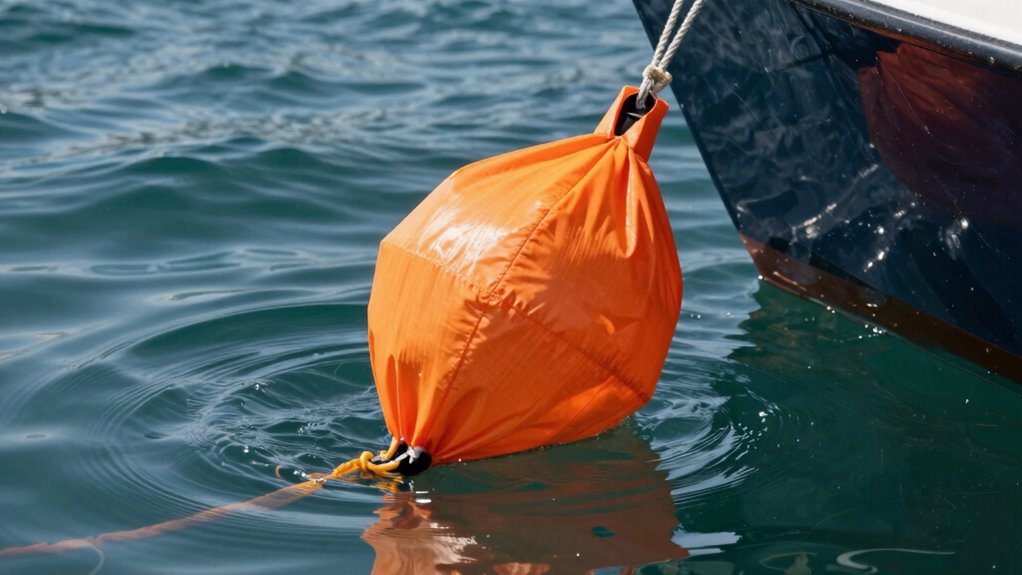
To use a sea anchor or drift sock safely, you first assess weather conditions and choose the right size for your boat. Deploy it carefully by paying out the line slowly while controlling it to prevent tangles. Make sure everything is secure, and communicate clearly with your crew. Monitor the boat’s behavior, adjust as needed, and retrieve the gear with attention to avoid damage. Keep learning how proper techniques can improve your safety and control at sea.

Get sports gear delivered free with Prime
- Fast, free delivery on millions of items
- Prime Video, Amazon Music and more included
- Member-only deals all year
Key Takeaways
- Assess weather and water conditions to determine the appropriate size and deployment method for safety and effectiveness.
- Attach the drift sock or sea anchor securely to the bow or stern with proper lines before deploying slowly to prevent tangles.
- Pay out the device gradually, controlling line tension to avoid snags, and monitor boat handling during deployment.
- Continuously observe for tangling, chafing, or improper drag, and adjust or retrieve as necessary for optimal performance.
- After use, carefully retrieve, inspect for damage, fold properly, and store in a dry, ventilated area to maintain gear integrity.
As an affiliate, we earn on qualifying purchases.
What Are Sea Anchors and Drift Socks, and How Do They Work?
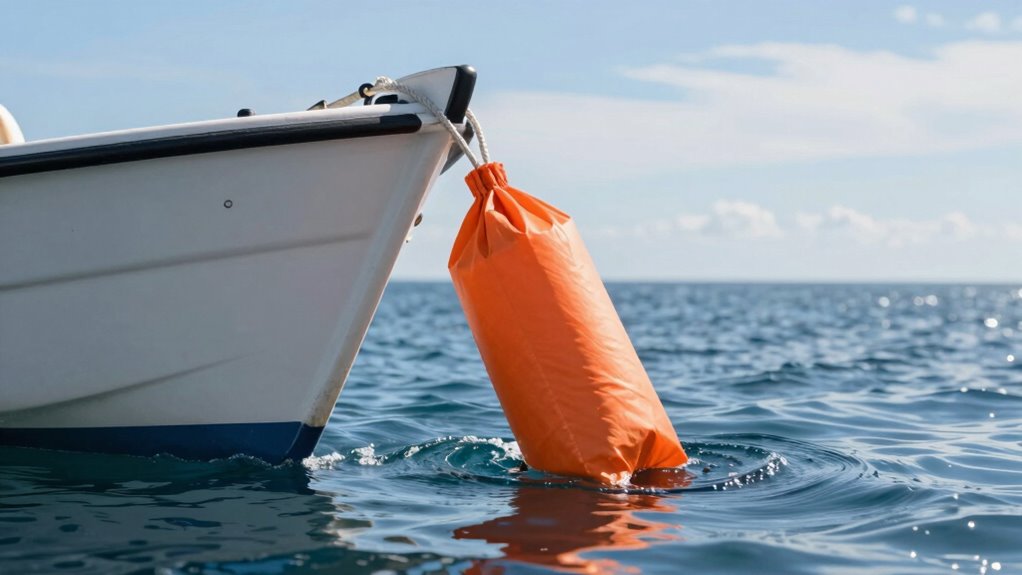
Ever wondered how boaters control their vessel’s movement in rough seas? Marine navigation becomes more manageable when you understand sea anchors and drift socks. These devices act like underwater brakes, helping you slow down or steady your boat against strong currents and wind. Weather considerations are vital; understanding wind direction and wave patterns allows you to deploy them effectively. A sea anchor typically involves a large parachute or cone-shaped device that resists forward motion, while a drift sock is a smaller, sock-shaped bag that creates drag. Both work by increasing water resistance, reducing drift, and maintaining stability. Proper deployment depends on correct weather assessment, which is crucial for effective use. Additionally, knowing how to deploy and retrieve these devices correctly can prevent accidents and damage. Regular practice with deploying a drift sock or sea anchor can enhance your confidence and safety at sea. Using these tools properly can improve safety and control, especially during unexpected weather changes or adverse sea conditions.
As an affiliate, we earn on qualifying purchases.
When and Why Should You Use a Sea Anchor or Drift Sock?
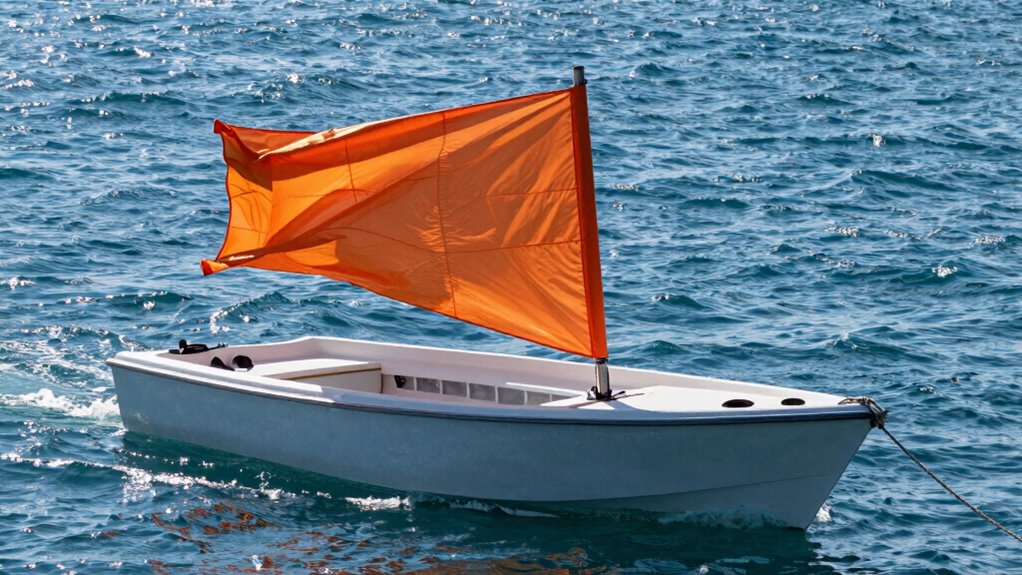
You should consider deploying a sea anchor or drift sock during rough weather, when you need to guarantee control and stability. They’re also valuable for safety, helping you prevent capsizing or drifting off course. Knowing when and why to use them ensures you can handle challenging situations effectively. Additionally, understanding different marine safety equipment can also make a significant difference in emergency situations. Properly deploying a drift sock can reduce hull stress and conserve fuel, making your voyage safer and more efficient. Recognizing wind and current patterns can further assist in determining the optimal timing for deploying safety gear. Being aware of projector technology features can help you choose the right equipment for a safe and secure journey.
Situations for Deployment
Knowing when to deploy a sea anchor or drift sock is essential for maintaining control and safety on the water. You should use one when dealing with strong currents, high winds, or rough seas that threaten to push your boat off course or cause instability. It’s also helpful when you encounter marine debris or obstacles, such as floating logs or debris that could damage your hull or propeller. Additionally, if you’re fishing and want to stay within specific fishing regulations or protected zones, deploying a drift sock can keep you steady and prevent unintentional violations. Deploying a sea anchor can slow your drift, giving you better control over your vessel’s position and making it easier to navigate safely through challenging conditions. Free floating techniques can also be used to improve a boat’s stability and position in various situations.
Safety and Control Benefits
Using a sea anchor or drift sock substantially enhances safety and control by helping you maintain your vessel’s position and stability in challenging conditions. This is especially important when steering hazards like rocks, reefs, or strong currents, where precise positioning reduces risks. By limiting drift, you can better assess and respond to unforeseen navigation hazards. It also improves crew communication, as everyone can work with a stable platform, making coordination easier. Using a sea anchor provides better control during rough seas or sudden weather changes, preventing dangerous collisions or capsizing. Incorporating proper training on deployment techniques further maximizes the effectiveness and safety of using these devices. Additionally, understanding deployment techniques is crucial to ensuring quick and safe deployment during emergencies. Overall, deploying a sea anchor or drift sock ensures safer passage, minimizes accident risks, and keeps your vessel steady, giving you peace of mind in unpredictable situations.
As an affiliate, we earn on qualifying purchases.
How to Deploy a Sea Anchor Safely and Effectively
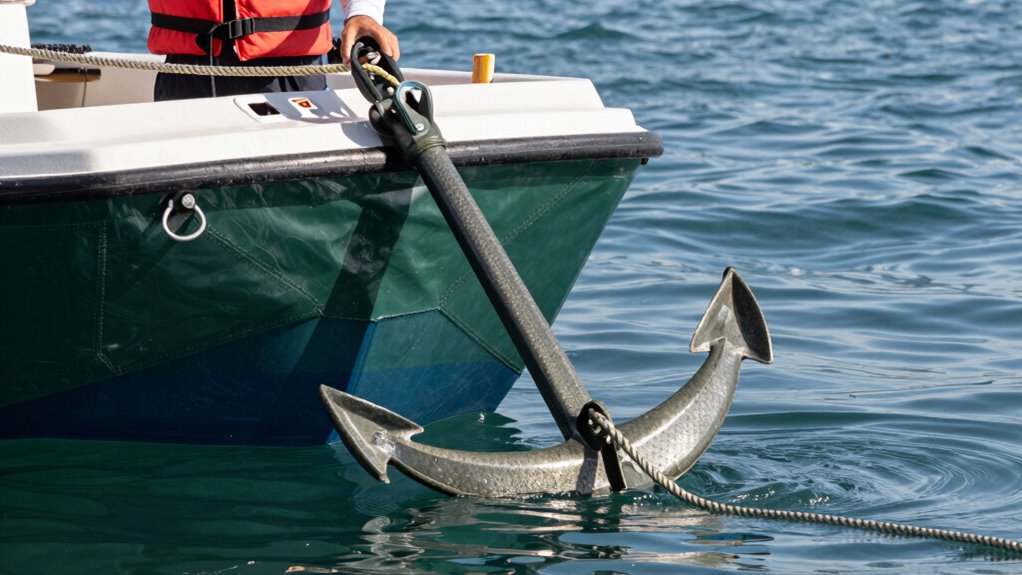
Properly deploying a sea anchor requires careful planning to guarantee it functions effectively and safely. Before deploying, check marine navigation charts to identify safe deployment zones away from obstacles. Assess weather considerations, such as wind speed and wave height, to determine the best moment for deployment. Ensure all equipment is ready and securely attached, including lines and anchors. When deploying, slowly pay out the line while maintaining control, preventing tangles or snags. Keep an eye on your boat’s heading and make adjustments as needed. Communicate clearly with your crew to coordinate the process smoothly. Remember, proper planning and awareness of weather conditions are essential to maximize safety and effectiveness during deployment. Incorporating knowledge of regional weather patterns can also help anticipate changing conditions and improve deployment safety. Additionally, understanding marine hazard awareness can significantly reduce risks during sea anchor deployment. Being aware of local wind patterns can further assist in timing and executing deployment safely. Staying informed about seasonal weather variations can provide additional insights to enhance safety and effectiveness during deployment. Regularly monitoring weather updates can help adapt your plan as conditions evolve, further increasing safety.
As an affiliate, we earn on qualifying purchases.
How to Retrieve and Stow Your Sea Anchor or Drift Sock Properly
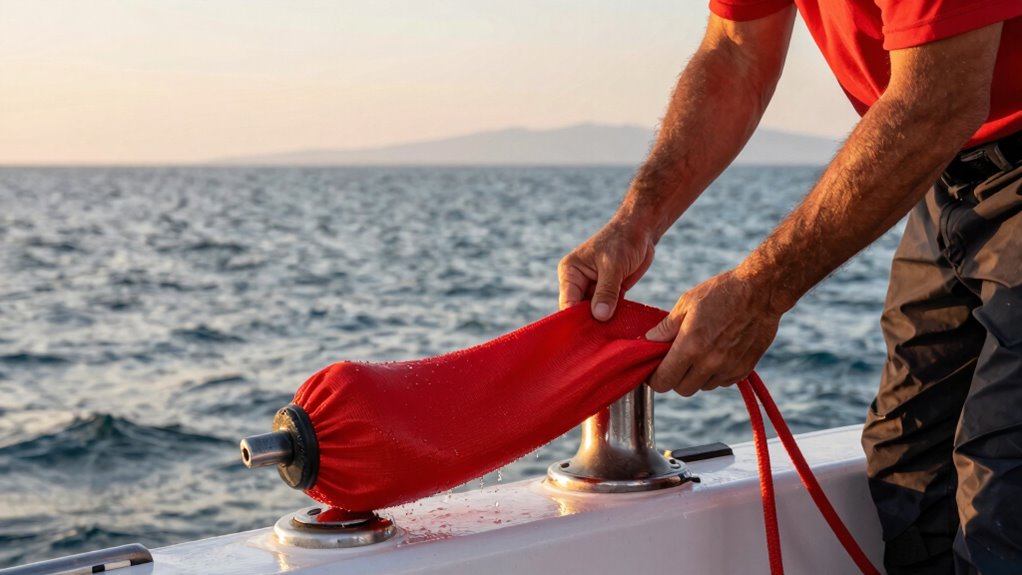
When retrieving your sea anchor or drift sock, start by carefully clearing the tether to prevent tangles. Once it’s out of the water, fold or roll it properly to keep it neat and manageable. Additionally, inspecting the fabric for any signs of damage can help maintain its durability. Finally, store it in a dry location to guarantee it’s ready for next time. Proper storage and handling can extend the lifespan of your equipment and ensure optimal performance.
Clear the Tether Carefully
Before you start retrieving your sea anchor or drift sock, it’s essential to carefully clear the tether to prevent tangling or damage. Good tether management begins with paying close attention to deployment techniques, ensuring the line isn’t twisted or knotted during deployment. As you begin reeling in, keep a firm grip and feed the tether smoothly to avoid snags. Watch for any resistance or knots forming, and if you encounter any, stop and carefully untangle before proceeding. Maintain a steady pace, ensuring the tether stays aligned and free of tangles. Properly clearing the tether helps prevent damage to your gear and makes retrieval safer and more efficient, allowing you to stow the sea anchor or drift sock quickly and securely. Additionally, understanding the types of gear used in marine environments can help you select the right equipment for your needs. Being familiar with marine safety practices can also contribute to a safer and more effective retrieval process. Regularly inspecting your gear for signs of wear and cable failures can prevent unexpected issues during retrieval. Paying attention to tether material properties can also improve durability and reduce the likelihood of breakage during retrieval. Incorporating proper maintenance techniques can extend the lifespan of your gear and enhance safety.
Fold or Roll Properly
To prevent tangles and ensure easy storage, you should carefully fold or roll your sea anchor or drift sock as you retrieve it. Proper folding minimizes knots and damage, making future deployment smooth. Use consistent storage techniques to keep your gear in good condition. To illustrate, here’s a recommended method:
| Step | Action | Tip |
|---|---|---|
| Gather the sock | Gather the sock into a bundle | Avoid twisting or twisting |
| Fold in thirds | Fold lengthwise into three sections | Keep folds tight and neat |
| Roll tightly | Roll from the opening to the end | Maintain consistent tension |
| Secure with ties | Use straps or ties to hold the roll | Prevent unrolling during storage |
| Store properly | Place in dry, clean container | Protect from moisture and dirt |
Using proper folding and storage techniques prolongs your gear’s life and readiness.
Store in Dry Location
After carefully folding or rolling your sea anchor or drift sock, it’s important to store it in a dry location to prevent mold, mildew, and material deterioration. Proper storage tips include keeping it in a well-ventilated area away from direct sunlight and moisture. When selecting materials for storage, consider using a breathable bag or container that allows air circulation, which helps prevent mold growth. Avoid storing your drift sock in plastic bags or sealed containers that trap moisture. Inspect the material for signs of wear or damage before storage, and ensure it’s completely dry. By choosing appropriate storage tips and material selection, you prolong the lifespan of your sea anchor or drift sock, ensuring it remains effective and ready for use when needed.
Safety Tips and Troubleshooting Common Deployment Issues
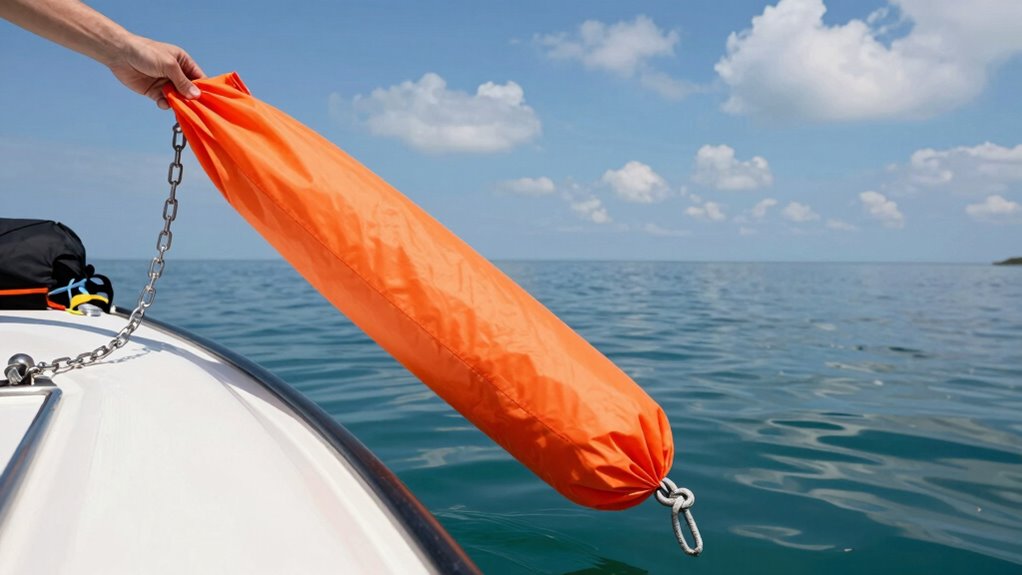
Ensuring safety and promptly addressing deployment issues are essential when using a sea anchor or drift sock. Always monitor your marine navigation closely, especially during changing weather conditions, to avoid uncontrolled drifting. If you notice tangling or improper deployment, stop the process and reevaluate. Regularly check your gear for damage or wear. Troubleshooting common issues involves understanding how weather considerations affect deployment, such as increased wind or current. Use the following table to identify problems and solutions:
| Issue | Cause | Solution |
|---|---|---|
| Tangling of lines | Improper deployment | Repack and deploy carefully |
| Poor drag performance | Damaged or tangled sock | Inspect and replace if needed |
| Rode slips or chafes | Excessive movement or chafe | Secure better and adjust |
| Deployment failure | Obstruction or improper setup | Clear obstructions and re-deploy |
Choosing the Right Sea Anchor or Drift Sock for Your Boat and Conditions
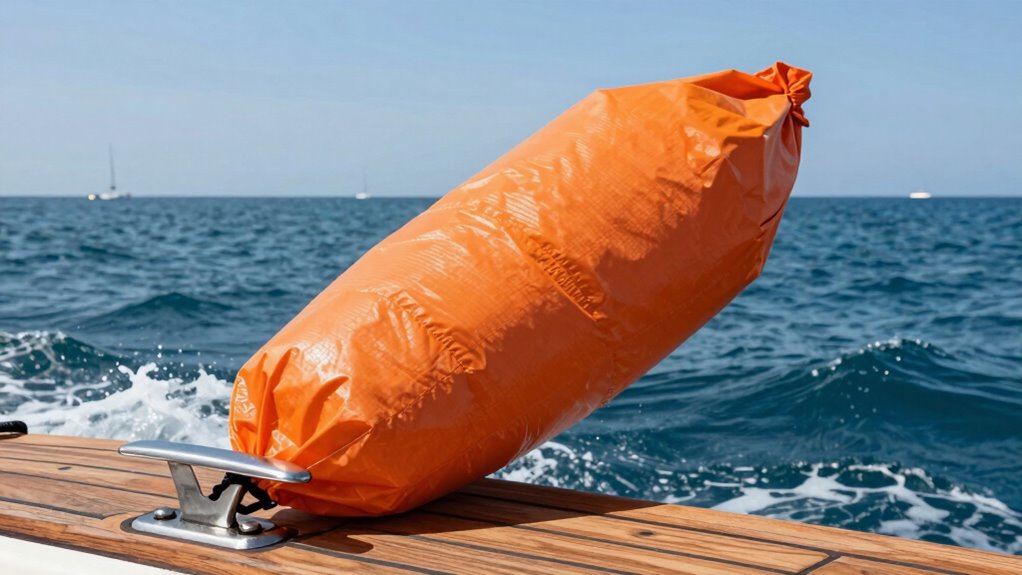
Choosing the right sea anchor or drift sock depends on your boat’s size, weight, and the specific conditions you’ll encounter on the water. Marine navigation skills help you assess how different anchors will perform in varying scenarios. For calmer waters and lighter boats, a smaller drift sock may suffice, while larger boats or rough weather demand a more robust anchor. Weather considerations are vital—strong currents, high winds, or choppy seas require heavier or specialized anchors to maintain control and safety. Consider your typical water conditions and how quickly you need to deploy or retrieve the gear. Selecting the proper size and type ensures effective drift reduction, keeps you oriented, and enhances overall safety during your voyage.
Frequently Asked Questions
Can a Sea Anchor Be Used in Rough Weather Safely?
Using a sea anchor in rough weather isn’t entirely safe due to storm conditions and equipment limitations. You should only deploy it if you’re confident your gear can handle the conditions and you understand the risks. It can help stabilize your boat, but in severe storms, it might not be enough and could even cause damage. Always prioritize safety, monitor weather updates, and have an exit plan ready.
How Long Can I Leave a Sea Anchor Deployed?
You can typically leave a sea anchor deployed for several hours or overnight, depending on weather conditions and your vessel’s safety. Monitoring the deployment duration is key to maintaining anchoring safety; don’t leave it out longer than necessary. Regularly check for chafing, tangles, or any signs of wear. Always prioritize your safety, and be ready to retrieve the sea anchor if conditions worsen or if you need to change course.
Is There a Maintenance Routine for Sea Anchors and Drift Socks?
Did you know proper maintenance extends your sea anchor’s lifespan by up to 30%? You should regularly inspect it for wear and tear, perform cleaning procedures with fresh water after use, and guarantee it dries completely before storage. Store it in a cool, dry place, avoiding direct sunlight. Proper storage tips include rolling or folding it neatly, which helps prevent damage and keeps your drift sock ready for next time.
Can I Use a Sea Anchor in Freshwater or Only Saltwater?
You can definitely use a sea anchor in freshwater; it’s compatible with both freshwater and saltwater applications. Just guarantee the sea anchor you select is suitable for your boat size and conditions. While freshwater applications may involve different debris or currents, the basic principles remain the same. Always check the sea anchor’s compatibility with your vessel and environment to ensure safe and effective operation.
What Are Signs That My Sea Anchor Is Malfunctioning?
If your sea anchor is malfunctioning, watch for signs like poor deployment, inconsistent drag, or unexpected movement. You might notice material wear, such as frayed lines or torn fabric, which can compromise its effectiveness. Deployment issues could also indicate tangles or improper attachment. Regularly inspect your sea anchor for these signs, and address any material wear or deployment problems promptly to guarantee it functions correctly during rough conditions.
Conclusion
By mastering the method of deploying a sea anchor or drift sock, you guarantee safer sailing and smoother sailing scenarios. Stay savvy, stay safe, and always be prepared for unpredictable conditions. With proper planning, prudent practices, and persistent patience, you’ll prevent problems and promote peace of mind on the water. So, take the time to tackle troubleshooting, choose the right gear, and execute expert techniques—your boat and your crew will thank you for your preparedness and professionalism.
NFL season / tailgating Picks
team gear
As an affiliate, we earn on qualifying purchases.