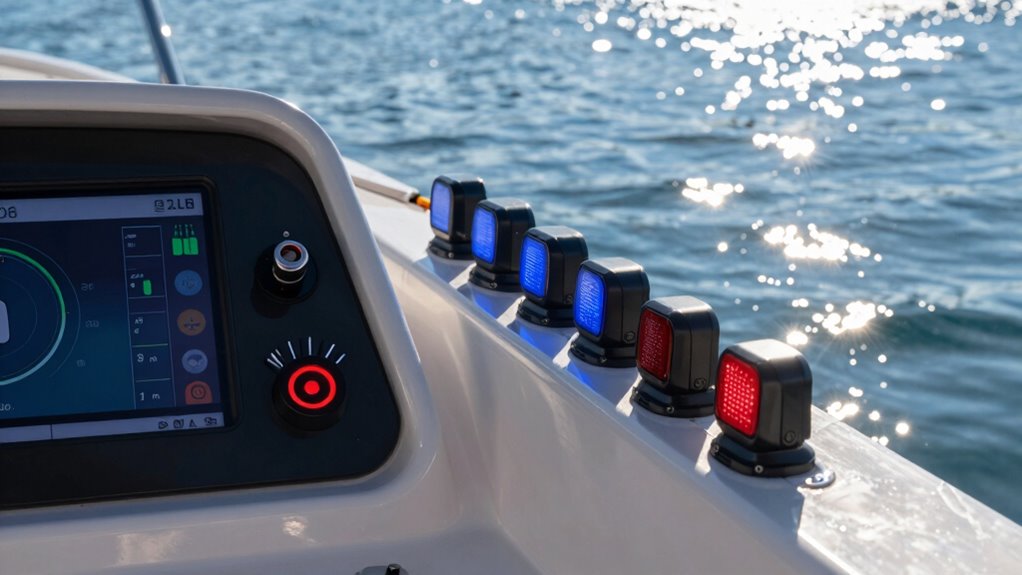
A boat water alarm system warns you when water in the bilge or another monitored area reaches its sensor, giving you a chance to respond before flooding worsens. My best overall pick is the Rule Hi-Water Bilge Alarm for boat-focused high-water monitoring, while the Basement Watchdog Compact stands out for its loud 110 dB alert and 360° sensing, and the SEAFLO 12V/24V model offers a flexible voltage option. The main tradeoffs are whether you need a self-contained alarm or a marine-installed system, which power supply your boat supports, and how the sensor fits the space. A louder or more feature-rich alarm is not automatically the better choice if it complicates installation or does not suit your bilge layout. Read on for the full comparison, buying advice, and recommendations by boat and owner type.

Get sports gear delivered free with Prime
- Fast, free delivery on millions of items
- Prime Video, Amazon Music and more included
- Member-only deals all year
Complete the kit


Key Takeaways
- The Rule Hi-Water Bilge Alarm is my best overall choice because its high-water bilge focus is a direct fit for the core job of a boat water alarm.
- The Basement Watchdog is the standout for a loud standalone alert, with 110 dB sound and 360° sensing; check that its design suits your vessel and installation location.
- Voltage compatibility is a key separator: the SEAFLO 12V/24V model is the most adaptable pick listed, while the dedicated 12V and 24V options call for a closer match to onboard power.
- SEAFLO’s lineup serves different installation needs: its 24V alarm adds a 95 dB buzzer and LED, while its 12V bilge system is aimed at a specific 12V setup.
- The Johnson Pump and general marine safety monitor offer alternatives, but buyers should verify sensor placement, wiring, and alarm behavior against their actual bilge before choosing.
| The Basement Watchdog Compact 110 dB Water Alarm with 360° Sensing Technology |  | Best for Simple, Standalone Alerts | Power source: 9-volt alkaline battery (not included) | Alarm volume: 110 dB | Sensor technology: Contact sensor with 360° sensing | VIEW ON AMAZON | See Our Full Breakdown |
| SEAFLO 12V/24V Water Level Alarm |  | Best for Existing Switch Setups | Voltage: 12V or 24V | Alarm volume: 95 dB | Current: 20A at 12V / 10A at 24V | VIEW ON AMAZON | See Our Full Breakdown |
| Rule Hi-Water Bilge Alarm |  | Best for 12V Float-Switch Monitoring | Model: 33ALA | Power source: 12V | Sensor technology: Float switch | VIEW ON AMAZON | See Our Full Breakdown |
| SEAFLO 24V Marine Water Alarm with 95 dB Buzzer and LED |  | Best for 24V Boats | Model: SFWA2-01 | Voltage: 24V DC | Maximum current: 0.1A | VIEW ON AMAZON | See Our Full Breakdown |
| SEAFLO 12V High Water Level Alarm System for Bilge |  | Best Integrated Sensor System | Model: SFWAS1-20-01 | Power supply: 12V DC | Sensor technology: Electric field sensor | VIEW ON AMAZON | See Our Full Breakdown |
| Johnson Pump 72303 Bilge Alert High Water Alarm |  | Best for a Compact, Integrated Panel Alarm | Brand: Johnson Pump | Model: 72303 | Voltage: 12V | VIEW ON AMAZON | See Our Full Breakdown |
| High Water Alarm Detection System for Boats, Marine Safety Monitor |  | Best for Battery-Powered, Flexible Placement | Power source: Battery powered | Batteries required: Two 9V batteries | Voltage: 12V | VIEW ON AMAZON | See Our Full Breakdown |
| boat water alarm system | Alarm volume | Dimensions | Model | Sensor technology |
|---|---|---|---|---|
| The Basement Watchdog Compact | 110 dB | 2.38 × 1 × 3.25 inches | — | Contact sensor with 360° sensing |
| SEAFLO 12V/24V Water Level Ala | 95 dB | 2.45 × 1.83 × 2.45 inches | SFWA1-01 | — |
| Rule Hi-Water Bilge Alarm | 85 dB | 2.25 × 5 × 2.01 inches | 33ALA | Float switch |
| SEAFLO 24V Marine Water Alarm | ≥95 dB | — | SFWA2-01 | — |
| SEAFLO 12V High Water Level Al | At least 95 dB | — | SFWAS1-20-01 | Electric field sensor |
| Johnson Pump 72303 Bilge Alert | — | 3.86 x 3.9 x 7.64 in | 72303 | — |
| High Water Alarm Detection Sys | — | 6 x 4 x 3.5 in | — | Water level detection |
More Details on Our Top Picks
The Basement Watchdog Compact 110 dB Water Alarm with 360° Sensing Technology
For a boat owner who needs a basic warning near a leak-prone spot, this standalone contact alarm avoids the wiring and switch compatibility required by the SEAFLO 12V/24V Water Level Alarm. Its 360° sensing design can detect water from any side, which is useful when placement options are tight. The 110 dB alarm is the loudest stated sound level among these five picks, favoring an immediate local warning over a quieter indicator-based setup like the Rule Hi-Water Bilge Alarm. The tradeoff is that this is not a dedicated, integrated bilge monitoring system: it runs on a separate 9-volt battery, sold separately, and offers no LED indicator or additional monitoring features. I’d choose it for a simple alert in an accessible compartment, not as a substitute for a boat’s wired high-water alarm.
Pros:- 360° contact sensing detects water from any side
- 110 dB audible alarm provides a strong local warning
- Compact 2.38 × 1 × 3.25-inch body fits tight spaces
- Solid-state circuitry avoids reliance on moving sensor parts
Cons:- Requires a 9-volt alkaline battery, which is not included
- Does not connect to a bilge float switch or provide a visual indicator
- A standalone alarm may not suit unattended boats that need a wired monitoring system
Best for: Boat owners seeking a compact, self-contained water alert for a small compartment where a local audible warning is sufficient.
Not ideal for: Owners who need an integrated bilge alarm tied to a float switch, vessel power, or remote monitoring; this unit is battery-powered and provides only water detection.
- Power source:9-volt alkaline battery (not included)
- Alarm volume:110 dB
- Sensor technology:Contact sensor with 360° sensing
- Mounting options:Wall, pit, floor, or none
- Dimensions:2.38 × 1 × 3.25 inches
- Color:Gray
Our verdict“Choose this compact alarm for a simple, loud local alert, but pick a wired marine model for integrated bilge monitoring.”
SEAFLO 12V/24V Water Level Alarm
The SEAFLO 12V/24V is a flexible alarm unit for an existing sensor setup, rather than a complete water-detection system by itself. It works with a compatible float switch or electric field bilge switch, giving owners more choice of trigger than the Rule Hi-Water Bilge Alarm, which is specified around a float switch. Its 95 dB buzzer and LED reminder provide both sound and a visual cue, helpful when the alarm panel is visible but not immediately audible. The 12V/24V compatibility also makes it more adaptable across vessel electrical systems than the 12-volt-only SEAFLO High Water Level Alarm System. That flexibility comes with installation dependencies: a compatible switch is required, and the listed 150 mm wire lead is short enough that placement and wiring plans matter. I’d pick it when the boat already has a suitable trigger and the goal is a straightforward alarm panel.
Pros:- Supports compatible float switches and electric field bilge switches
- Works with both 12V and 24V systems
- Combines a 95 dB alarm with an LED reminder
- Compact 2.45 × 1.83 × 2.45-inch unit
Cons:- Requires a compatible switch; it does not detect water on its own
- Listed wire lead length is only 150 mm
- Requires installation into the boat’s electrical and switch setup
Best for: Owners with a compatible float or electric-field bilge switch who want an audible and visual alarm panel for a 12V or 24V boat.
Not ideal for: Buyers who need a complete alarm-and-sensor kit or need longer included leads for a distant installation.
- Voltage:12V or 24V
- Alarm volume:95 dB
- Current:20A at 12V / 10A at 24V
- Compatible switches:Float switch or electric field bilge switch
- Wire lead length:150 mm
- Dimensions:2.45 × 1.83 × 2.45 inches
- Model:SFWA1-01
Our verdict“Choose this SEAFLO panel when you already have a compatible trigger and want 12V/24V flexibility with both sound and light.”
Rule Hi-Water Bilge Alarm
The Rule Hi-Water Bilge Alarm is a focused 12V float-switch alarm for monitoring an unattended compartment. Its 85 dB audible alert is quieter than the Basement Watchdog’s 110 dB alarm and the SEAFLO panels’ stated 95 dB, but the Rule adds a visual indicator and is specified for pumps drawing up to 20 amps. That makes it a more boat-oriented choice than the Basement Watchdog, which is a standalone contact alarm rather than a wired bilge setup. The listed compliance with CFR 182.530 requirements for certain commercial vessels may also matter to buyers outfitting qualifying vessels. The tradeoff is narrow system fit: it requires a compatible 12V setup and a float switch, and its 20-amp limit rules it out for higher-current applications. I’d favor it for a conventional 12V bilge installation over boats needing 24V compatibility or a sensor without moving parts.
Pros:- Float switch monitors an unattended compartment
- Combines an 85 dB audible alarm with a visual indicator
- Designed for 12V systems and pumps up to 20 amps
- Listed as compliant with CFR 182.530 requirements for certain commercial vessels
Cons:- Limited to a compatible 12V system
- Maximum stated pump current is 20 amps
- 85 dB alarm is quieter than the other listed alarm sound levels
Best for: Owners of 12V boats who want a float-switch-based high-water alarm for an unattended bilge or compartment, including qualifying commercial-vessel applications.
Not ideal for: Owners with 24V systems, installations needing a non-float sensor, or pump loads above the stated 20-amp limit.
- Model:33ALA
- Power source:12V
- Sensor technology:Float switch
- Alarm volume:85 dB
- Maximum pump current:20 amps
- Maximum range:7.9 meters
- Dimensions:2.25 × 5 × 2.01 inches
Our verdict“Pick the Rule for a conventional 12V float-switch bilge installation, but choose a SEAFLO 12V/24V panel if you need broader voltage compatibility.”
SEAFLO 24V Marine Water Alarm with 95 dB Buzzer and LED
For boats built around a 24V electrical system, this SEAFLO is the lineup’s dedicated 24V alarm panel. It pairs a buzzer rated at 95 dB or higher with an LED, matching the dual-alert approach of the SEAFLO 12V/24V Water Level Alarm while avoiding the latter’s stated 12V operating option. It can be connected to compatible bilge, float, or water-level switches, so it suits owners who already have a trigger in place. Compared with the Rule Hi-Water Bilge Alarm, it is limited to 24V but is specified for multiple compatible switch types. Its compact alarm face can suit a crowded panel or compartment, yet the short 150 mm lead means the wiring route needs planning. This is an alarm component, not a complete sensor system, so I’d skip it if you need a supplied sensor or a 12V model.
Pros:- Designed specifically for 24V DC systems
- Provides both a buzzer rated at 95 dB or higher and an LED warning
- Supports compatible bilge, float, and water-level switches
- Compact alarm face measures approximately 2.45 × 2.45 inches
Cons:- Requires a compatible switch or trigger to activate
- Not specified for 12V systems, unlike the SEAFLO 12V/24V model
- Listed wire lead length is 150 mm
Best for: Owners of 24V boats who already have a compatible bilge, float, or water-level switch and want a compact audible-and-visual alarm.
Not ideal for: 12V boat owners and buyers who need a complete alarm kit with a sensor included.
- Model:SFWA2-01
- Voltage:24V DC
- Maximum current:0.1A
- Alarm volume:≥95 dB
- Warning types:Buzzer and LED light
- Wire lead length:150 mm
- Alarm face dimensions:Approximately 2.45 × 2.45 inches
Our verdict“Choose this model for a 24V boat with an existing compatible switch; the dual-voltage SEAFLO is the better fit for mixed or 12V installations.”
SEAFLO 12V High Water Level Alarm System for Bilge
Unlike the SEAFLO 12V/24V Water Level Alarm and the Rule Hi-Water Bilge Alarm, this pick includes a solid-state electric field sensor rather than depending on a separately compatible float switch. That makes it a more self-contained option for owners who want a defined high-water trigger: the alarm activates at about 1.6 inches and resets around 0.37 inches. A three-second delay helps avoid alerts caused by brief sloshing, while the audible alarm and visual indicator provide two ways to notice rising water. Its sealed electronics and lack of moving sensor parts favor a bilge environment where mechanical wear and corrosion are concerns. The tradeoffs are a 12V-only requirement and more involved installation, with separate switch and alarm wires. I’d choose it for dedicated 12V bilge monitoring, not for a 24V vessel or a simple battery-powered alert.
Pros:- Solid-state electric field sensor has no moving parts
- Three-second delay helps filter brief water movement
- Audible alarm of at least 95 dB plus a visual indicator
- Sealed electronics are intended to reduce corrosion and mechanical wear
Cons:- Requires a 12V DC power supply
- Installation involves separate switch and alarm wires
- Activation and deactivation thresholds may not suit every monitoring location
Best for: Owners of 12V boats who want a dedicated bilge high-water system with a solid-state sensor, separate audible and visual warnings, and reduced nuisance alerts from sloshing.
Not ideal for: Owners of 24V boats, buyers seeking a plug-in standalone alarm, or anyone unwilling to install separate sensor and alarm wiring.
- Model:SFWAS1-20-01
- Power supply:12V DC
- Sensor technology:Electric field sensor
- Alarm volume:At least 95 dB
- Activation level:Approximately 1.6 inches (41 mm)
- Deactivation level:0.37 inches (9.5 mm)
- Alarm delay:3 seconds
- Switch and alarm wire lengths:1000 mm and 150 mm
- Mounting and dimensions:Wall mount; 3.62 × 1.85 × 2.48 inches
Our verdict“Choose this SEAFLO system for dedicated 12V bilge monitoring with a solid-state sensor, and choose a panel-only model if you already have a trigger switch.”
Johnson Pump 72303 Bilge Alert High Water Alarm
The Johnson Pump 72303 makes sense for boat owners who want a bilge sensor and helm-side beeper panel in one package. Its Mirius Technology sensor is intended for high-water detection, while the included switch panel gives the alarm a dedicated audible alert rather than relying on a separate monitor. Compared with the less-documented High Water Alarm Detection System for Boats, this model identifies its sensor technology and includes a defined 12V requirement, which makes planning the electrical connection more straightforward. Its compact, lightweight build also suits installations where space is tight. The tradeoff is that it needs a 12V supply, so it is not the self-contained battery option some owners may prefer; its plastic construction may also be less reassuring to buyers seeking a more rugged-feeling unit.
Pros:- Includes both a switch panel with beeper and a water sensor
- Mirius Technology sensor is identified in the product details
- Compact listed dimensions suit installations with limited space
- Lightweight at 1.28 oz
Cons:- Requires a 12V power supply, limiting use where that supply is unavailable
- Plastic construction may not suit buyers prioritizing a more robust enclosure
- The supplied specifications do not state the alarm’s sound level
Best for: Owners of 12V boats who want a compact bilge sensor paired with a dedicated beeper panel.
Not ideal for: Owners seeking a battery-only alarm or a clearly specified, higher-impact audible output.
- Brand:Johnson Pump
- Model:72303
- Voltage:12V
- Material:Plastic
- Color:Black
- Dimensions:3.86 x 3.9 x 7.64 in
- Weight:1.28 oz
- Included components:Switch panel with beeper and Mirius Technology sensor
- Warranty:Limited warranty
Our verdict“Choose the Johnson Pump 72303 if your boat has 12V power and you want a compact sensor-and-panel setup rather than a battery-powered standalone alarm.”
High Water Alarm Detection System for Boats, Marine Safety Monitor
This alarm’s strongest distinction is its battery-powered operation: it requires two 9V batteries, so an owner can place it in a compartment without routing a connection to the boat’s 12V system. The listing describes surface mounting, water-level detection, and an 85 dB audible alarm, giving buyers more concrete sound and power details than the Johnson Pump 72303 listing provides. Its stated 12-inch maximum range is a limiting factor, though, and the product information does not explain the sensing arrangement or give a specific warranty. Compared with the Johnson Pump’s included sensor-and-panel setup, this one favors placement flexibility over an identified marine sensor package. I’d treat it as a compartment monitor for a suitable location, not assume it replaces a hardwired bilge alarm without confirming the fit and installation requirements.
Pros:- Runs on two 9V batteries rather than requiring a boat-side 12V connection
- Listed 85 dB audible alarm provides a defined sound output
- Surface-mount design supports placement in different compartments
- Product details specify a 12-inch maximum range
Cons:- Requires two 9V batteries, which need monitoring and replacement
- 12-inch maximum range may restrict where the alarm can be placed
- Product information does not identify sensor technology or provide a specific warranty
Best for: Boat owners who need a surface-mounted water alarm in a compartment without an accessible 12V connection.
Not ideal for: Owners seeking a clearly documented hardwired marine system, long sensing range, or specified sensor technology.
- Power source:Battery powered
- Batteries required:Two 9V batteries
- Voltage:12V
- Audible alarm:85 dB
- Mounting type:Surface mount
- Sensor technology:Water level detection
- Maximum range:12 inches
- Color:White
- Dimensions:6 x 4 x 3.5 in
Our verdict“Pick this model for a battery-powered, surface-mounted alarm where its 12-inch range suits the compartment and you do not need the Johnson Pump’s defined sensor-and-panel package.”

How We Picked
I ranked these options around the job a boat alarm must do: detect rising water where it matters and give the owner a clear warning. I compared the stated sensing approach, audible and visual alerts, power requirements, and how directly each product is presented for bilge or marine use. I also weighed whether a model’s described features solve a distinct buyer need, such as broader voltage compatibility or a particularly loud alert.
The Rule Hi-Water Bilge Alarm leads because its stated purpose aligns closely with bilge high-water monitoring. The Basement Watchdog and SEAFLO 12V/24V follow for their clear differentiators, while dedicated-voltage models rank lower for buyers whose electrical systems do not match. Product names and listed features do not establish installation details or compatibility for every boat, so I treat fit, wiring, and sensor placement as checks buyers must confirm before purchase rather than making unsupported performance claims.
| boat water alarm system | Sensor technology |
|---|---|
| The Basement Watchdog Compact | Contact sensor with 360° sensing |
| SEAFLO 12V/24V Water Level Ala | — |
| Rule Hi-Water Bilge Alarm | Float switch |
| SEAFLO 24V Marine Water Alarm | — |
| SEAFLO 12V High Water Level Al | Electric field sensor |
| Johnson Pump 72303 Bilge Alert | — |
| High Water Alarm Detection Sys | Water level detection |
Factors to Consider When Choosing Boat Water Alarm System
Choosing a boat water alarm is less about collecting features and more about matching the alarm to your vessel’s electrical system, bilge geometry, and response plan. These broader checks can prevent a common mistake: buying an alarm that sounds impressive but cannot be installed or heard where it is needed.
Match the Alarm to Your Boat’s Power
Start with the voltage available at the intended installation point, not just the boat’s nominal system voltage. A product labeled 12V or 24V may suit a dedicated setup, while a 12V/24V option can offer more flexibility, but confirm its actual wiring requirements in the manufacturer’s documentation. Do not assume a dual-voltage label means automatic compatibility with every electrical configuration. If your boat has multiple battery banks or a mixed-voltage system, identify which circuit will power the alarm before ordering. A mismatch can turn a straightforward install into extra electrical work or leave the alarm unusable. When the power arrangement is unclear, ask a qualified marine electrician to verify it.
Choose Sensor Placement Around the Bilge Layout
Bilges vary in shape, and water may collect in a low pocket that is not directly beneath the most convenient mounting point. Map the likely water path and identify the level at which you want the warning to sound before deciding where the sensor belongs. A sensor placed too high may warn late; one placed where routine spray or washdown reaches it may create unwanted alerts. Check whether the sensing style fits the available mounting space and whether the sensor can remain accessible for cleaning and inspection. Do not treat a stated sensing angle as a substitute for checking the whole compartment. A carefully positioned, maintainable sensor is more useful than extra features in the wrong location.
Decide How You Need to Hear or See the Warning
A loud buzzer can help when someone is aboard, but sound may be harder to hear over machinery, from another cabin, or when the boat is unattended. A visual indicator, such as an LED, can add information nearby, though it is only useful when someone can see it. Think about where people sleep, work, or keep watch, and whether the alarm needs to be connected to a remote notification system. Do not assume that a local buzzer will alert you while the boat is empty. If unattended monitoring is the priority, check whether the product supports an external alarm or notification connection rather than relying on sound alone. The right alert arrangement depends on how the boat is used, not just the decibel figure.
Separate a Standalone Alarm From a Wired Marine System
Some buyers want a simple local warning, while others need an alarm that fits into the boat’s installed electrical and monitoring setup. These approaches differ in wiring, mounting, service access, and how the alarm behaves when power is interrupted. Before buying, confirm what is included, what must be supplied separately, and whether the unit needs a specific panel or circuit. A self-contained design may reduce integration work but may not suit a permanent bilge installation. A wired marine alarm can fit a dedicated system better, but its setup may call for more installation knowledge. Choose based on the installation you can maintain, not on a vague assumption that every marine-labeled unit is plug-and-play.
Plan for False Alerts, Cleaning, and Routine Checks
Bilges collect debris, oil residue, and other material that can affect sensors or make access difficult. Consider whether you can inspect and clean the sensor without dismantling nearby equipment, and follow the maker’s guidance for testing. A sensor that is easy to reach is more likely to receive routine attention. Think through ordinary conditions such as washdown, condensation, and rough movement, since they may influence where and how an alarm should be mounted. A high-water alarm is a warning device, not a substitute for checking pumps, wiring, hoses, and through-hull fittings. Build a simple check into regular boat maintenance so a quiet fault does not go unnoticed.
Spend More Only for a Useful Difference
Paying extra makes sense when a specific feature solves a real problem, such as compatibility with your power system, a visual alert you can use, or easier integration with existing equipment. A louder buzzer alone may not add much if the alarm is installed where nobody can hear it. Conversely, choosing the least complicated option can be a poor fit if your boat needs a permanent wired system or has an unusual bilge layout. Compare the full installation requirements and required accessories, not only the headline feature. If two alarms meet your needs, favor the one you can install, inspect, and test with less uncertainty. That practical fit is often more valuable than an added feature you will not use.
Frequently Asked Questions
Can I use a household water alarm in a boat bilge?
A household alarm can appeal if you want a simple local warning, and the Basement Watchdog Compact is listed with a 110 dB alert and 360° sensing. That does not by itself confirm suitability for a marine bilge, where moisture, vibration, mounting, and power arrangements differ from a basement. Check the product’s environmental and installation guidance before placing it aboard. Also verify how it is powered and whether it can remain in the location you have in mind. If you need a permanently wired marine installation, compare it with the bilge-focused Rule or SEAFLO options instead.
Should I choose a 12V, 24V, or 12V/24V boat water alarm?
Choose based on the voltage supplied to the alarm’s intended circuit, which may not be obvious on a boat with multiple electrical systems. A dedicated 12V or 24V model can be a direct match when your installation is confirmed, while the SEAFLO 12V/24V option may suit buyers seeking broader voltage flexibility. Do not infer wiring method or compatibility from the product name alone. Read the manufacturer’s specifications and confirm any fuse, connection, or power requirements before installing. If you cannot identify the correct circuit, get help from a marine electrician rather than guessing.
Is a louder buzzer more useful than an LED indicator?
Neither alert style is universally better: a loud buzzer can be heard nearby, while an LED can make the alarm state visible to someone at the panel or unit. The SEAFLO 24V model lists a 95 dB buzzer and LED, while the Basement Watchdog lists a 110 dB alarm, but those figures do not tell you how well an alert will carry through your boat. Consider where the unit will sit, what background noise is typical, and whether anyone will be present to notice it. For an unattended boat, check for remote notification or a compatible external alarm connection. Pick the alert you can realistically detect in your normal use.
Will one bilge water alarm protect every compartment on my boat?
One sensor only monitors the area where it is installed, so it may not detect water collecting in a separate compartment or isolated low point. Walk through the boat’s compartments and identify where flooding could begin and where water would collect. You may need more than one sensor or an alarm system that supports multiple sensing locations, but confirm that capability in the product documentation. Keep sensor placement accessible for inspection, and avoid locations exposed to routine spray if they could trigger unwanted warnings. An alarm also does not replace bilge pumps, leak checks, or regular inspection.
What should I verify before buying a marine water alarm?
Confirm the power requirement, included components, sensor mounting method, and the alarm’s intended environment. Then check whether the unit provides a local buzzer, a visual signal, or a connection for a separate monitoring system. Make sure the sensor can reach the water level you want to detect without being obstructed by nearby equipment or routine bilge debris. Review the instructions for testing and maintenance so you know how to confirm operation after installation. If wiring or installation details are missing, ask the manufacturer or a qualified installer before treating the alarm as a fit for your boat.
Conclusion
For most owners seeking a dedicated high-water bilge warning, I recommend the Rule Hi-Water Bilge Alarm as the best overall. The SEAFLO 12V/24V alarm is my best value-style choice for buyers who prioritize voltage flexibility, while the SEAFLO 24V model is a strong fit when its listed buzzer-and-LED alert and 24V requirement match the installation. For a beginner who wants a clear, loud local alert, the Basement Watchdog Compact is the simplest standout to investigate, provided its marine suitability and power needs check out. Choose the SEAFLO 12V High Water Level Alarm System for a confirmed 12V bilge setup, and compare the Johnson Pump 72303 or the general marine safety monitor when their documented installation details better match your boat. Before buying any of them, verify the sensor location, circuit, and alert path; those details determine whether the alarm will help when water rises.