
Galvanic corrosion happens when two different metals touch in an electrolyte like water or moisture, causing one metal to corrode faster. You can spot it early by looking for discoloration, rust, tiny pits, or metal warping at contact points. Environmental factors like humidity and salt speed this process. To keep your metals safe, use compatible materials and protective coatings. Want to learn how to prevent and detect it effectively? Keep exploring for helpful tips.
Key Takeaways
- Galvanic corrosion occurs when two dissimilar metals are in electrical contact within an electrolyte, causing one to corrode faster.
- It is influenced by metal pairing, environmental moisture, salts, acids, and protective coatings’ integrity.
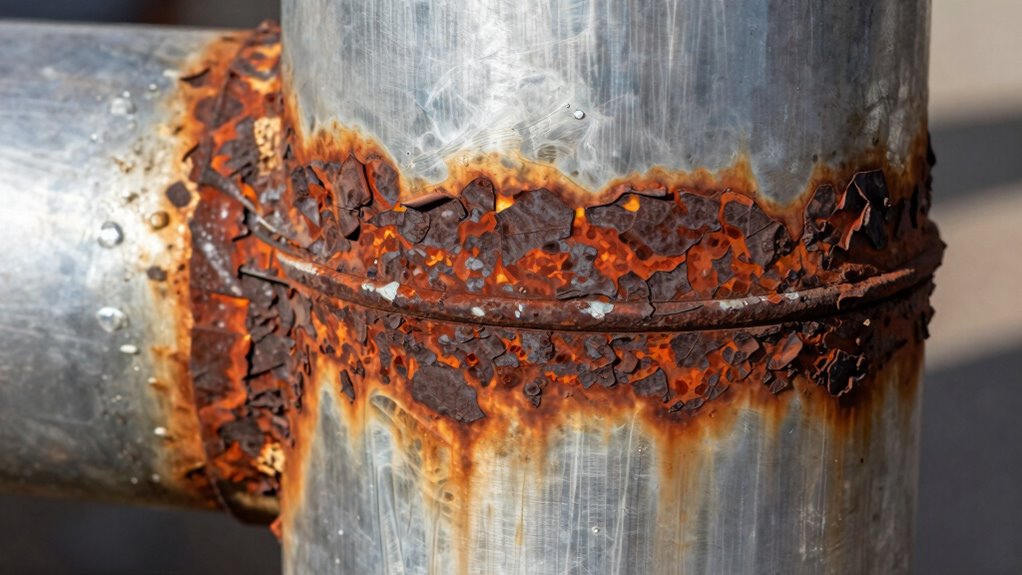
- Early signs include discoloration, rust, pits, or small holes at metal junctions, indicating localized corrosion.
- Using compatible metals, insulating barriers, and protective coatings can prevent galvanic corrosion.
- Regular inspections and corrosion sensors help detect early damage, enabling timely maintenance or intervention.

Gowoops 10 PCS of Digital Light Intensity Detection Photosensitive Sensor Module
1. Using the sensitive type photosensitive resistance sensor
As an affiliate, we earn on qualifying purchases.
As an affiliate, we earn on qualifying purchases.
What Is Galvanic Corrosion and How Does It Happen?
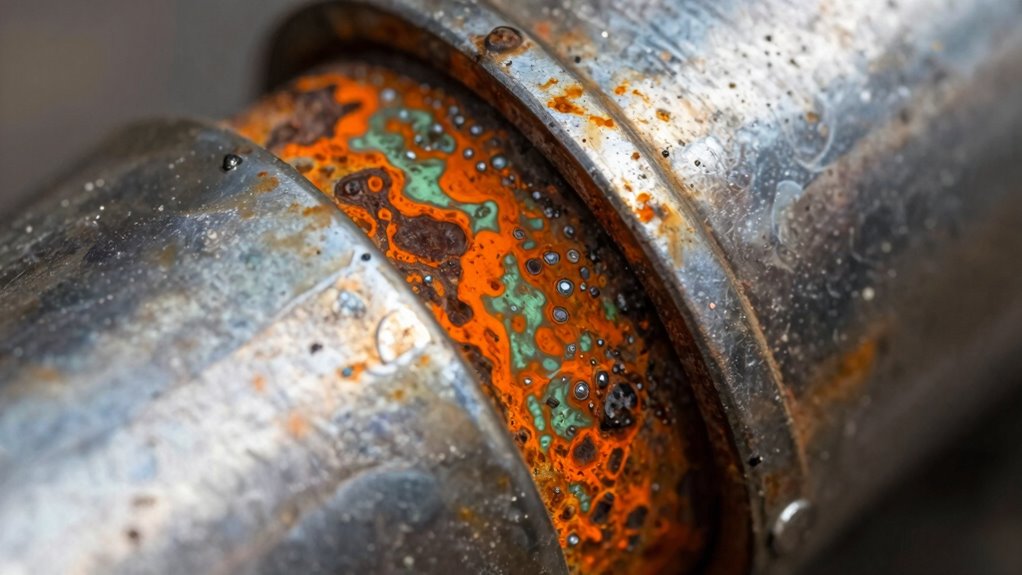
Galvanic corrosion occurs when two different metals are in electrical contact in the presence of an electrolyte, such as water or moisture. This process depends on the metal pairing, where each metal has a different electrical potential. When these metals touch, electrons flow from the more active metal to the less active one, creating an electrical circuit. The electrolyte facilitates this flow by allowing ions to move between the metals. The metal with the higher electrical potential acts as the anode and corrodes faster, while the other becomes the cathode. Your goal is to understand this interaction because it’s the foundation of galvanic corrosion. Recognizing the role of electrical potential differences helps you identify vulnerable metal pairings prone to corrosion. Proper material selection and metal pairing can significantly reduce the risk of galvanic corrosion. Additionally, environmental factors like water quality and exposure to salts can accelerate the process. Understanding electrochemical principles can help you better prevent and manage this type of corrosion, especially when considering the corrosion resistance of different materials.

STAR BRITE Corrosion Buster Pen – Precision Rust and Corrosion Removal Tool for Electrical Connections, Marine Gear, Fishing Equipment and More – Easy Grip, Adjustable Fiber Length
UNMATCHED CLEANING POWER – Harness over 20,000 glass fibers for superior rust and corrosion removal on electrical connections,…
As an affiliate, we earn on qualifying purchases.
As an affiliate, we earn on qualifying purchases.
What Causes Galvanic Corrosion and What Factors Make It Worse?
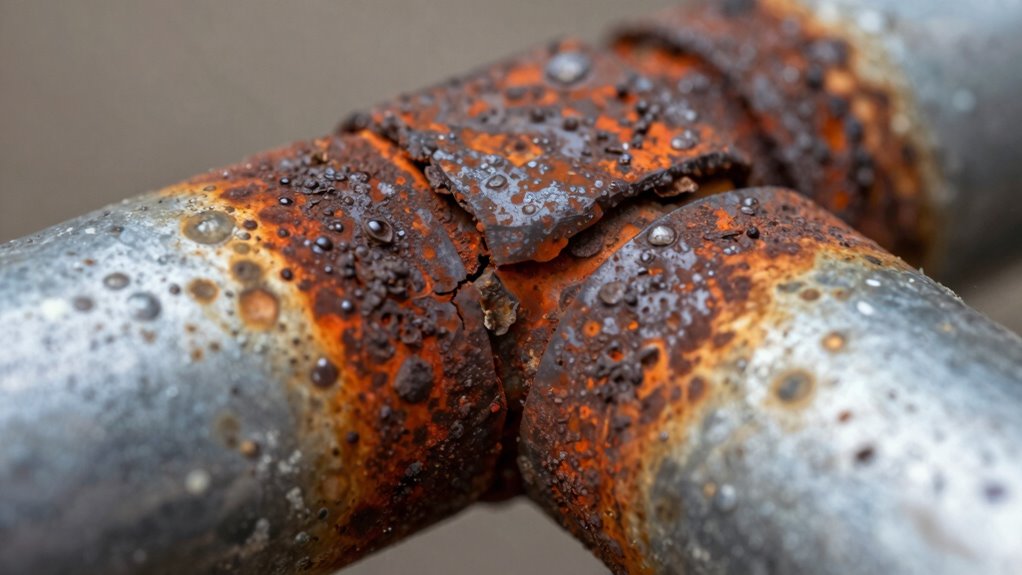
Several factors can intensify galvanic corrosion, making it more likely to occur and accelerate once it starts. One key factor is the metal pairing; when two dissimilar metals are in contact, the difference in their electrical potentials increases corrosion risk. The environment plays a significant role too—high humidity, salty air, or acidic conditions create ideal circumstances for corrosion to develop quickly. Additionally, the presence of electrolytes, such as water containing salts or pollutants, worsens the process. Poor insulation or protective coatings can expose metals directly to these environmental factors, further speeding up corrosion. The combination of incompatible metal pairing and harsh environmental conditions makes galvanic corrosion more severe and harder to control over time. Understanding environmental factors can help in designing more corrosion-resistant systems. Moreover, corrosion prevention techniques like galvanic isolation and protective coatings are essential to mitigate these risks effectively. Regular inspection and corrosion monitoring are crucial for early detection and prevention of extensive damage.

How to Build a Marine Metal Corrosion Monitor: Build an Accurate Digital Display Corrosion Monitor For Boats, Marinas, and Yachts (Metal Corrosion in Boats and Yachts)
As an affiliate, we earn on qualifying purchases.
As an affiliate, we earn on qualifying purchases.
How Can You Spot Early Signs of Galvanic Corrosion?
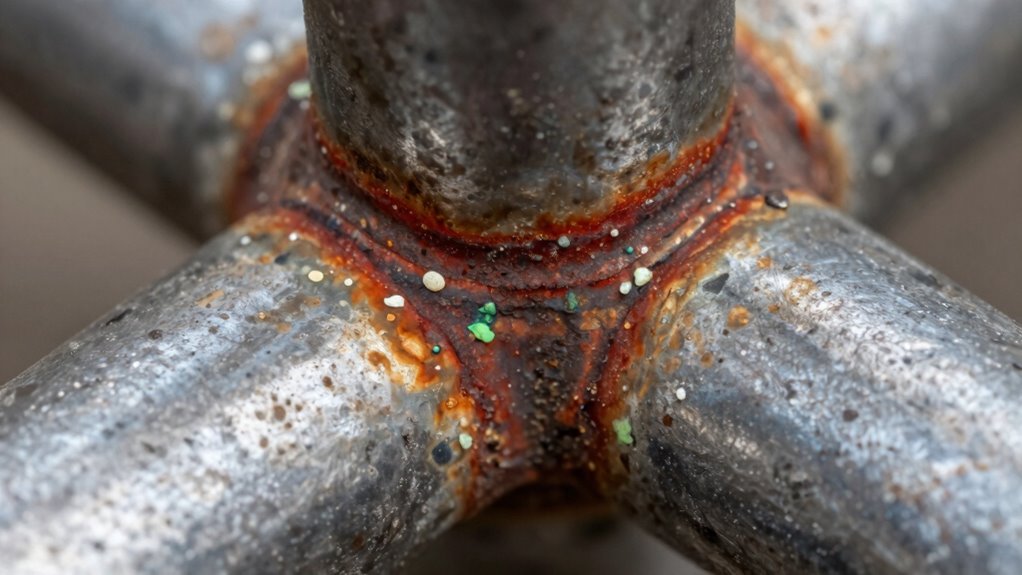
Early detection of galvanic corrosion is crucial to prevent extensive damage. You can spot early signs by closely examining the metal pairing for any visual cues. Look for discoloration, such as rust or tarnish, especially at the junctions where different metals meet. Pitting or small holes may appear, indicating localized corrosion. Warping or swelling of the metal surface can also be a sign. Regular visual inspection is essential, focusing on areas prone to moisture and contact between dissimilar metals. Using appropriate protective measures, such as coatings or insulation, can help minimize galvanic reactions. Applying corrosion-resistant materials in vulnerable areas further reduces the risk. Implementing proper metal pairing techniques can significantly decrease the likelihood of galvanic corrosion occurring. Additionally, monitoring electrochemical processes can provide early alerts to potential issues. Catching these early signs helps you address the issue before it worsens, saving time and money. Remember, galvanic corrosion often starts subtly, so staying vigilant with routine inspections is your best defense against extensive damage.

ProtectaClear 1 Oz. Clear, Protective Coating for Metal.
ProtectaClear is a clear, protective coating that is specially formulated to protect high-use metal surfaces from tarnish, oxidation,…
As an affiliate, we earn on qualifying purchases.
As an affiliate, we earn on qualifying purchases.
How to Prevent Galvanic Corrosion in Your Metal Structures
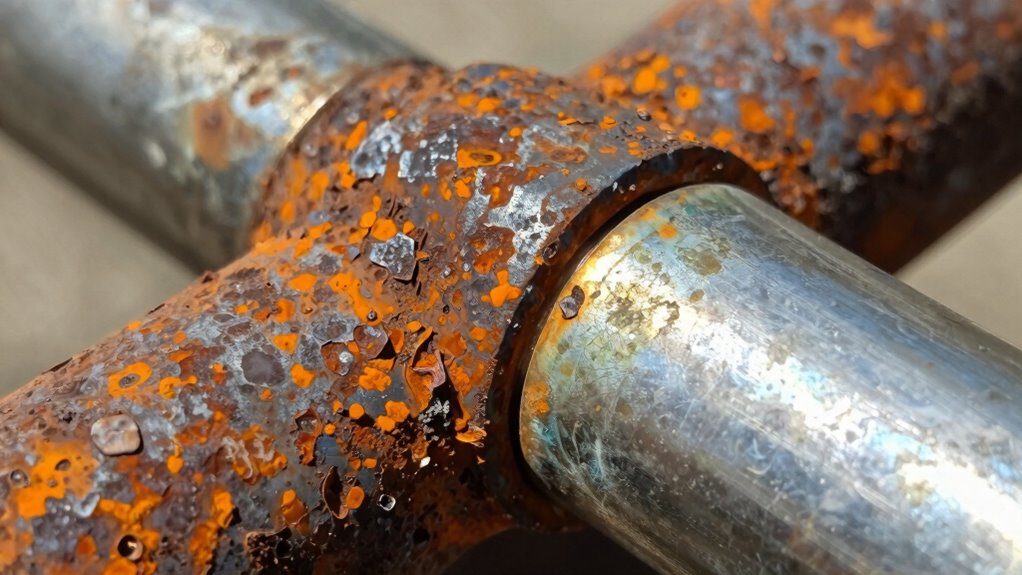
To effectively prevent galvanic corrosion in your metal structures, you need to control the factors that contribute to it. Understanding electrochemical reactions is key to corrosion prevention. Here are three effective strategies:
Controlling factors and understanding electrochemical reactions are vital to preventing galvanic corrosion effectively.
- Use compatible metals to minimize potential differences that drive electrochemical reactions.
- Apply insulating barriers like non-conductive coatings or sealants to prevent direct contact between different metals.
- Control environmental conditions by reducing moisture and using corrosion inhibitors, which slow down electrochemical processes. Additionally, managing metal pairing and ensuring proper grounding can further reduce the risk of galvanic corrosion.
- Monitor battery inverter generator capacity and performance to ensure the power sources remain balanced and do not accelerate corrosion processes.
Implementing these measures reduces the likelihood of galvanic corrosion by limiting the electrochemical reactions that cause metal deterioration. Proper prevention techniques ensure your structures remain durable and safe over time, saving you maintenance costs and avoiding unexpected failures.
Best Practices for Choosing Metals and Applying Protective Coatings
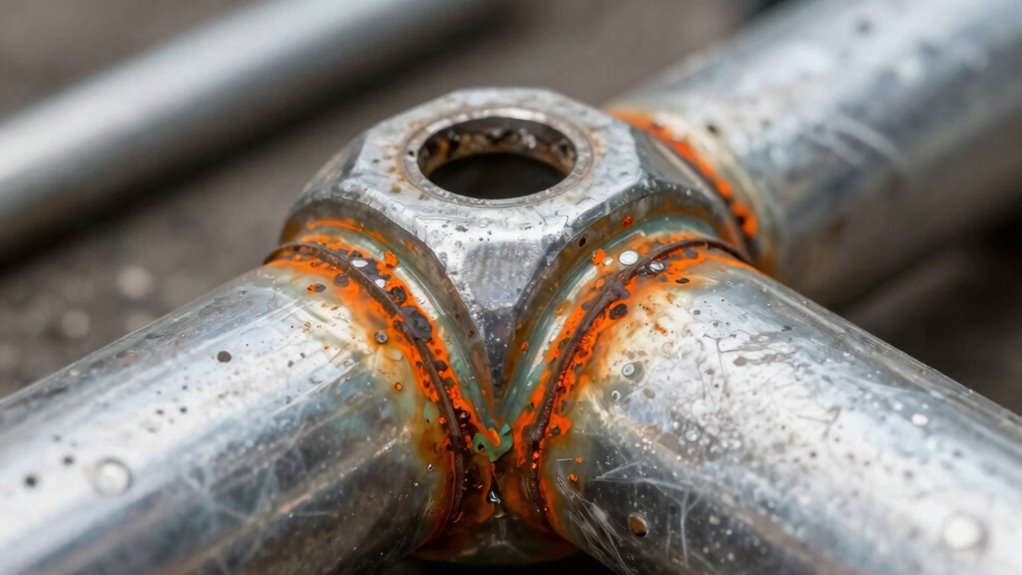
When selecting metals, you should focus on compatibility to minimize galvanic reactions. Applying the right protective coatings can further shield your structures from corrosion. Combining proper material choices with effective coatings is essential for long-lasting, corrosion-resistant setups. Additionally, regularly inspecting your installations can help detect early signs of Free Floating corrosion, allowing for prompt maintenance and prevention. To ensure ongoing protection, consider implementing cybersecurity best practices to safeguard your systems from potential threats that could compromise physical infrastructure as well. Staying informed about corrosion monitoring techniques can also enhance your ability to maintain durable, corrosion-free systems over time. Incorporating material compatibility assessments into your maintenance routine can significantly reduce the risk of galvanic corrosion and extend the lifespan of your components. Moreover, educating your team about corrosion prevention strategies can promote proactive measures and improve overall system longevity.
Selecting Compatible Metals
Choosing compatible metals is essential to prevent galvanic corrosion, especially when two different metals are in contact within an electrolyte. To guarantee proper metal compatibility, consider these best practices:
- Select metals with similar electrochemical potentials to minimize the risk of galvanic cells forming.
- Use electrical isolation methods, like non-conductive spacers or coatings, to prevent direct metal contact.
- Avoid pairing highly active metals, such as zinc or magnesium, with noble metals like gold or platinum, unless proper insulation is applied.
- Regularly inspect metal components for early signs of corrosion to address issues before significant damage occurs, ensuring early detection and maintenance.
- Incorporate auditory cues or visual indicators to monitor for signs of corrosion over time, facilitating prompt intervention.
- Being aware of metal compatibility can help in selecting materials that resist galvanic corrosion, especially in environments prone to moisture or electrolyte exposure. Additionally, understanding the types of piercings and the materials used in jewelry can help prevent allergic reactions and irritation, which may exacerbate corrosion issues.
Applying Effective Coatings
Applying effective coatings is a practical way to enhance metal protection and prevent galvanic corrosion, especially when metals contact electrolytes. A good coating creates a barrier that limits exposure to moisture and electrolytes, reducing electrochemical reactions that cause corrosion. Choose coatings with corrosion inhibitors that actively block corrosive agents and slow electrochemical processes. Proper application guarantees a uniform, defect-free layer that adheres well to the metal surface, preventing moisture ingress. Consider using paints, sealants, or galvanizing techniques suited for your environment. Regular inspections help identify coating damage early, allowing repairs before corrosion advances. By applying high-quality coatings correctly, you substantially extend your metal’s lifespan and maintain its integrity, efficiently preventing galvanic corrosion caused by electrochemical reactions.
How to Monitor and Inspect for Galvanic Corrosion Effectively
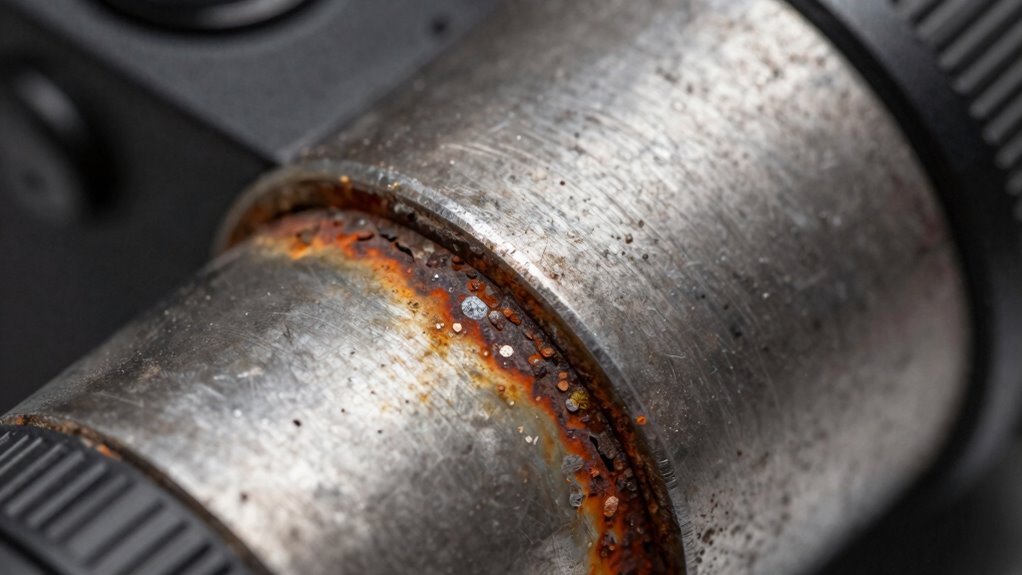
Monitoring and inspecting for galvanic corrosion requires a systematic approach to detect early signs of deterioration. Using corrosion sensors can provide real-time data, alerting you to developing issues before they worsen. Regular inspection techniques are essential to spot visible signs like discoloration or pitting. Here are three effective methods:
- Install corrosion sensors at critical points to monitor electrical activity and potential differences.
- Conduct visual inspections periodically, looking for corrosion spots, rust, or material degradation.
- Use non-destructive testing methods, such as ultrasonic or radiographic testing, to assess internal corrosion without damaging the structure.
Combining sensor data with thorough inspections guarantees early detection, helping you address galvanic corrosion proactively and prevent costly damage.
When Should You Call a Professional for Corrosion Problems?
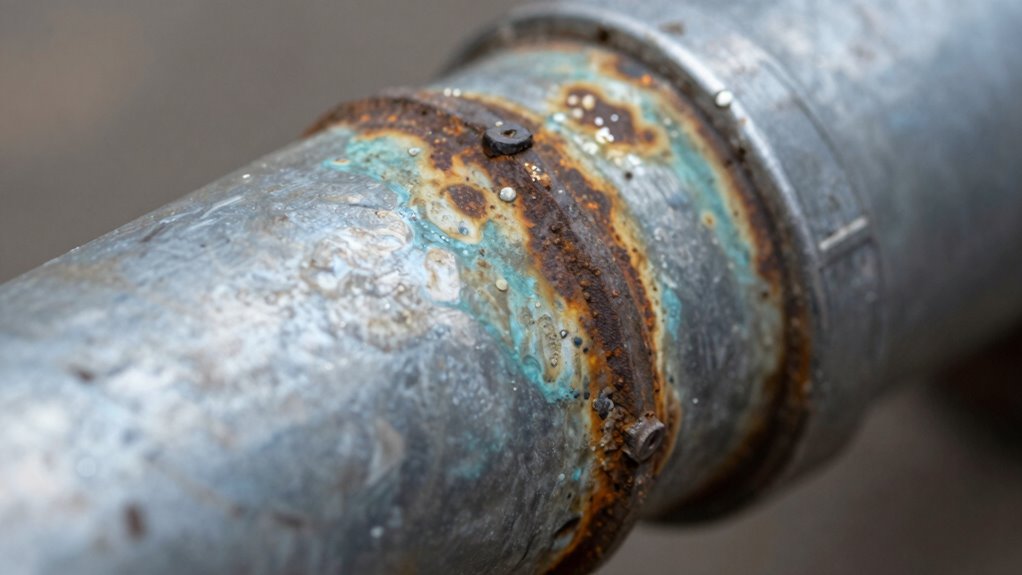
If you notice severe corrosion signs or your system isn’t responding to basic repairs, it’s time to call a professional. Persistent or recurring issues also indicate that expert help is needed to prevent further damage. Don’t wait until the problem worsens—reach out when corrosion becomes complex or hard to manage.
Severe Corrosion Signs
Severe corrosion signs often indicate that professional intervention is necessary to prevent further damage. Ignoring these signs can lead to costly repairs and safety risks. Be cautious of common corrosion myths that downplay the seriousness of visible damage. When you notice these issues, it’s a sign that metal compatibility has been compromised:
- Extensive rust or pitting on metal surfaces, especially if it’s spreading rapidly.
- Unusual discoloration or corrosion around joints and connections.
- Structural weakening or holes forming in the metal.
If you observe these signs, don’t rely on myths that corrosion will just “stop on its own.” Instead, call a professional to assess the damage and recommend proper treatment before it worsens.
Complex System Issues
When corrosion starts affecting complex systems like plumbing, electrical wiring, or structural frameworks, it’s time to call in a professional. These systems involve various materials with different corrosion mechanisms, making issues harder to detect and fix yourself. A professional can assess material compatibility, identifying whether metals are prone to galvanic corrosion or other forms. If corrosion appears in critical components or spreads rapidly, delaying expert intervention can lead to costly damage or failure. Professionals have the tools and expertise to evaluate the extent of corrosion, recommend appropriate repairs, and prevent future problems. Recognizing when corrosion affects multiple interconnected parts or threatens structural integrity is vital—call a specialist before minor issues escalate into major repairs.
Persistent or Recurrent Problems
Persistent corrosion problems that keep resurfacing or worsen over time are clear signs you should seek professional help. Ignoring these issues can lead to costly damage and safety hazards. Be wary of corrosion myths that downplay the importance of proper material compatibility; believing such myths can delay necessary repairs. If corrosion persists despite basic maintenance, it’s time to call in experts. Consider these signs:
- The corrosion appears on different materials or locations, indicating underlying compatibility issues.
- The problem reoccurs shortly after cleaning or repairs, suggesting deeper systemic issues.
- You’re unsure about the cause, especially if previous fixes didn’t hold, and suspect material incompatibility is at play.
A professional can accurately diagnose and address these recurring problems before they escalate.
Frequently Asked Questions
Can Galvanic Corrosion Occur in Non-Metallic Materials?
Galvanic corrosion can’t occur in non-metallic materials directly because it involves electrochemical reactions between metals. However, non-metallic materials can influence the process through dielectric effects, which prevent metal-to-metal contact and reduce galvanic reactions. Sometimes, non-metallic components act as insulators, stopping electron flow. While non-metallic reactions aren’t galvanic corrosion, they can still cause other forms of deterioration, emphasizing the importance of understanding dielectric effects in corrosion prevention.
How Long Does It Typically Take for Galvanic Corrosion to Develop?
Like a ticking clock, galvanic corrosion’s timeline depends on factors like metal contact and electrolyte presence. It can start within days if these conditions are ideal, but often takes weeks or months to cause noticeable damage. The more conductive the electrolyte and the closer the metals, the faster you’ll see signs. Regular inspection helps catch early stages before significant wear occurs, ensuring your materials stay protected longer.
Are There Any Environmental Conditions That Accelerate Galvanic Corrosion?
Environmental factors like moisture, salt, and temperature profoundly accelerate galvanic corrosion. When you expose dissimilar metals to these conditions, corrosion speeds up because the environment enhances electrical conductivity and promotes metal oxidation. For example, salty or humid environments create a conductive path, increasing corrosion acceleration. To prevent this, you should minimize exposure to such environmental factors or apply protective coatings, helping reduce the risk of rapid galvanic corrosion.
What Are the Economic Impacts of Galvanic Corrosion on Infrastructure?
Galvanic corrosion can cause costly repairs and infrastructure failure, impacting your budget and safety. When it occurs, you may face frequent maintenance, unplanned replacements, and reduced lifespan of critical structures. This not only strains resources but also risks project delays and safety hazards. By understanding its economic impacts, you can prioritize preventive measures to mitigate expenses and ensure your infrastructure remains reliable and durable over time.
Can Galvanic Corrosion Be Reversed Once It Has Started?
Think of corrosion repair as a battle to save your materials’ integrity. Once galvanic corrosion has started, reversing it isn’t straightforward; the damage runs deep, like scars on skin. Material restoration involves removing corroded areas and applying protective coatings, but the process can’t fully undo the initial damage. Prevention is key—regular maintenance and proper material pairing help avoid this corrosion’s silent assault, keeping your infrastructure strong and resilient.
Conclusion
To keep your metal structures in top shape, stay vigilant and catch signs of galvanic corrosion early. Regular inspections and proper material choices can save you a headache later. Don’t wait until it’s too late—address issues promptly before they snowball. Remember, an ounce of prevention is worth a pound of cure, so stay proactive and protect your investments before corrosion has a chance to take hold.