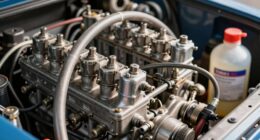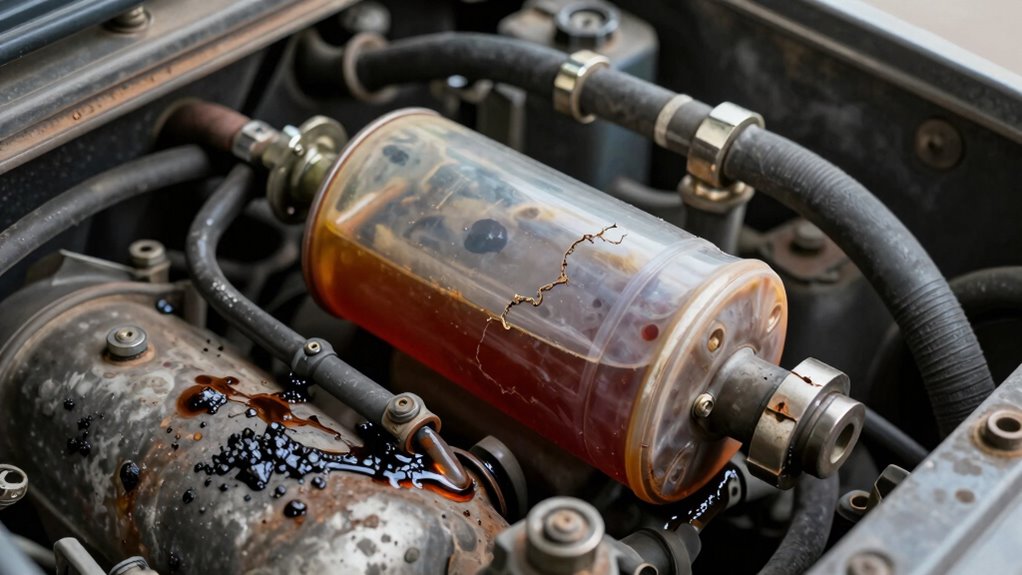
Ethanol fuel problems can cause symptoms like engine hesitation, rough idling, difficulty starting, water contamination, and clogging in fuel filters. To prevent these issues, store fuel properly, use stabilizers, and keep your system well-maintained. Regularly inspect hoses, filters, and tank for corrosion or debris. If problems persist, professional help may be needed. Keep going to learn more about how to identify, prevent, and fix ethanol-related engine troubles effectively.
Key Takeaways
- Symptoms include engine hesitation, rough idling, hard starting, misfires, or stalling caused by water contamination or sediment in ethanol-blended fuels.
- Prevent moisture buildup by storing fuel in sealed containers, using stabilizers, and maintaining full tanks to reduce phase separation.
- Regularly inspect and replace fuel filters, hoses, and lines to prevent clogging and corrosion from ethanol-related deposits.
- Use fuel stabilizers and additives compatible with ethanol blends to minimize corrosion and improve combustion efficiency.
- Seek professional assistance if engine misfires persist, fuel system shows corrosion signs, or troubleshooting does not resolve performance issues.
Orion Motor Tech 5kW Diesel Heater, 12V 24V All in One Diesel Air Heater 1.3 Gal Tank with CO Alarm Auto Shutoff Compatible with Car Truck RV Camper Boat (Not an Engine Part)
Universal Cabin Heating Solution: Designed as an independent thermal accessory for warming the interiors of various vehicles (Sedans,...
As an affiliate, we earn on qualifying purchases.
What Are Ethanol Blended Fuels and Why Are They Used?
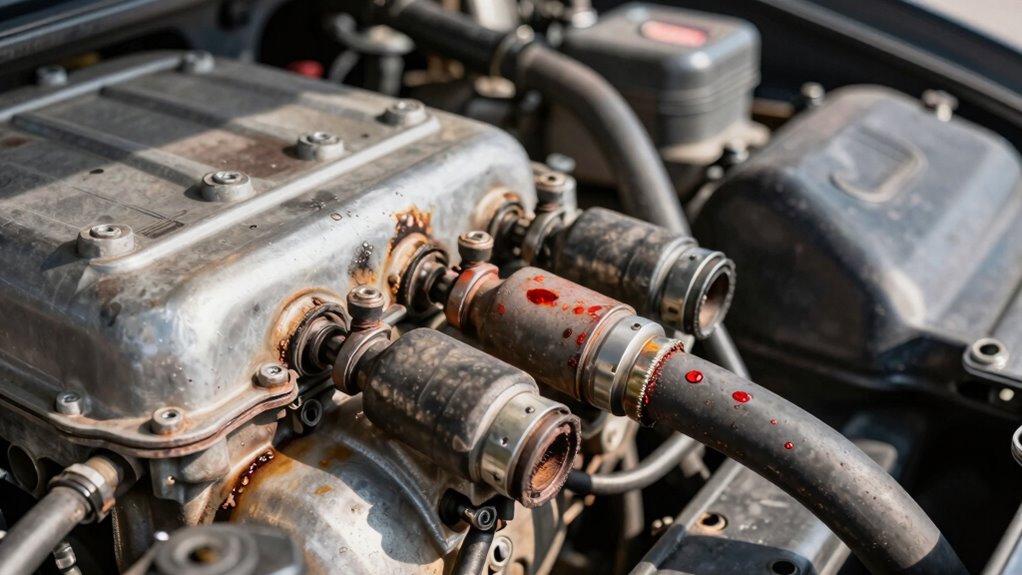
Ethanol blended fuels are gasoline mixes that contain a certain percentage of ethanol, typically derived from plant materials like corn or sugarcane. You use these fuels because they help reduce reliance on pure gasoline and promote renewable energy sources. The process of ethanol production involves fermenting crops to create ethanol, which can be blended with gasoline. This approach offers environmental benefits by lowering greenhouse gas emissions compared to traditional fuels. However, it also raises concerns about land use, water consumption, and energy input during production. By choosing ethanol blends, you’re supporting efforts to decrease fossil fuel dependence and mitigate climate change, but it’s important to take into account the environmental impact of increased crop cultivation and resource use associated with ethanol production.

RYIRSHOH 5KW Diesel Water Heater, 12V Parking Diesel Heater Kit with Remote Control, Heat Conduction Coolant Heating for Trucks Van, Portable Diesel Car Heater for Truck, Fishing, Camper, Boat
Durable Alloy Construction: This diesel water heater uses corrosion-resistant aluminum alloy to prevent rust and extend service life....
As an affiliate, we earn on qualifying purchases.
How Can You Recognize Symptoms of Ethanol Fuel Problems?
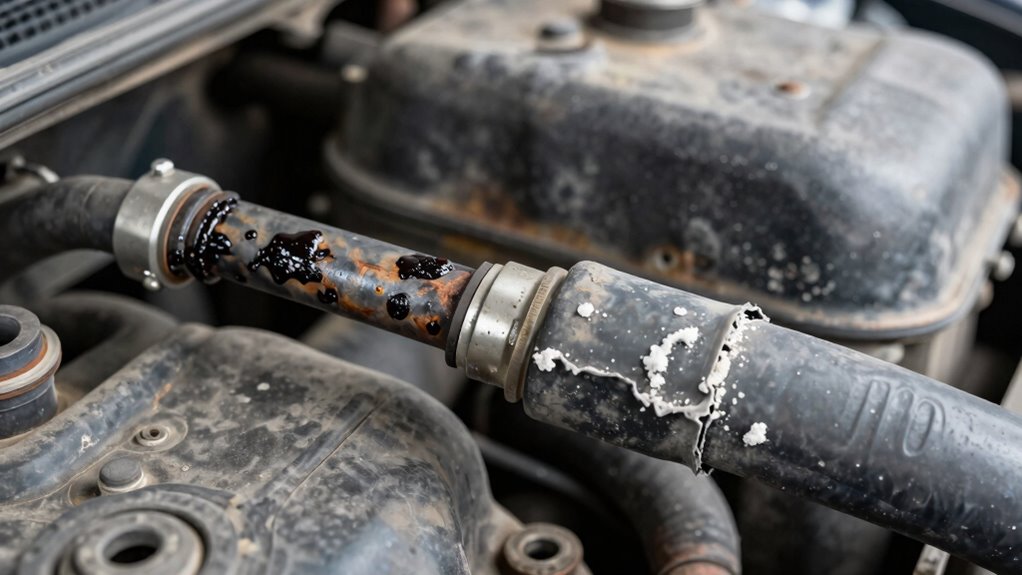
Since ethanol can cause specific issues in your vehicle’s engine and fuel system, it’s important to recognize the symptoms early. Poor fuel quality often leads to engine hesitation, rough idling, or difficulty starting. You might notice water in the fuel, causing sputtering or misfires, especially after storage periods. Changes in storage conditions, such as exposure to moisture or heat, can accelerate ethanol’s effects, leading to corrosion or clogging in fuel lines and filters. If your vehicle stalls unexpectedly or runs unevenly, these are signs that ethanol-related problems could be affecting your fuel system. Regularly checking for signs of water contamination or sediment in your fuel, especially after long storage, helps you catch issues before they cause more serious damage. Additionally, storage conditions can significantly influence how quickly ethanol-related problems develop in your fuel system.

PRIJESSE 5KW 12V Diesel Air Heater, Portable Diesel Parking Heater, Fast Heating with LCD Monitor & Remote Control, for Car RV Boat Tent Caravan SUV Truck Garage (Black)
Specification: Heater power: 5KW,Fuel gasoline: diesel,Car air conditioning type: Heating,Rated voltage: 12V,Working temperature of the heater: -40℃~+50℃,Working temperature...
As an affiliate, we earn on qualifying purchases.
How Does Ethanol Fuel Cause Engine Performance Issues?
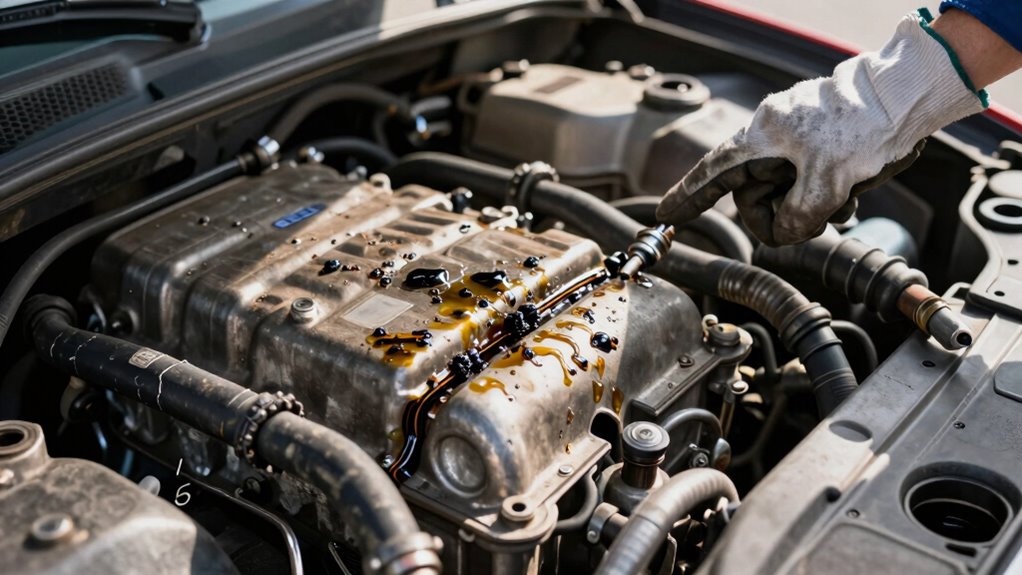
Ethanol fuel can cause engine performance problems by leading to fuel system corrosion and reducing overall efficiency. As ethanol attracts moisture, it can damage parts and clog injectors, making your engine run poorly. These issues result in decreased power and worse fuel economy.
Fuel System Corrosion
Fuel system corrosion occurs when ethanol-containing fuel interacts with metal components within your engine, leading to rust and degradation. This can cause fuel flow problems and engine performance issues. To prevent this, you should focus on proper fuel tank maintenance and corrosion prevention techniques. Here are some tips:
- Regularly inspect your fuel tank for signs of rust or debris.
- Use fuel stabilizers designed for ethanol-blended fuels.
- Keep your fuel tank full to minimize moisture buildup.
- Schedule periodic cleaning to remove corrosion-prone deposits.
- Be aware of Free Floating issues that can exacerbate corrosion and engine wear.
- Additionally, understanding how ethanol fuel interacts with metal can help you implement more effective corrosion prevention methods.
- Recognizing the corrosion process can assist in identifying early signs and taking prompt action. Regular maintenance and awareness of fuel system deterioration are essential for keeping your engine running smoothly, especially since metal corrosion can accelerate with prolonged exposure.
Combustion Inefficiency
Because ethanol has a different chemical makeup than traditional gasoline, it can disrupt the combustion process in your engine. Ethanol burns more quickly and absorbs water, which can lead to incomplete combustion and reduced engine performance. If your engine isn’t properly tuned for ethanol blends, you might notice hesitations, rough idling, or decreased fuel efficiency. To combat these issues, engine tuning becomes essential—adjusting your fuel delivery and timing helps optimize combustion. Additionally, using fuel additives designed for ethanol-blended fuels can improve combustion efficiency, prevent deposits, and protect engine components. Without proper adjustments, ethanol’s properties can cause combustion inefficiency, leading to engine knocking, higher emissions, and potential long-term damage. Staying proactive with tuning and additives keeps your engine running smoothly.

Fiberfly Diesel Heater 5KW, 15L Tank, Diesel Air Heater 12V, Muffler, Diesel Parking Heater with LCD Thermostat Monitor of Plateau Version & Remote Control for RV, Trailer, Boat, Truck and Motor-home
[SPECIFICATIONS] -Heater power: 5KW; Fuel gasoline: Diesel; Rated voltage: 12V; Fuel consumption: 0.2-0.5; Working temperature of the heater:...
As an affiliate, we earn on qualifying purchases.
How to Detect Corrosion and Clogging in Your Fuel System From Ethanol
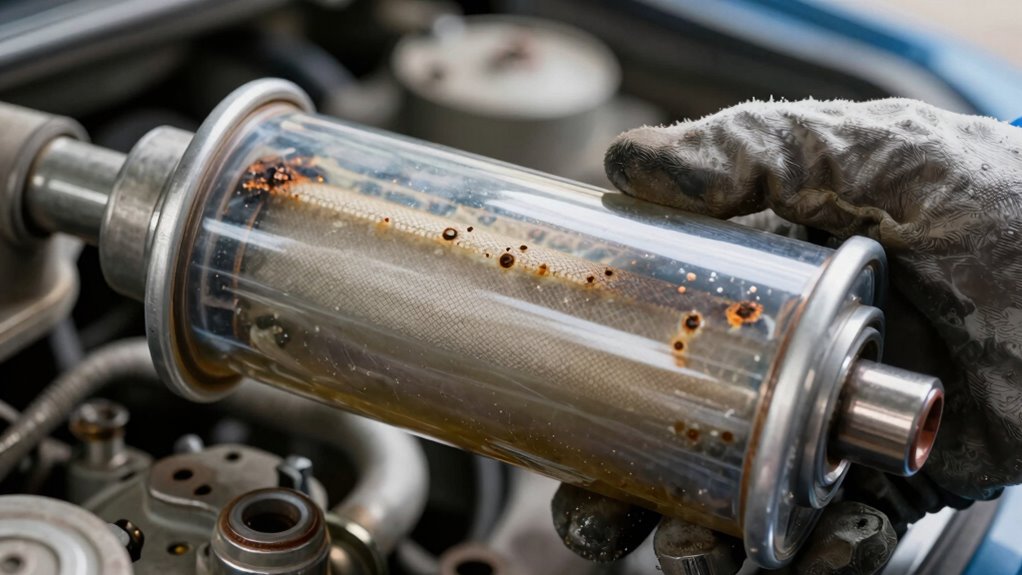
You should watch for signs of internal corrosion, like rust or pitting, which can damage your fuel system. Clogging indicators, such as reduced fuel flow or engine hesitation, also signal trouble. Recognizing these issues early helps prevent major repairs and keeps your engine running smoothly. Additionally, water on water, such as condensation or leaks, can contribute to corrosion and clogging within the fuel system. Monitoring your fuel for contamination and fuel quality can further help identify potential problems before they escalate. Regularly inspecting and maintaining your fuel system is essential to avoid corrosion damage and ensure optimal performance. Being aware of security measures can also help protect your vehicle from theft or vandalism, especially when parked for extended periods. Proper maintenance practices are key to extending the lifespan of your fuel system components.
Signs of Internal Corrosion
How can you tell if your fuel system is suffering from internal corrosion caused by ethanol? Look for these signs indicating compromised fuel tank integrity and potential corrosion issues:
- Rust-colored fuel or sediment settling at the bottom of your tank or filter.
- Unusual fuel odors or persistent fuel leaks.
- Decreased engine performance, such as misfires or stalling.
- Visible corrosion or rust spots on internal tank surfaces or fuel lines.
- Monitoring for Rhythm Failure can also help in diagnosing complex fuel system issues related to ethanol. Additionally, understanding the chemical properties of ethanol can assist in diagnosing and preventing corrosion problems. Regular inspections and maintenance, including the use of corrosion inhibitors, can significantly reduce the risk of internal deterioration caused by ethanol. Being aware of fuel system vulnerabilities enables you to take proactive measures to protect your vehicle’s longevity. Recognizing early corrosion signs and implementing proper prevention strategies can save you costly repairs in the long run. Staying aware of these signs ensures you maintain a healthy fuel system despite ethanol’s challenges.
Identifying Fuel Clogging Indicators
Ethanol in fuel can lead to clogging issues that compromise your engine’s performance, making it essential to recognize the early signs of fuel system blockages. Check your fuel filters regularly; if you notice debris or reduced flow, it’s a sign of obstruction. Look for engine sputtering, hesitation, or difficulty starting, which can indicate fuel flow problems. Using fuel stabilizers helps prevent the formation of deposits that cause the clogs, especially if your vehicle sits unused for extended periods. Inspect the inside of your fuel filter for corrosion or buildup—these are clear indicators of fuel contamination. Additionally, understanding fuel chemistry can help you choose better fuel system components that resist corrosion and clogging. Staying alert to these signs allows you to address issues early, maintaining optimal engine operation and avoiding costly repairs caused by ethanol-related fuel clogging. Regular maintenance and the use of fuel additives designed to combat ethanol-related issues further enhance your fuel system’s longevity. Incorporating fuel system cleaning products periodically can also help prevent the buildup of deposits and ensure smooth fuel flow. Being aware of corrosion resistance in your fuel system parts can further reduce the risk of ethanol-related problems.
What Are the Best Ways to Prevent Ethanol-Related Fuel Problems?
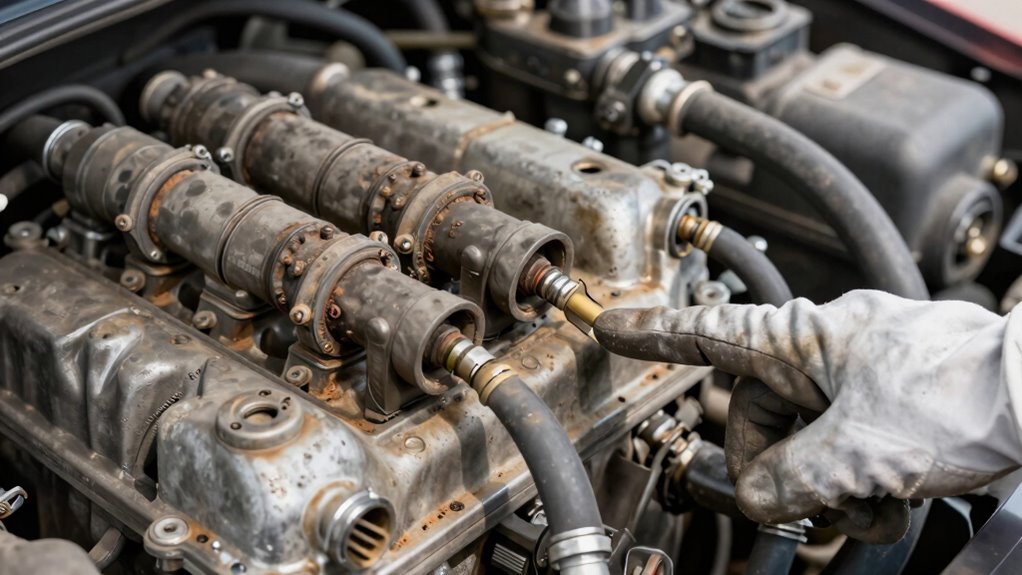
To prevent ethanol-related fuel problems, proper storage and handling are essential. Ensuring fuel stability starts with choosing the right storage techniques. Here are four key steps:
- Use airtight, sealed containers to minimize moisture exposure.
- Store fuel in a cool, dry place away from direct sunlight and heat sources.
- Add fuel stabilizers designed for ethanol-blended fuels to extend shelf life.
- Avoid storing fuel for more than a few months; rotate stock regularly. Additionally, monitoring fuel quality with fuel testing kits can help identify contamination before issues arise. Recognizing symptoms of fuel degradation early allows for prompt action to prevent engine damage. Proper storage techniques also help prevent phase separation, which can lead to poor engine performance and corrosion.
Implementing these practices helps maintain fuel stability, reducing the risk of phase separation and corrosion. Proper storage techniques keep your fuel fresh, preventing ethanol-related issues before they start. Staying proactive guarantees your engine runs smoothly and reduces costly repairs.
How Can You Troubleshoot and Fix Ethanol Fuel Issues?
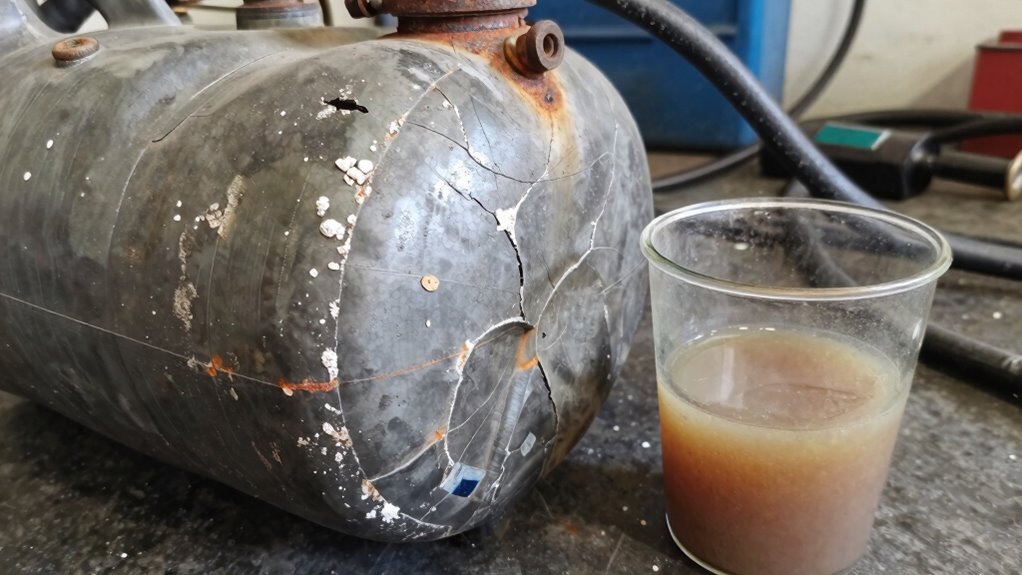
When you notice your engine running rough or experiencing starting issues, it’s often a sign of ethanol-related fuel problems. To troubleshoot, first check for water contamination, which ethanol absorbs easily. Using fuel additive benefits can help break down deposits and improve fuel stability. Consider adding a fuel stabilizer designed for ethanol blends to protect your engine and prevent future issues. Also, verify that you’re using fuel that complies with ethanol blend regulations in your area, as non-compliant fuel can cause problems. If problems persist, inspect your fuel system for clogged filters or degraded hoses, which ethanol can accelerate. Regularly using high-quality fuel and additives helps maintain ideal engine performance and prevents ethanol-related issues from escalating.
Maintenance Tips for Ethanol-Compatible Fuel Systems
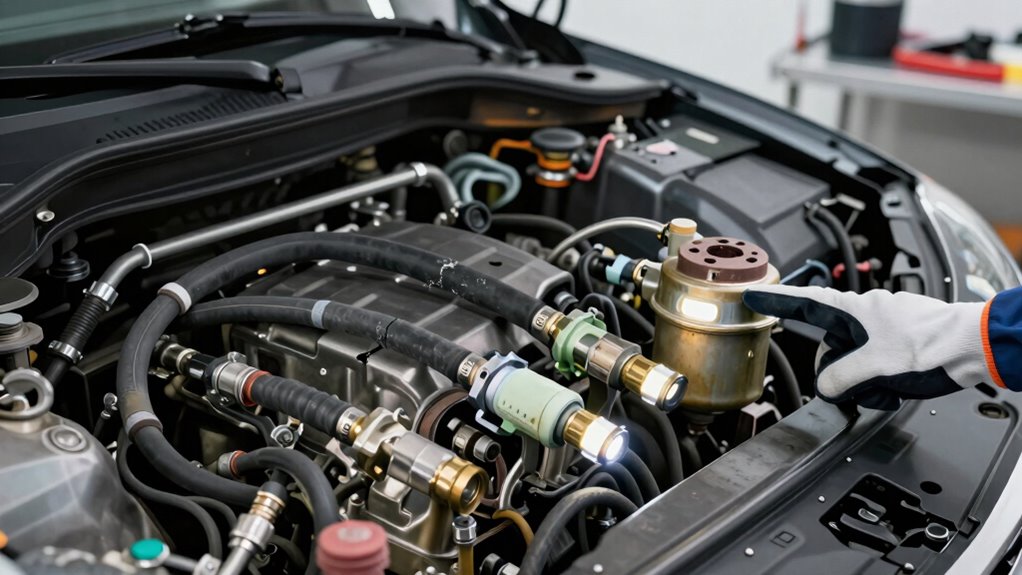
Maintaining an ethanol-compatible fuel system requires regular inspection and timely upkeep to prevent issues. Proper fuel system maintenance guarantees ethanol compatibility and keeps your engine running smoothly. To start, check your fuel lines and hoses for cracks or leaks, replacing them if needed. Second, regularly clean or replace fuel filters to prevent clogs caused by ethanol’s tendency to attract moisture. Third, use fuel additives designed to enhance ethanol compatibility and reduce corrosion. Lastly, keep your fuel tank full to minimize moisture buildup and phase separation. Staying proactive with these maintenance tips helps prevent ethanol-related problems, prolongs your fuel system’s life, and maintains ideal engine performance. Consistent upkeep is essential for avoiding costly repairs and ensuring your vehicle runs reliably on ethanol blends.
When Should You Seek Professional Help for Ethanol Fuel Troubles?
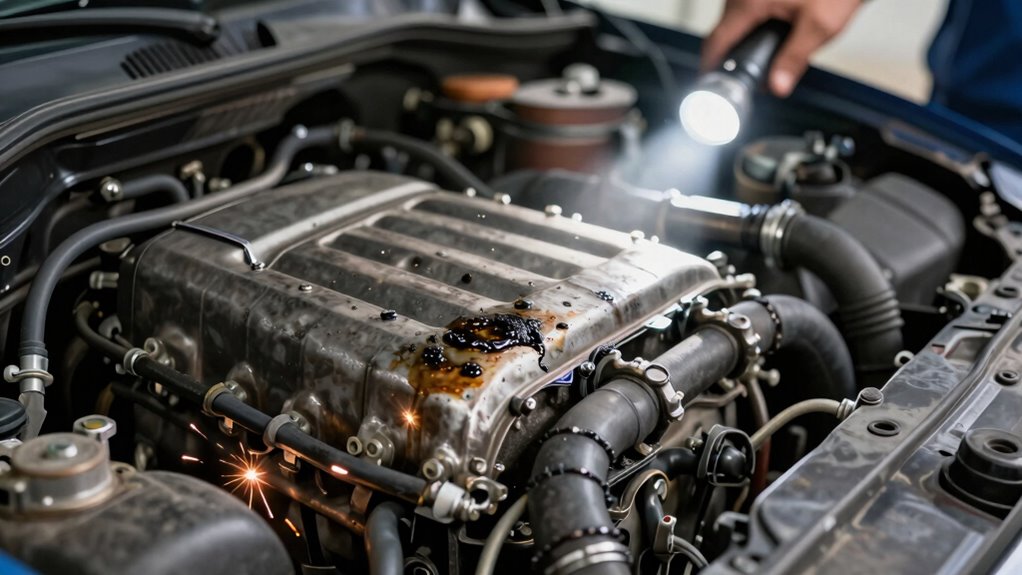
While regular maintenance can address many ethanol fuel issues, certain signs indicate it’s time to seek professional help. If you notice persistent engine misfires, rough idling, or difficulty starting despite proper fuel storage and routine checks, it’s a clear sign. Additionally, if fuel system components show corrosion or clogging, professional engine tuning can prevent further damage. Ignoring these symptoms may lead to costly repairs or reduced fuel efficiency.
| Symptom | Possible Cause | Recommended Action |
|---|---|---|
| Engine misfiring | Fuel contamination or clogged injectors | Professional inspection and tuning |
| Difficulty starting | Fuel line or pump issues | Expert diagnosis and repair |
| Corrosion in fuel system | Poor fuel storage practices | Professional cleaning and assessment |
| Rough idling | Tuning or fuel delivery problems | Engine tuning and system evaluation |
Choosing Ethanol-Friendly Fuels and Additives for Your Car

Selecting the right ethanol-friendly fuels and additives is essential to keep your engine running smoothly and avoid potential ethanol-related issues. To do this effectively, consider these key points:
- Check fuel additive compatibility to ensure additives won’t harm your engine or interfere with fuel performance.
- Verify that the fuel meets ethanol content limits, aligning with ethanol sales regulations in your area.
- Choose fuels labeled as ethanol-blend compatible, especially if your vehicle isn’t designed for high ethanol levels.
- Use reputable brands that adhere to regulations and provide clear information about ethanol content and additives.
Frequently Asked Questions
Can Ethanol Fuel Damage My Vehicle’s Warranty?
Ethanol fuel can impact your vehicle’s warranty coverage if it causes damage, but it depends on your manufacturer’s policies. Some manufacturers specify that using ethanol blends beyond recommended levels might void parts of your warranty. You should always check your owner’s manual and manufacturer policies before using higher ethanol content fuels. If damage occurs due to ethanol, you might need to prove it wasn’t your fault to maintain warranty coverage.
Are There Specific Brands of Ethanol Fuel Better for My Engine?
Wondering if some ethanol brands are better for your engine? Yes, they can be. You should look for brands with a strong reputation for quality fuel additive formulations. These brands prioritize cleaner combustion and minimize corrosion risks. While all ethanol fuels contain some level of additives, choosing trusted brands guarantees you get better protection and performance, reducing potential engine problems caused by poor-quality ethanol. Always check labels and stick with reputable fuel providers.
How Long Can Ethanol-Blended Fuel Safely Sit in My Tank?
You can typically store ethanol-blended fuel in your tank for about 1 to 3 months without major issues. To maximize fuel stability, add a fuel stabilizer if you plan on storing it longer. Keep the tank full to minimize moisture buildup and store your vehicle in a cool, dry place. Regularly check the fuel for signs of degradation, like a bad smell or cloudiness, before using it.
Does Ethanol Fuel Affect Emission Control Systems?
Ethanol fuel can affect your emission system if it’s not ethanol-compatible. It may cause corrosion or clogging in certain components, leading to emissions issues. To prevent this, make certain your vehicle’s emission system is compatible with ethanol-blended fuels. Regular maintenance and using fuel with the correct ethanol percentage help protect your emission control system, keeping it functioning properly and reducing environmental impact.
Are There Eco-Friendly Alternatives to Ethanol-Blended Fuels?
Imagine a cleaner, greener future—are there eco-friendly alternatives to ethanol-blended fuels? Absolutely. You can explore biodegradable solvents and harness renewable energy sources like solar or wind power to produce sustainable fuels. These options reduce environmental impact, lower emissions, and help protect our planet. By switching to these alternatives, you actively contribute to a healthier Earth, steering away from traditional ethanol blends and toward a more sustainable tomorrow.
Conclusion
Just like a steady sailor trusts their compass, staying vigilant with ethanol fuel guarantees smooth sailing. Recognize the signs early, prevent corrosion, and choose the right additives to keep your engine running strong. Regular maintenance and timely professional help are your anchors when issues arise. By staying proactive, you’ll navigate the ethanol waters with confidence, avoiding storms and steering toward reliable performance—because in this journey, prevention truly is your best compass.