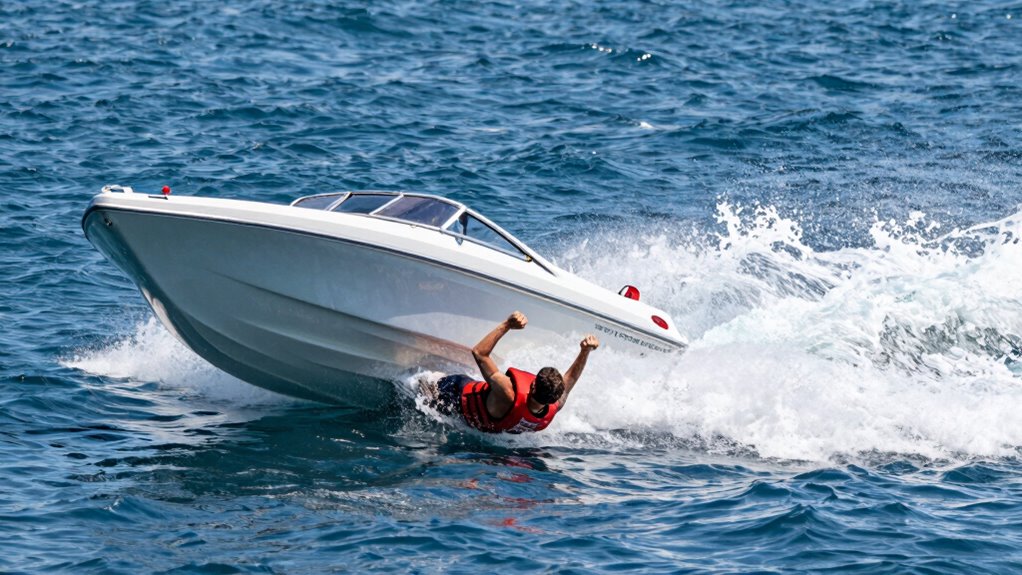

When a man overboard occurs under power, knowing proper turn patterns like the Williamson and Scharnow turns is vital for a quick rescue. You should initiate a sharp, controlled turn in the shortest time possible, adjusting throttle to maintain stability. These maneuvers help you close the gap quickly and prevent drifting. Each pattern suits different situations, and avoiding common mistakes is essential. Keep practicing these techniques to become confident, as mastering them increases your chances of a successful rescue.

Get sports gear delivered free with Prime
- Fast, free delivery on millions of items
- Prime Video, Amazon Music and more included
- Member-only deals all year
Key Takeaways
- Power turn techniques like Williamson and Scharnow enable rapid, controlled course changes during MOB recovery under power.
- Initiate the turn promptly after MOB sighting, maintaining steady throttle to control speed and stability.
- Use sharp or wide turns depending on vessel size, environment, and urgency, balancing speed with safety.
- Manage throttle smoothly during the turn to prevent overcorrecting and maintain optimal maneuverability.
- Clear communication and crew coordination are essential for executing effective turn patterns and successful MOB rescue.
man overboard recovery boat maneuvering
As an affiliate, we earn on qualifying purchases.
As an affiliate, we earn on qualifying purchases.
Why Proper Turn Patterns Are Critical in Man Overboard Recovery
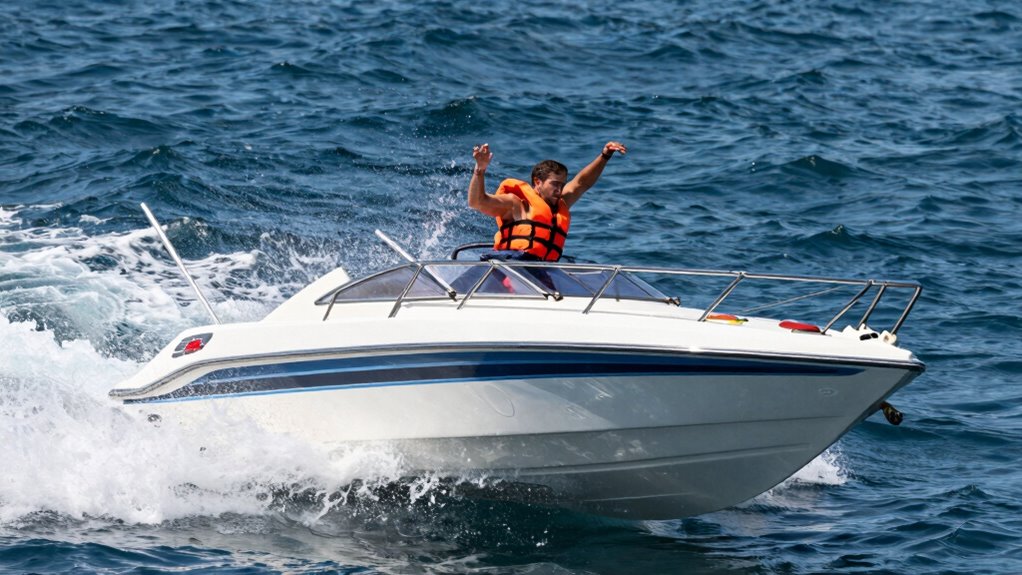
When someone falls overboard, executing the correct turn pattern is crucial for a quick and effective rescue. Proper boat handling ensures you can circle back efficiently without losing sight of the person in the water. Emergency procedures rely heavily on your ability to perform these turn patterns accurately, minimizing the time it takes to reach the victim. A well-executed turn maintains control, prevents additional hazards, and helps you stay prepared for any unexpected situations. By understanding the proper sequence and maintaining steady boat handling, you can quickly position your vessel for a safe recovery. Clear, practiced turn patterns are a fundamental part of your safety protocol, ensuring swift action when every second counts. Additionally, practicing these procedures regularly helps develop precise boat maneuvering skills crucial in emergency scenarios. Developing attention to detail during drills enhances your ability to execute these maneuvers flawlessly under pressure. Regular training also helps reinforce the importance of consistent control and stability during critical maneuvers, which is vital for successful man overboard recoveries. Incorporating emergency response skills into your routine ensures a more confident and effective recovery process. Moreover, understanding safe turn techniques can significantly improve your overall response time and safety during rescue operations.
As an affiliate, we earn on qualifying purchases.
When and Why to Use the Williamson Turn Under Power
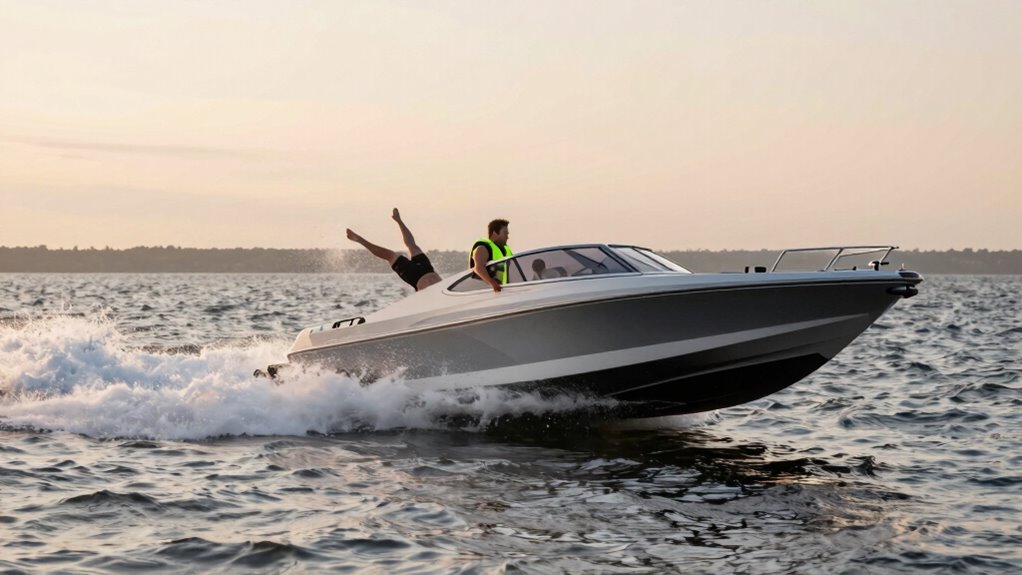
Knowing when to use the Williamson Turn under power is vital for effective man overboard recovery. You need to understand situations that demand this maneuver, compare power versus manual turns, and master the timing for quick execution. Getting these points right ensures a swift, safe response to an overboard emergency.
Situations Requiring Williamson Turn
Have you ever needed to quickly change course after spotting a man overboard while under power? The Williamson Turn is essential when swift action is necessary, especially if communication protocols are disrupted or if boat maintenance issues delay manual turns. Use it when a person falls overboard in open water or if visibility is limited. It’s ideal for situations where you must retrace your path efficiently without losing sight of the victim. Properly executing the turn minimizes drifting and guarantees a faster rescue. Additionally, understanding the turn patterns can improve response times and safety during rescue operations, especially when maneuvering under power is required to maintain control and safety. Mastery of the Williamson Turn can also be crucial in emergency response scenarios, ensuring swift and effective action. Familiarity with proper execution techniques can further enhance the effectiveness of this maneuver. Being aware of effective turn strategies can help in optimizing rescue efforts and minimizing risks during high-pressure situations.
Power vs. Manual Turn
Under power, executing a Williamson Turn offers a faster and more controlled way to change course after spotting a man overboard. The engine torque provides immediate power, allowing you to maintain better control over sailboat stability during the maneuver. Unlike manual turns, which rely on steering and sail trim, the power turn leverages engine power to pivot the vessel efficiently. This approach minimizes the risk of instability, especially in challenging conditions or high winds, by keeping the boat steady and on course. Using power ensures you can quickly execute the turn with precision, reducing the time the person overboard remains in the water. It’s the preferred method when speed and control are critical for safety and effective recovery. Additionally, understanding the best gear and knife options can aid in swift and safe rescue operations. Employing power-assisted maneuvers can further enhance safety and efficiency during rescue efforts, especially when combined with proper safety protocols to ensure quick and effective recovery. Incorporating marine communication systems can also facilitate coordination during rescue, ensuring everyone involved remains informed. Moreover, practicing these rescue techniques regularly can improve response times and confidence during real emergencies.
Timing and Execution
Timing is critical when deciding to use the Williamson Turn under power, especially in an emergency. You need to quickly assess the situation, considering your navigation techniques and the boat’s position relative to the overboard crew. You should also be aware of your navigation data to make informed decisions. Initiate communication protocols immediately, alerting crew members and nearby vessels of your intentions. The turn should be executed promptly once the person is visualized, ensuring you stay on course and avoid confusion. Proper timing allows you to minimize drift and reduce the risk of collision or losing sight of the person. Clear communication during this process keeps everyone coordinated. By understanding when to execute the turn and how to manage navigation and communication, you increase the chances of a successful recovery. Recognizing cybersecurity tactics and potential threats can help prevent critical failures during emergency responses. Precision timing underpins effective execution in man-overboard scenarios, making situational awareness essential for safety. Additionally, maintaining up-to-date navigation data ensures your decisions are based on the most accurate information available. Being familiar with support breakfast options can also help ensure your crew remains energized and alert during critical operations.
marine emergency rescue equipment
As an affiliate, we earn on qualifying purchases.
As an affiliate, we earn on qualifying purchases.
How to Perform the Power Williamson Turn Step-by-Step
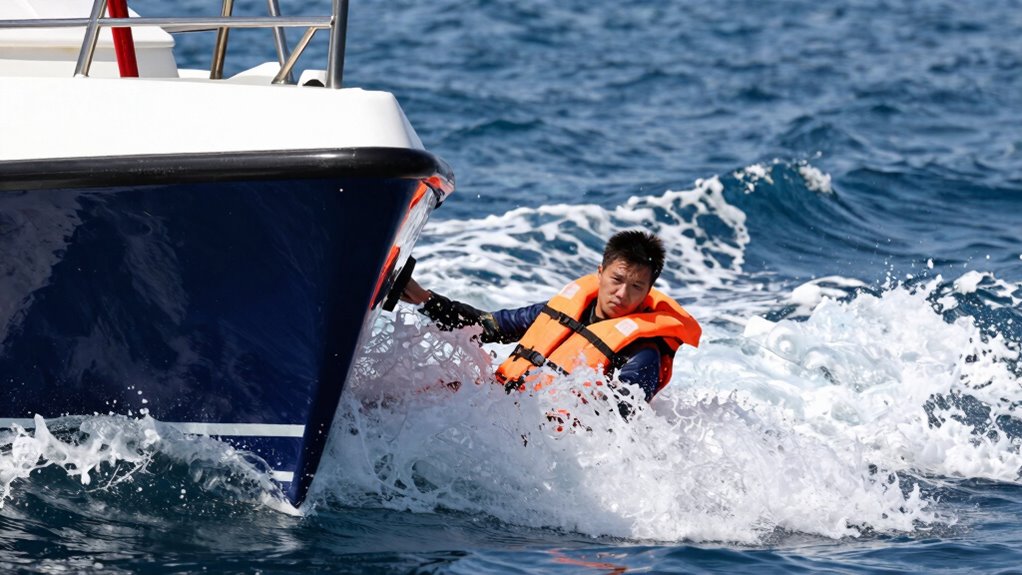
When a man overboard situation occurs while under power, performing the Power Williamson Turn quickly and accurately can bring the vessel back to the person in the water. First, alert your crew and establish clear communication. Ensure navigation accuracy by marking the MOB location and preparing to turn. Initiate a sharp turn to port or starboard, depending on the situation. Maintain steady throttle to control speed and avoid oversteering. As you complete the turn, verify your course and prepare to reverse engine if needed. This step ensures a swift, coordinated recovery. Proper execution relies on smooth crew communication and precise navigation. Additionally, understanding the differences in nail biology between males and females can help in personal hygiene and health maintenance, although it is not directly related to MOB recovery. It is also crucial to consider website performance metrics to monitor the effectiveness of your MOB procedures and improve response times. Regularly reviewing navigation techniques enhances your ability to perform these turns efficiently. Below is a helpful guide:
| Step | Action | Key Focus |
|---|---|---|
| 1 | Alert crew, confirm MOB location | Crew communication |
| 2 | Initiate sharp turn away from MOB location | Navigation accuracy |
| 3 | Steer through 180° turn, maintain steady throttle | Control and coordination |
| 4 | Confirm course and prepare to reverse engine | Precise navigation |
| 5 | Resume search pattern or recovery approach | Effective recovery |
power boat man overboard turn guide
As an affiliate, we earn on qualifying purchases.
As an affiliate, we earn on qualifying purchases.
Executing the Power Scharnow Turn for Fast Man Overboard Recovery
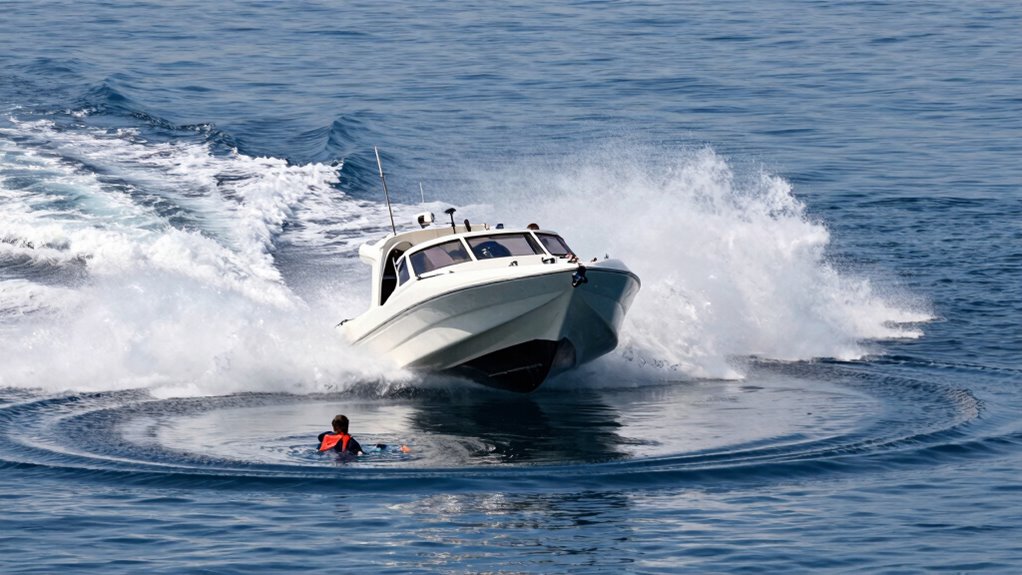
To execute the Power Scharnow Turn effectively, you need to start by initiating the turn smoothly and promptly. Managing your speed and power during the maneuver is vital to close the gap quickly. Proper control guarantees a swift rescue without risking loss of control.
Initiating the Turn Correctly
Initiating the turn correctly is essential for a swift and effective man overboard recovery using the Power Scharnow turn. Your first move sets the tone for a successful rescue, so act decisively. Remember to maintain proper naval etiquette by clearly signaling your intentions and informing crew members immediately. Effective crew communication is crucial; ensure everyone knows their roles to prevent confusion. Here are three key steps:
- Confirm the MOB is visible and communicate immediately with the crew.
- Signal your intent loudly and clearly, giving the order to begin the turn.
- Steer smoothly with controlled power, avoiding sudden movements that could endanger the MOB or crew.
Managing Speed and Power
How you manage your speed and power during the Power Scharnow turn can make all the difference in a swift man overboard rescue. Precise speed control is essential to execute the turn efficiently, so you should reduce throttle gradually before initiating the maneuver. This helps prevent sudden changes that could cause instability. During the turn, adjust throttle management to maintain a steady, controlled pace, avoiding excessive speed that might make recovery difficult. As you complete the turn, smoothly increase throttle to bring the boat back to cruising speed without overshooting. Proper throttle management ensures a quick, controlled turn, minimizes water resistance, and keeps the boat stable. Mastering these techniques allows you to execute the Power Scharnow turn confidently under pressure, speeding up the rescue process.
Which Power Turn Pattern Is Best for Your Situation?
Choosing the right power turn pattern depends on your specific situation and what you need to achieve. Your decision impacts boat handling and steering techniques, so pick wisely. For example:
- Sharp, quick turns are ideal when you need to change direction rapidly, such as during man overboard recoveries in tight spaces.
- Wide, gradual turns help maintain stability and control at higher speeds or when navigating crowded areas.
- Figure-eight turns work well for clearing a person overboard without losing sight, allowing you to circle back efficiently.
Assess your boat’s size, speed, and environment to select the best pattern. Each turn pattern offers advantages tailored to different scenarios, helping you execute safe, effective maneuvers.
Common Mistakes to Avoid During Power Man Overboard Maneuvers
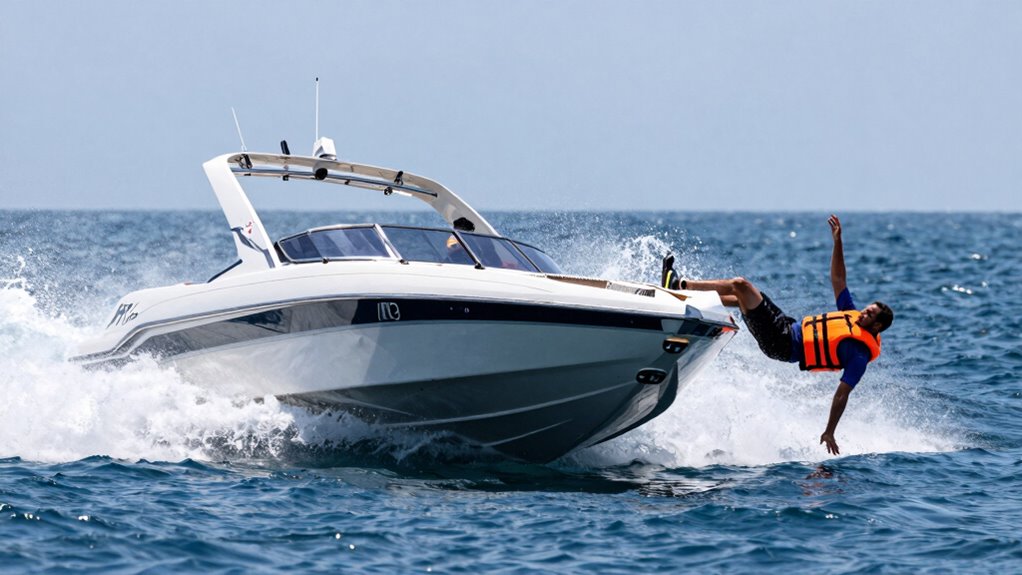
One of the most common mistakes during power man overboard maneuvers is overcorrecting or making abrupt steering changes, which can cause the boat to lose stability or drift further away from the person in the water. To avoid this, stay calm and make smooth, deliberate turns. Rushing the maneuver can also lead to confusion, so plan your actions carefully. Be sure your marine electronics are functioning correctly; they can provide critical information, but don’t rely solely on them. Additionally, avoid using complicated fishing knots or rigging that could interfere with quick adjustments during the rescue. Keeping your focus on steady control and clear communication will help prevent mistakes and improve your chances of a successful recovery.
Practicing Power Turn Maneuvers Safely and Effectively
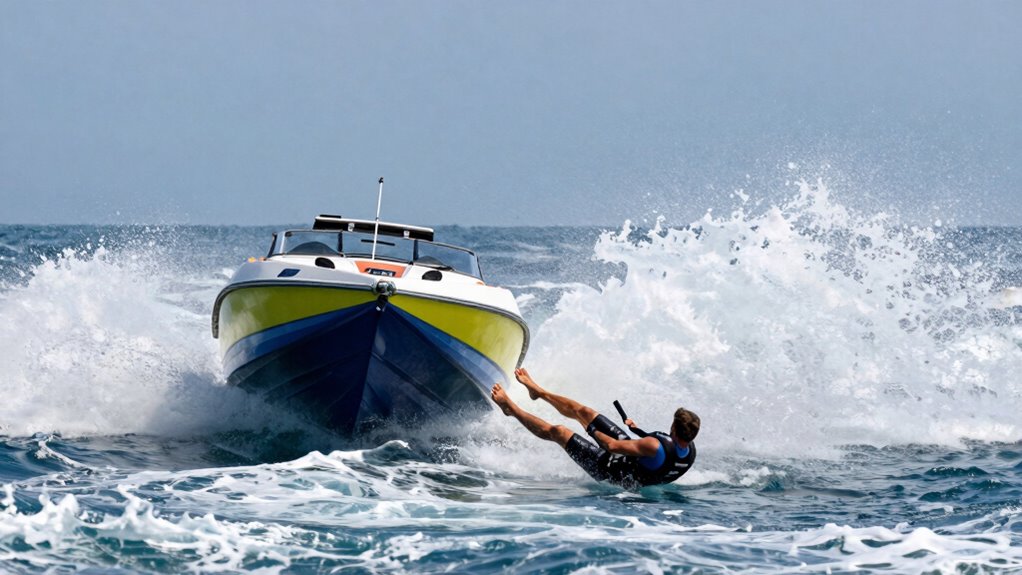
Practicing power turn maneuvers in a controlled environment builds confidence and helps you respond quickly during real emergencies. To do this safely, focus on proper boat handling and follow safety protocols. Start in calm waters with limited traffic to minimize risks.
Here are three tips:
- Maintain awareness of your surroundings and keep a lookout for other vessels or obstacles.
- Use smooth, deliberate movements to avoid sudden shifts that could compromise stability.
- Communicate clearly with crew members, ensuring everyone understands safety procedures and their roles.
Practicing regularly under safe conditions sharpens your skills, making your boat handling more precise during critical moments. Always prioritize safety protocols to prevent accidents and ensure everyone stays safe during practice.
Troubleshooting and Adjusting Your Power Turn Strategies in Real Scenarios
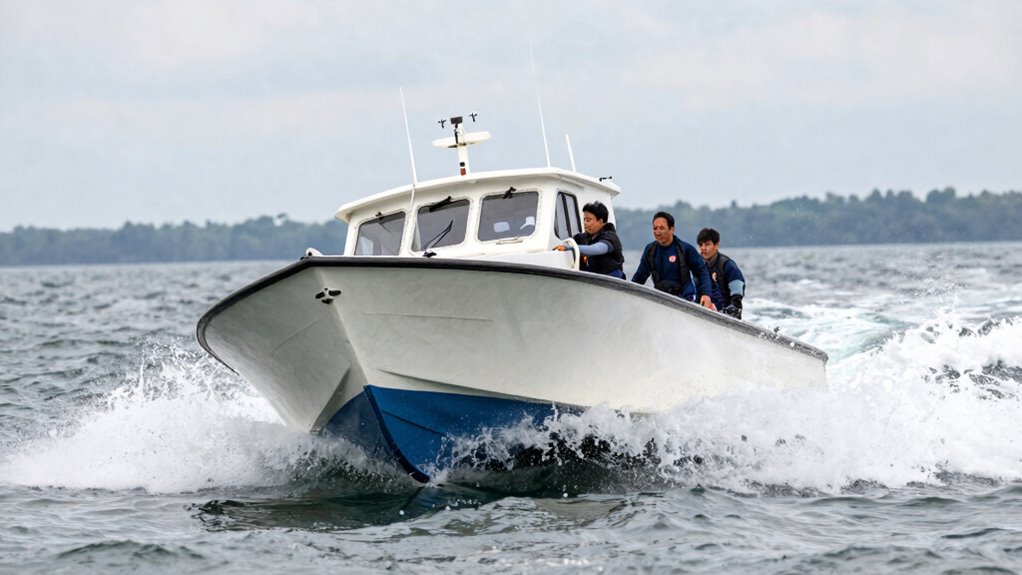
When you’re executing a power turn in a real scenario, unexpected variables like sudden obstacles, changing water conditions, or other vessels can disrupt your plan. To troubleshoot effectively, consult your navigation charts to identify safe alternative routes and obstacle locations. Adjust your strategy by slowing down if water conditions become rough or visibility drops, ensuring better control. Keep weather considerations in mind—high winds or storms can alter water movement, requiring you to modify your turn radius or timing. If you encounter unexpected resistance or drifting, don’t hesitate to reduce speed or pause until conditions stabilize. Constantly reassess your environment, stay alert, and adapt your maneuvers accordingly to maintain safety and control during power turns in dynamic situations.
Frequently Asked Questions
How Do Weather Conditions Affect Power Turn Effectiveness?
Weather conditions markedly impact your power turn effectiveness, especially the weather impact like wind influence. Wind can push your boat off course, making it harder to execute precise turns. Gusts or strong breezes may slow down your response or cause instability during the maneuver. You need to anticipate these factors, adjusting your speed and steering accordingly, so the weather impact doesn’t compromise your ability to perform a quick, controlled turn.
What Safety Precautions Should Be Taken During High-Speed Turns?
Did you know that high-speed turns can reduce boat stability by up to 30%? During these maneuvers, always make certain you’re wearing a life jacket and maintain a firm grip on the wheel. Keep emergency procedures in mind, like quickly stopping the turn if stability feels compromised. Avoid sharp turns in rough weather, and communicate clearly with your crew to prevent accidents and maintain control.
Can These Turns Be Performed With Small Boats?
Yes, you can perform these turns with small boats, but keep in mind that boat size influences maneuver complexity. Smaller boats are more agile and respond quickly, making tight turns easier. However, they can be more unstable during high-speed maneuvers, so you need to be cautious. Always practice in safe conditions and ensure everyone on board understands the proper techniques to avoid accidents during complex turns.
How Do You Determine the Best Turn Pattern for Different Situations?
You determine the best turn pattern by evaluating your boat handling skills and the specific situation. Consider maneuver techniques like the Williamson or the Anderson turn, which suit different scenarios. Factors such as boat size, wind, current, and the man’s location overboard influence your choice. Practice these maneuvers regularly, so you can quickly decide and execute the most effective turn pattern to ensure safety and control during man overboard recoveries.
Are There Any Legal Considerations for Executing Power Turns?
Think of executing power turns like driving a car—you need to follow the rules to stay safe. Legally, you must adhere to local maritime regulations to avoid liability considerations, especially in crowded or restricted waters. Ignoring these can lead to fines or lawsuits if an accident occurs. Always guarantee your turn patterns are safe and legal, respecting navigational rules to protect yourself and others on the water.
Conclusion
Mastering power turn patterns is essential for quick, effective man overboard recovery. Studies show that quick response times can increase survival chances by up to 70%. By practicing and understanding the right turns for each situation, you’ll be better prepared to act swiftly and confidently. Remember, proper technique saves lives—so stay sharp, keep practicing, and always prioritize safety on the water. Your preparedness makes all the difference in critical moments.
Fall Picks
fall essentials
As an affiliate, we earn on qualifying purchases.